
Plants
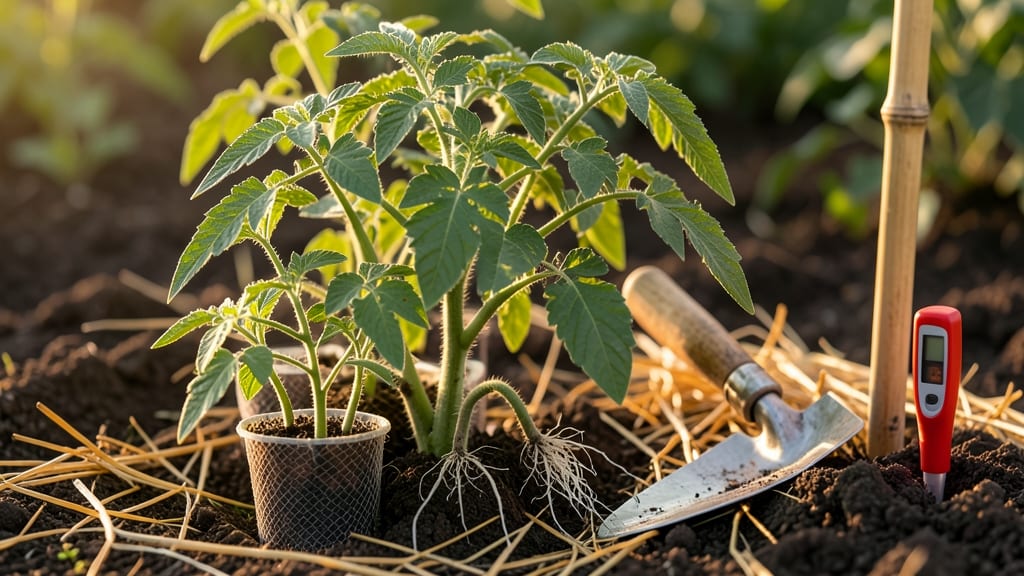
Planting tomatoes in Florida might seem simple—after all, you can grow them year-round—but timing is everything. Skip the wrong window, and you’ll deal with blight, stunted growth, or even wasted effort. The key? Understanding your region’s microclimate, whether you’re in frost-prone North Florida or the balmy South.
Most gardeners make three critical mistakes that sabotage their harvests, like planting too early in heat or ignoring soil prep for Florida’s sandy soil. I’ve seen firsthand how a few adjustments—like adjusting for USDA Zones 9a-11—can mean the difference between a bumper crop and a disappointment.
In this guide, I’ll break down the exact planting windows for your area, plus how to extend your harvest season with succession planting. Whether you’re a seasoned gardener or a beginner, these tips will help you avoid common pitfalls and grow healthier, more productive 🍅 plants all year.
Ready to stop guessing and start growing? Let’s dive into the strategies that work for Florida’s unique climate.
Florida tomato planting calendar by region: exact dates to avoid frost & heat stress
Florida’s frost-free growing season lets you plant tomatoes almost year-round—but timing matters to avoid heat stress or early blight. North Florida’s cooler winters and South Florida’s intense summer sun create two very different planting windows.
Let’s break down the ideal months for each region, including soil temperature and heat tolerance thresholds.
For North Florida (Zones 8a-9a), like Jacksonville or Gainesville, your last frost date is typically around January 20. This means you can start planting transplants in late February and seeds in March.
However, summer heat (June-August) can cause sunscald or blossom drop, so avoid planting seeds after May 15.
🌱 Florida Tomato Planting Summary
| Region | Best Planting Window | Soil Temp | Heat Risk | Varieties to Try |
|---|---|---|---|---|
| North Florida (Zones 8a-9a) | Feb 20 - May 15 (transplants) | 60°F+ | High (June-August) | 'Celebrity', 'Heatmaster' |
| Central Florida (Zones 9a-9b) | Jan 15 - June 1 (transplants) | 65°F+ | Moderate (July-August) | 'Solar Fire', 'Roma' |
| South Florida (Zones 10a-11) | Sept 1 - March 31 (year-round) | 70°F+ | Low (use shade cloth) | 'Sungold', 'Tiny Tim' |
In Central Florida (Zones 9a-9b), like Orlando or Tampa, you can plant transplants as early as January 15 and continue through June 1. This extended window lets you enjoy spring and fall harvests while avoiding the worst summer heat.
For South Florida (Zones 10a-11), like Miami or Fort Lauderdale, tomatoes thrive year-round—but summer planting (June-August) requires shade cloth to prevent sunscald.
Pro tip: Use a soil thermometer to confirm temperatures before planting. Tomatoes need 60°F+ soil for roots to establish properly. In North Florida, wait until March 15 for seeds and April 1 for transplants to align with warmer soil temps.
For container gardening, adjust timing by 2-3 weeks earlier in spring and later in fall. Containers heat up faster, so monitor soil temps closely. If you’re growing heirloom varieties, like 'Brandywine' or 'Cherokee Purple,' plant them in fall (September-October) to avoid summer heat stress.
Always check the University of Florida IFAS Extension for your specific county’s frost dates, as microclimates (like coastal areas) can shift planting windows by weeks. For example, Apalachicola (Northwest Florida) may have later frost dates than Panama City.
Now that you’ve got your planting calendar, let’s tackle the three biggest mistakes Florida gardeners make—and how to avoid them. Spoiler: Skipping soil prep is a game-changer for sandy Florida soil!
3 Critical mistakes Florida gardeners make (and how to fix them)
Planting tomatoes in Florida isn’t just about grabbing seeds and sticking them in the ground—it’s about avoiding costly mistakes that ruin harvests. I’ve seen gardeners in North Florida lose entire crops to early heat, while others in South Florida struggle with fungal diseases from overwatering.
The top three errors? Planting too early, ignoring soil prep, and skipping succession planting.
First, many Floridians plant tomatoes too early in spring when soil temperatures are still cool. Tomatoes thrive in 60°F+ soil, but early March in USDA Zone 9a can still be chilly.
Wait until late March or early April for North/Central Florida or plant year-round in South Florida—but watch for summer heat stress after June.
⚠️ Planting Too Early = Blight Risk
Tomatoes planted in cool soil (below 55°F) suffer from damping off or stunted growth. Use a soil thermometer to check—wait until temps hit 60°F+ consistently.
🌱 Fix: Start seeds indoors 6-8 weeks before last frost (even in Florida!) or buy transplants in late March.
Second, Florida’s sandy soil drains too fast, leaching nutrients. Many gardeners skip amending it with compost or aged manure, leading to weak plants. Test your soil’s pH (6.0–6.8 ideal)—Florida’s native soil often tests acidic. Add lime if needed, but avoid overdoing it; tomatoes hate alkaline soil.
Third, most Floridians plant once and hope for a harvest. Without succession planting, you’ll get a glut in summer and nothing in fall. Stagger plantings every 2–3 weeks from March to September.
For example, plant cherry tomatoes in May for a July harvest, then beefsteaks in July for fall production.
Pro tip: Use shade cloth (30–50%) in summer to protect plants from sunscald and heat stress. This simple fix can double your yield in Florida’s brutal July heat.
Ready to fix these mistakes? Start with a soil test, adjust your planting schedule, and watch your tomato game transform this season! 🌱