
How To
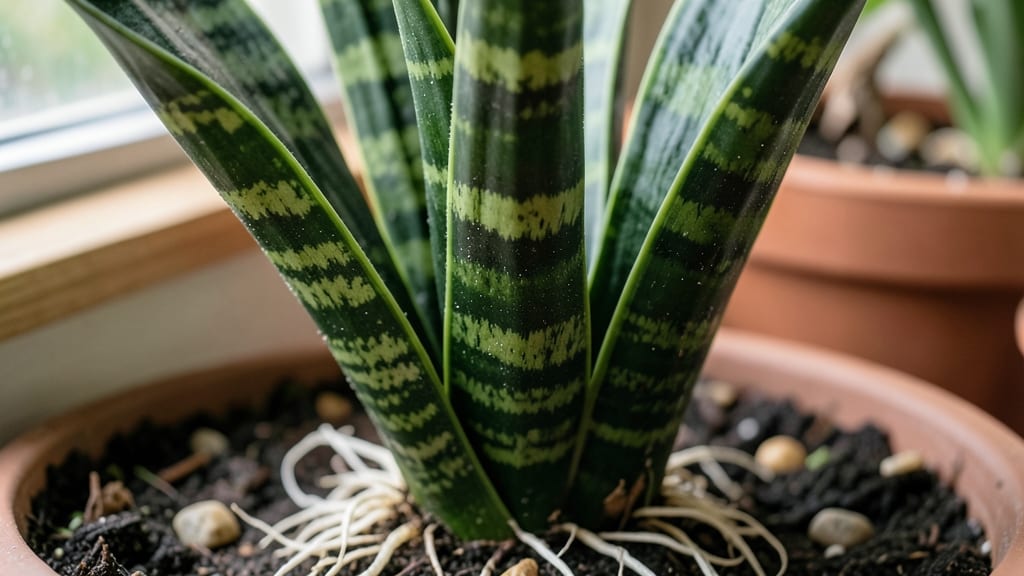
If you’ve ever glanced at your snake plant and wondered how tall they grow, you’re not alone. These hardy plants are famous for their slow-but-steady growth, but their mature height can still surprise even experienced plant parents.
Some varieties reach 4 feet indoors, while others stay compact—so what determines the difference?
The answer lies in the variety, care routine, and a little patience. Whether you’re growing the towering 'Futura Superba' or the petite 'Hahnii' (aka "Bird’s Nest"), understanding their growth stages helps you set realistic expectations.
From 1-foot seedlings to mature giants, we’ll break down exactly how tall your snake plant should grow—and how to nurture it to reach its full potential.
Growth isn’t just about time—light, pot size, and even watering habits play a role. Too little light? Your plant might stretch unnaturally tall in search of sunshine. Overpotting? It could focus energy on roots instead of height.
I’ll share the key factors that influence growth and how to adjust your care routine for the perfect balance of height and health.
Ready to turn your snake plant from a sleepy corner piece into a thriving statement plant? Let’s dive into the science (and secrets) behind their growth—so you can watch it reach its full height without the guesswork.


Snake plant height by variety: exact growth ranges and mature sizes
Snake plants (Sansevieria trifasciata) are famous for their striking upright leaves and remarkable adaptability, but their height varies dramatically depending on the variety. While some stay compact and bushy, others can grow taller than a standard kitchen counter.
Understanding these differences helps you choose the right plant for your space and care for it properly.
The most common varieties—Sansevieria trifasciata (also called Dracaena trifasciata), 'Futura Superba', 'Hahnii', and 'Moonshine'—each have distinct mature heights. For example, 'Hahnii' (also called "bird's nest snake plant") stays short and rosette-shaped, while 'Futura Superba' can reach impressive heights. Let’s explore their exact growth ranges.
📊 Key Takeaway: Most snake plants reach their mature height within 2-5 years, but growth slows significantly after the first few years. Proper care—like bright indirect light and well-draining soil—can encourage healthier, taller growth.
Snake Plant Varieties: Height & Growth Comparison
| Variety | Mature Height | Growth Rate | Growth Habit | Best For |
|---|---|---|---|---|
| Sansevieria trifasciata | 3-4 ft | Slow to moderate | Upright, clumping | Large spaces, statement plants |
| 'Futura Superba' | 4-6 ft | Moderate | Tall, slender leaves | High ceilings, vertical gardens |
| 'Hahnii' | 1-2 ft | Slow | Compact, rosette-shaped | Small spaces, desks, shelves |
| 'Moonshine' | 2-3 ft | Moderate | Bushy, upright | Bright spaces, modern decor |
Note: Heights can vary based on light exposure, pot size, and care conditions.
The Sansevieria trifasciata, often called the "mother-in-law's tongue," is the most classic variety and typically grows to 3-4 feet tall. Its leaves are thick, upright, and variegated with yellow edges, making it a popular choice for adding height to a room.
If you’re looking for a taller snake plant, 'Futura Superba' is your best bet, as it can reach 4-6 feet with proper care.
On the other hand, 'Hahnii' is the shortest variety, staying under 2 feet tall and forming a dense, rosette-like shape. This makes it perfect for small spaces like desks or shelves.
The 'Moonshine' variety is a newer cultivar with bright yellow-green leaves and grows to about 2-3 feet, offering a great balance between height and bushiness.
If you’re growing your snake plant in a small pot, expect it to grow slower and stay shorter. However, if you repot it into a larger container (like a 12-inch pot or bigger), you’ll likely see taller growth over time.
Always use a pot with drainage holes to prevent root rot, which can stunt growth.
Light plays a crucial role in determining how tall your snake plant grows. While these plants are drought-tolerant and can survive in low light, they’ll grow much taller and healthier with bright, indirect light.
Place your snake plant near a north or east-facing window for optimal growth. Avoid direct sunlight, which can scorch the leaves.
One common misconception is that snake plants grow taller in low light. In reality, they may stretch excessively (a condition called etiolation) to reach light, but this results in weak, leggy growth. To encourage strong, upright growth, provide consistent moderate to bright indirect light.
Finally, remember that snake plants grow slowly
How fast do snake plants grow? Stages from seedling to mature height
Snake plants grow at their own pace—slow and steady, like a tortoise in a marathon. As a seedling, your plant will start at just 4-6 inches tall, with delicate leaves unfurling from the base.
This initial stage can last 6-12 months, depending on growing conditions. During this time, focus on bright indirect light and well-draining soil to avoid leggy growth.
The juvenile stage (years 1-3) is when your snake plant really starts to flex its muscles. Expect 6-12 inches of growth per year, with leaves thickening and developing their signature variegation patterns.
This is also when you’ll notice the first signs of clumping—a healthy sign that your plant is establishing itself.
📌 Growth Timeline
- Year 1: 1-2 ft tall | Leaves thicken
- Year 2: 2-3 ft tall | First offsets appear
- Year 3+: 3-4 ft tall | Mature height reached
By year 3 or 4, most snake plants reach their mature height, though some varieties like 'Futura Superba' may continue growing slightly taller.
This is when your plant’s growth rate slows dramatically—expect only 2-4 inches per year as it focuses on leaf thickness and clump expansion rather than height.
Light exposure plays a huge role in growth speed. Snake plants in bright indirect light (like an east-facing window) can grow 20-30% faster than those in dim corners. Too little light? Your plant will stretch unnaturally tall in search of sunlight—a classic sign of etiolation.
Pot size matters too! If your snake plant is root-bound in a small container, it may prioritize root growth over height. Repot every 2-3 years or when roots circle the pot to encourage upward growth.
Use a pot just 1-2 inches larger in diameter than the root ball for optimal results.
Watering habits also impact growth speed. While snake plants are drought-tolerant, consistent moisture during the growing season (spring and summer) helps maintain steady growth. Let the top 2-3 inches of soil dry between waterings to prevent root rot, which can stunt growth entirely.