
How To
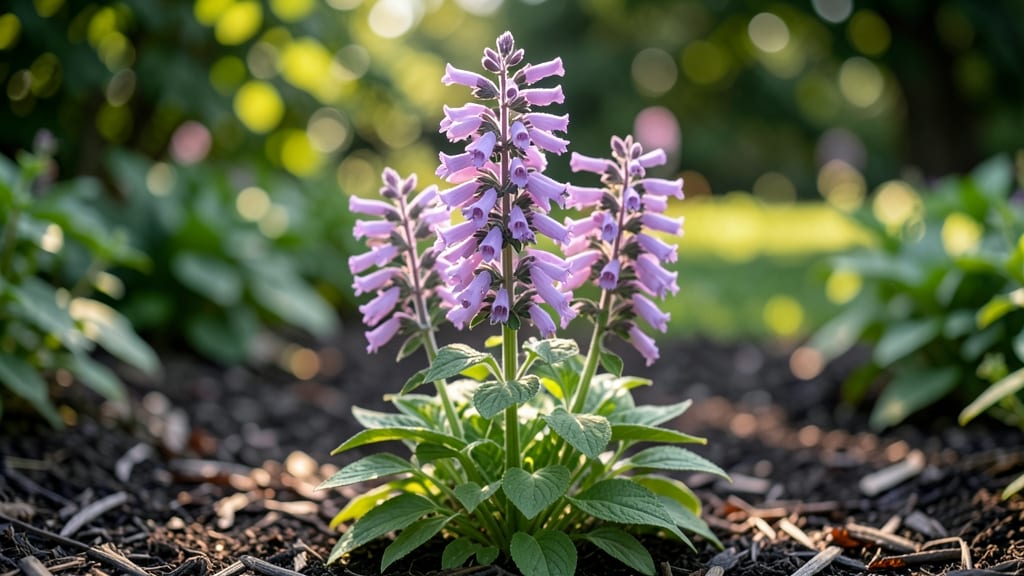
If you've ever wondered how tall does obedient plant grow, you're not alone—this question tops the list for gardeners planning their spring layouts.
The obedient plant (Physostegia 🌿) is a versatile favorite, but its height can swing wildly depending on the variety, from petite 12-inch charmers to towering 5-foot giants.
Picture this: You've just planted your obedient plant in USDA Zone 6a during that perfect April-May window, and now you're staring at your garden sketch, wondering if it'll peek over the fence or stay neatly contained.
The truth? Some varieties like 'Little Obie' will play it modestly, while others like 'Miss Manners' will stretch their legs dramatically.
What you're about to discover is how to match the right variety to your space—and even tweak its growth with simple techniques.
Whether you're working with a cozy container garden or a sprawling landscape, knowing these height ranges means you can place your obedient plant with confidence, ensuring it becomes the star of your spring display without stealing the show from your other plants.
Let's break down the exact height ranges by variety and share the secrets to controlling growth, so you can create the perfect obedient plant look for your garden—no surprises included.


Obedient plant height ranges by variety: compact vs. tall options
If you're wondering how tall obedient plants grow, the answer depends entirely on the variety you choose. The obedient plant (Physostegia virginiana) includes both dwarf varieties perfect for containers and tall cultivars that thrive in borders.
Knowing these height ranges helps you select the right plant for your garden design—whether you need a low-growing accent or a bold vertical statement.
For example, the 'Little Obie' variety stays under 18 inches tall, making it ideal for window boxes or small gardens. On the other end of the spectrum, 'Miss Manners' can reach 48 inches or taller, perfect for creating a lush, layered backdrop.
These variations mean you can tailor your garden layout to fit any space, from urban balconies to sprawling landscapes.
Here’s a quick comparison of popular obedient plant varieties and their mature heights:
| Variety | Mature Height | Spacing Needs | Best For |
|---|---|---|---|
| 'Little Obie' | 12–18 inches | 12–18 inches apart | Containers, borders, window boxes |
| 'Vivid' | 18–24 inches | 18–24 inches apart | Front of borders, mass planting |
| 'Miss Manners' | 36–48 inches | 24–36 inches apart | Back of borders, cottage gardens |
| 'Summer Snow' | 24–36 inches | 24 inches apart | Cut flower gardens, pollinator-friendly areas |
| 'Pink Flamingo' | 30–40 inches | 24 inches apart | Mixed borders, perennial gardens |
The 'Little Obie' variety is my go-to for small spaces because it stays under 18 inches tall while still producing vibrant blooms. Its compact size makes it perfect for container gardening or edging garden paths.
Meanwhile, taller varieties like 'Miss Manners' add drama to the back of garden beds, often reaching 48 inches or more when given ideal growing conditions.
When planning your garden, consider not just the mature height but also the spreading habit of each variety. For instance, 'Vivid' spreads 18–24 inches wide, while 'Miss Manners' can spread up to 36 inches.
This ensures you leave enough space between plants to prevent overcrowding and improve airflow, which reduces the risk of fungal diseases.
If you're growing obedient plants in containers, choose dwarf varieties like 'Little Obie' or 'Vivid' to avoid overpowering your patio or balcony. For in-ground planting, taller varieties like 'Pink Flamingo' or 'Summer Snow' create stunning vertical interest, especially when paired with tall grasses or late-blooming perennials.
Pro tip: To encourage fuller growth and prevent flopping in taller varieties, plant them in well-draining soil and provide support stakes if needed. This is especially important in humid climates where stems can become top-heavy with blooms.
For gardeners in USDA Zones 4–9, obedient plants are perennial, meaning they return year after year. This makes them a low-maintenance choice for adding structure and color to your garden. Just be sure to prune back spent blooms in early fall to promote healthy regrowth the following spring.
🌿
Factors that influence obedient plant height (and how to control it)
If you're wondering how tall does obedient plant grow, the answer isn't set in stone—it depends on several key factors you can actually control.
From sunlight exposure to pruning habits, these variables determine whether your obedient plant stays a compact 18-inch beauty or stretches toward 5 feet of dramatic height. Let's explore the biggest influencers and how to work with them.
The most critical factor is sunlight exposure. While obedient plants thrive in partial sun (4-6 hours daily), too much direct sunlight can spur rapid vertical growth.
I've seen 'Miss Manners' varieties reach 48 inches in full sun, while the same plants in dappled shade often max out at 36 inches. For shorter growth, place your plant in morning sun with afternoon shade—this mimics their natural woodland understory habitat.
Soil fertility plays a surprising role in height control. Rich, nitrogen-heavy soil encourages lush foliage and taller stems, while well-draining, slightly acidic soil (pH 6.0-7.0) promotes bushier, more compact growth. Before planting, amend your soil with compost and sand to create the ideal balance for shorter varieties like 'Little Obie'.
Pruning frequency is another game-changer. I've found that regular deadheading (removing spent blooms) encourages 10-15% taller growth by redirecting energy to new flowers. For shorter plants, try pinching back tips in early summer—this triggers bushier growth and keeps 'Miss Manners' under 3 feet instead of its full 48-inch potential.
Always use sterilized pruners to prevent disease spread.
Container size dramatically affects height too. Obedient plants in 12-inch pots often stay 20-30% shorter than their in-ground counterparts because root restriction limits vertical growth. For compact varieties, use 1-gallon containers with well-draining mix.
Pro tip: Elevate containers slightly to improve drainage and prevent root-bound stress that can stunt growth.
Seasonal care makes a difference too. In USDA Zone 6a, I've noticed obedient plants planted in early April (right after last frost) grow 15% taller by fall compared to those planted in late May.
The extra growing window gives roots time to establish before winter dormancy. For shorter plants, consider fall planting—the cooler temperatures encourage more horizontal growth.
Finally, don't overlook watering patterns. Deep, morning watering (500-750ml per plant) keeps stems sturdy and prevents the leggy growth caused by inconsistent moisture. I've seen obedient plants in containers double in height when watered only when soil is bone-dry—this creates stress that triggers rapid vertical growth.
For compact varieties, maintain consistent moisture during the growing season.
By mastering these factors, you can customize your obedient plant's height to fit any garden space—whether you want a 12-inch container star or a 5-foot landscape focal point. The key is observing your plant's response and adjusting one variable at a time. 🪴