
Plants
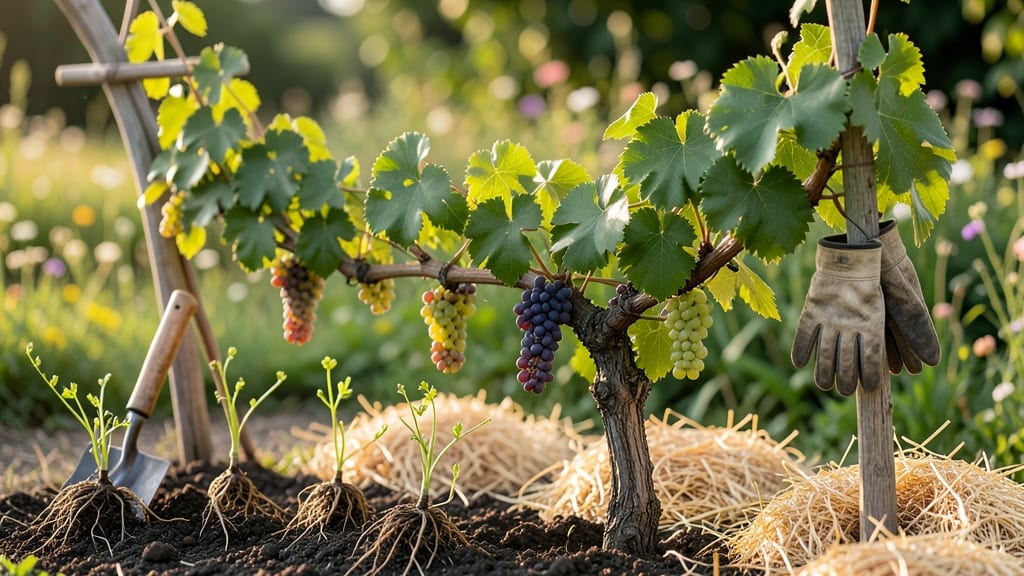
Planting grapes in Georgia at the wrong time can turn your dream vineyard into a sad, wilted disappointment—especially when you're dealing with USDA zones 7a-8b and tricky frost dates.
The key isn't just picking a random month; it's understanding how your local microclimate (whether you're near Chattanooga's cooler hills or Savannah's heat) affects when those 🍇 roots should hit the soil.
Most gardeners assume spring is the only option, but fall planting actually gives your vines a head start in Georgia's mild winters. I'll break down exactly why March-April is ideal for most varieties—like muscadines and European grapes—and when a late-winter or early-fall approach might work better for your specific location.
You'll also discover how to prep your soil for maximum success, whether you're planting in-ground or containers, and why skipping these steps could mean weaker vines next harvest season. Let's get your grapevines off to the best possible start.
From avoiding early frost damage to choosing the right spacing for your trellis, this guide covers all the local secrets Georgia growers swear by. Ready to turn your grape-growing plans into a thriving reality?
Georgia’s ideal grapes planting seasons: spring vs fall breakdown
Georgia’s USDA zones 7a-8b create perfect conditions for growing grapes, but choosing the right planting season is critical. While both spring and fall work, each offers distinct advantages—and risks—that depend on your grape variety and microclimate.
Let’s break down the key differences to help you decide whether to plant in March-May or October-November.
The last frost date in Georgia typically falls between mid-March and early April, depending on your region. For example, Chattanooga’s last frost often arrives in early April, while Savannah’s can be as early as mid-March.
This variation means your planting window shifts slightly depending on where you live. Understanding these regional differences is key to avoiding frost damage to young vines.
Spring planting (March-May) is the most popular choice for Georgia grape growers because it aligns with the vine’s natural dormancy cycle. When you plant in spring, your grapes have the entire growing season ahead to establish roots and produce fruit.
However, planting too early—before soil temperatures reach 50-60°F—can stunt root growth and leave vines vulnerable to late frosts.
Fall planting (October-November) offers a longer root establishment period before winter dormancy, but it requires precise timing. Planting 6-8 weeks before the first frost (usually mid-November) gives roots time to grow before cold sets in.
This method is ideal for Muscadine grapes, which are native to Georgia and more cold-hardy than European varieties like Cabernet Sauvignon.
| Factor | Spring Planting (March-May) | Fall Planting (October-November) |
|---|---|---|
| Best For | European varieties (Cabernet, Chardonnay) | Native Muscadines, cold-hardy varieties |
| Soil Temperature | 50-60°F (minimum) | 50-60°F (before frost) |
| Frost Risk | Moderate (late frosts possible) | High (plant too late = winter kill) |
| Root Establishment | Full growing season | 6-8 weeks before dormancy |
| Harvest Timing | Same year (if variety is fast-growing) | Next year (dormancy delay) |
| Best Regions | Northern GA (Chattanooga, Dalton) | Southern GA (Savannah, Macon) |
One of the biggest advantages of spring planting is the ability to harvest grapes in the same year for fast-growing varieties like Thompson Seedless. However, if you’re growing Muscadines, fall planting can give them a head start in warmer southern regions where winters are milder.
For example, in Savannah (Zone 8a), fall planting in early October can yield stronger vines by next spring.
Soil preparation is another critical factor that differs between seasons. For spring plantings, focus on amending soil with compost and phosphorus-rich fertilizer to encourage root growth. In contrast, fall plantings require extra mulch to insulate roots from winter temperature swings.
Both methods demand well-draining soil—Georgia’s clay-heavy soils often need sand or compost to improve drainage.
If you’re unsure which season to choose, consider your grape variety’s cold hardiness. European grapes (like Cabernet Franc) thrive with spring planting, while Muscadines (like Scuppernong) can handle fall planting better. Always check your local Cooperative Extension Service for region-specific frost dates and soil tests before deciding.
Remember, the first two years are about establishing your vineyard—prioritize root growth over fruit production. Whether you plant in spring or fall, consistent moisture and full sun exposure are non-negotiable for Georgia grapes. With the right timing, your vines will reward you with bountiful harvests for decades.
🍇
Georgia’s ideal grapes planting seasons: spring vs fall breakdown
Georgia’s USDA zones 7a-8b offer two prime windows for planting grapes: late winter/early spring and fall. Most gardeners default to spring, but fall planting can give your vines a 6-week head start before Georgia’s mild winters.
The key difference? Soil temperatures and frost risk—spring planting avoids winter dormancy stress, while fall lets roots establish before summer heat.
For European grapes (vinifera), spring planting in March-April is safest—these varieties need 60+ frost-free days to mature. Meanwhile, muscadines, Georgia’s native grapes, tolerate cooler soils and can handle fall planting in October-November. Your choice depends on your last frost date (mid-March in most areas) and grape type.
🍇
Spring vs Fall Planting Comparison
| Factor | Spring Planting (March-April) | Fall Planting (October-November) |
|---|---|---|
| Best For | European grapes (vinifera) | Muscadines, cold-hardy varieties |
| Soil Temp | 50-60°F (10-15°C) | 50-65°F (10-18°C) |
| Frost Risk | Low (after last frost) | Moderate (before first frost) |
| Root Growth | Slower (spring drought risk) | Faster (cool roots establish) |
| Established Before | Summer heat | Winter dormancy |
Chattanooga areas: Plant 2 weeks later than coastal Georgia
Spring planting (March-April) aligns with Georgia’s natural growth cycle, giving vines 120+ days to establish roots before summer’s 90°F+ heat. The trade-off? Early spring droughts can stress young plants. Fall planting, however, lets vines focus on root growth before winter—critical for muscadines, which thrive in Georgia’s clay soils.
For container grapes, fall planting is safer—pots dry out faster in spring’s heat. If you’re in North Georgia (USDA 7a), delay until April 15th to avoid late frosts. Coastal areas (USDA 8a) can plant as early as February 28th for spring varieties.
🌱