Plants
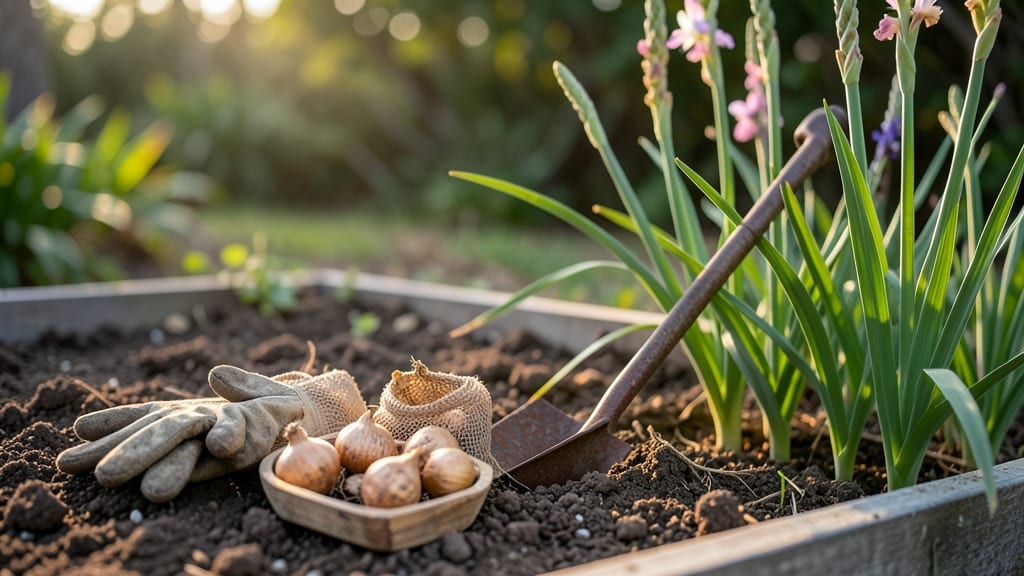
If you’ve ever planted gladiolus in Florida and ended up with weak stems or no blooms, you’re not alone—timing is everything in our warm but tricky climate.
Unlike cooler regions, Florida’s frost-free zones mean these 🌸 showstoppers can bloom year-round, but getting the soil temperature right (not just the calendar) is the key to vibrant, long-lasting flowers.
Most gardeners assume August-September is the only window, but that’s just the start. The real secret lies in waiting for soil to warm to 60°F+—a detail that makes all the difference between thriving gladiolus and struggling ones.
Whether you’re in North Florida’s slightly cooler pockets or South Florida’s near-tropical heat, this guide will help you pinpoint the perfect moment to plant for zero-frost blooms.
I’ll walk you through the exact planting triggers, regional tweaks, and post-planting care to keep your gladiolus flourishing from spring through fall—without the common mistakes that waste time and money. Let’s get those corms in the ground the right way.
Ready to transform your garden into a parade of 🌸? The best time to plant isn’t just about months—it’s about reading your soil’s temperature cues. Stick with me, and you’ll never guess when to plant again.
Florida gladiolus planting calendar by soil temperature (not just months)
Florida’s frost-free climate lets gladiolus thrive year-round, but soil temperature—not just calendar months—dictates the best planting windows. Unlike northern states, Florida’s USDA Zones 9a-11 mean you can grow gladiolus in three distinct cycles: early spring, summer, and fall.
The key? Plant when soil hits 60°F+—this triggers root growth without heat stress.
North Florida’s shorter growing season (e.g., Jacksonville) favors August-September planting for fall blooms, while South Florida (Miami, Key West) can plant year-round with July-October as sweet spots.
Central Florida (Orlando, Tampa) splits the difference, allowing two planting windows per year. Always check soil temp with a soil thermometer—surface temps can mislead!
Here’s the golden rule: Avoid planting during peak summer heat (June-July in North FL) or heavy rain seasons (September-October). Gladiolus corms rot in soggy soil, and 90°F+ soil can scorch new roots. Instead, aim for warm but not scorching conditions—think 75-85°F soil for ideal root establishment.
🌱 Pro Tip: Use mulch blankets after planting to stabilize soil temps and retain moisture. This is especially critical in sandy Florida soils, which dry out fast.
Florida Gladiolus Planting Windows by Region
| Region | Best Planting Months | Soil Temp Goal | Bloom Window |
|---|---|---|---|
| North Florida (Jacksonville, Gainesville) | August-September | 60-75°F | October-December |
| Central Florida (Orlando, Tampa) | July & September | 65-80°F | September-February |
| South Florida (Miami, Key West) | Year-Round (Peak: July-October) | 70-85°F | August-March |
*Adjust for microclimates—coastal areas stay warmer longer.
For North Florida gardeners, focus on one planting window (August-September) to avoid overlapping growth cycles. This prevents nutrient competition and ensures stronger blooms.
In Central Florida, you can squeeze in two plantings—July for fall blooms and September for winter color—but prioritize the August-September window for the most reliable results.
South Florida’s year-round potential is a game-changer, but even here, soil temp matters. Plant July-August for fall blooms or September-October for winter color. Avoid planting during hurricane season (June-November), as flooding can drown corms. Instead, time plantings to post-storm dry spells for best success.
One common misconception is that gladiolus can’t handle Florida’s humidity. In reality, they thrive with 60-70% humidity—just ensure good air circulation to prevent fungal diseases like botrytis. Space plants 6 inches apart and avoid overhead watering to keep foliage dry.
To extend your blooming season, try successive planting every 4-6 weeks in Central/South Florida. For example, plant July 15, August 15, and September 15 for continuous color from September through March. Just monitor soil temps closely—below 60°F slows root growth, while above 90°F stresses plants.
For container gardening in Florida, use well-draining pots with cactus/succulent mix to prevent rot. Plant August-September for fall/winter blooms, and move pots to partial shade during peak afternoon sun (3-6 PM) to protect corms from heat stress.
Remember: Florida’s no-frost rule means you can experiment with unusual varieties like ‘Green Garter’ or ‘Black Pearl’, which need cooler nights to trigger blooming. Pair these with shade cloth (30-50%) during summer to mimic ideal conditions.
Florida gladiolus planting calendar by soil temperature (not just months)
Florida’s frost-free climate lets gladiolus bloom year-round, but soil temperature—not just the calendar—dictates success. Unlike northern states, Florida’s USDA Zones 9a-11 mean you can plant gladiolus corms in three distinct windows, each with ideal soil temps for root establishment.
For peak blooms, aim for 60°F+ soil temperatures—the magic threshold where roots activate without heat stress. North Florida’s shorter growing season (think Jacksonville to Gainesville) benefits from earlier plantings, while South Florida (Miami to Key West) can extend cycles year-round with proper care.
Here’s your soil-temperature-based planting guide, tailored to Florida’s microclimates:
| Planting Window | Soil Temp (°F) | Best For | Bloom Time |
|---|---|---|---|
| Early Summer (July) | 60–75°F | North Florida (Zone 9a) | Fall blooms (Sept–Nov) |
| Late Summer (August–Sept) | 65–80°F | Statewide (ideal) | Winter blooms (Oct–Dec) |
| Early Fall (October) | 60–70°F | South Florida (Zone 10a+) | Spring blooms (Jan–Mar) |
Pro tip: Use a soil thermometer to verify temps before planting—especially in North Florida’s cooler pockets. August–September is the sweet spot for most gardeners, but South Florida’s longer growing season lets you push into October for spring blooms.
For North Florida gardeners, prioritize July plantings to beat summer’s peak heat. In Central/South Florida, you can even plant in late fall for early spring color—just watch for humidity spikes that invite fungal diseases.
Remember: Gladiolus corms hate soggy soil. Florida’s heavy summer rains mean you’ll need well-draining beds or raised planters to prevent rot. Amend clay soil with compost or sand for optimal drainage.