
Plants
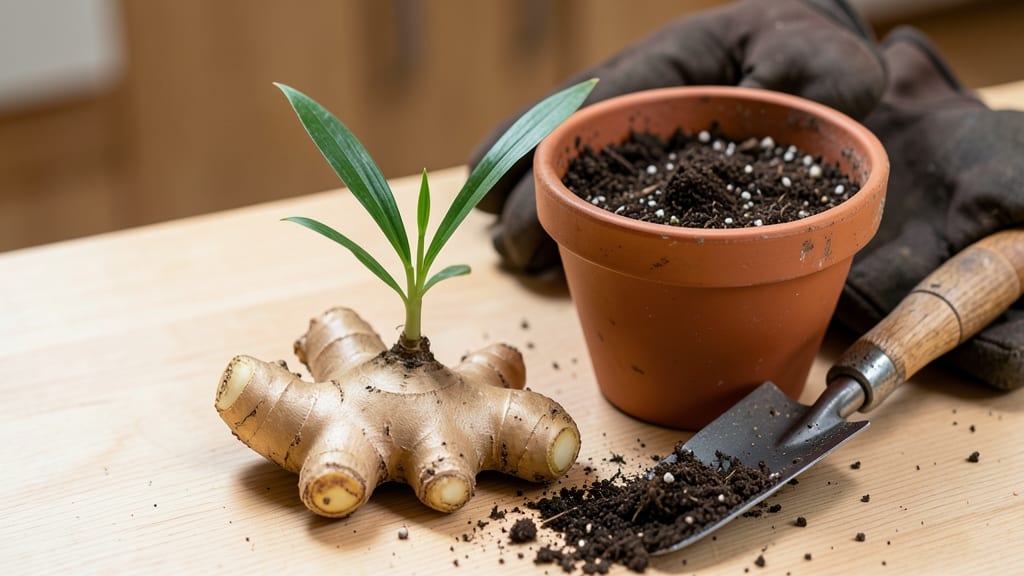
Knowing when to plant ginger in California can mean the difference between a thriving harvest and struggling plants. Unlike many crops, ginger 🌿 loves warmth but hates frost—so timing is everything in the Golden State’s varied climate zones.
Most gardeners in California’s coastal Zone 10a can plant year-round, but inland areas like the Central Valley (Zone 9b) need to wait until after the last frost risk—typically March or April. Even then, summer’s heat can stress young plants, making late spring the sweet spot for most regions.
Here’s the game-changer: whether you’re using rhizomes, seeds, or starter plants, soil temperature matters more than calendar dates. I’ll break down the exact windows for your microclimate—plus how to protect your ginger from California’s infamous heatwaves.
Ready to grow your own spicy harvest? Let’s dive into the best planting strategies tailored to your corner of California, so you can enjoy fresh ginger straight from your garden.
California ginger planting calendar: exact months by climate Zone
California’s diverse microclimates mean your ginger planting window depends on where you live. In coastal zones (USDA 10a), like San Francisco or Santa Barbara, you can plant ginger year-round thanks to mild winters.
But inland areas—think Sacramento or Los Angeles—require precise timing to avoid summer heat stress or winter chill.
For Northern California (Zone 9b), aim for late February to early April when soil temperatures hit 60°F+. This gives rhizomes time to establish before summer’s peak heat.
In Central California (Zone 10a), like the Bay Area, March through May is ideal, while Southern California (Zone 11) growers should plant February to March to beat the desert’s scorching summers.
Pro Tip: Use a soil thermometer—ginger rhizomes need 70°F+ soil to sprout. If your soil is cooler, wait until late spring or use black plastic mulch to warm it faster.
| Zone | Best Planting Window | Soil Temp Requirement | Heat Risk |
|---|---|---|---|
| Northern CA (9b) | Late Feb–Early Apr | 60°F+ | Moderate (summer heat) |
| Central CA (10a) | March–May | 65°F+ | High (inland valleys) |
| Southern CA (11) | Feb–March | 70°F+ | Very High (desert areas) |
| Coastal CA (10a) | Year-round | 60°F+ | Low (mild summers) |
If you’re in high-elevation areas (e.g., Sierra Foothills), delay until May to avoid late spring frosts. Check your local frost-free date—ginger rhizomes die at 32°F, so coastal growers have a 365-day frost-free window, while inland zones may see 300+ frost-free days.
For container gardening, plant 2-3 months earlier than in-ground, as pots warm up faster. Use black fabric pots to raise soil temperatures by 5-10°F in cooler months.
Remember: Southern California’s summer heat (100°F+) can stress ginger after just 6 weeks. If you plant in late spring, prioritize shade cloth (30-50%) and daily watering.
My personal trick? Start ginger in containers indoors by January, then transplant outdoors in March for a head start. This works especially well for Los Angeles or San Diego growers.
Always test your soil’s pH—ginger prefers 6.0-7.0. California’s alkaline soils often need sulfur or peat moss to adjust. I’ll cover soil prep in the next section!
California ginger planting calendar: exact months by climate Zone
California’s diverse climate zones mean your ginger planting window depends on where you live. Coastal areas like San Diego (Zone 10a) can plant year-round, while inland valleys like Fresno (Zone 9b) must wait for warmer soil temperatures. The key? Soil temperature—ginger rhizomes need 60°F+ soil to sprout consistently.
For most of California, the ideal planting window is March through May. This gives ginger enough time to establish roots before summer’s heat peaks.
In Southern California (Zone 11), you can even plant in fall (September-October) for a winter harvest, but this is riskier due to potential heat stress.
Here’s the breakdown by zone—so you can plant with confidence:
| Zone | Best Planting Months | Soil Temp Requirement | Notes |
|---|---|---|---|
| Northern CA (Zone 9b) | April–May | 60°F+ | Wait for last frost (rare but possible in valleys). |
| Central CA (Zone 9b-10a) | March–April | 60°F+ | Best for container growing in hot summers. |
| Southern CA (Zone 10a-11) | March–May or Sept–Oct | 65°F+ | Fall planting risks heat stress; prioritize shade. |
| Coastal CA (Zone 10a) | Year-round (best Feb–May) | 60°F+ | Mild winters allow continuous growth. |
Pro tip: Use a soil thermometer to confirm your garden’s temperature before planting. Ginger rhizomes rot in cold, soggy soil, so patience pays off—especially in Northern California’s cooler springs. If your soil isn’t warm enough, try container growing with heated seedling mats.
Once planted, focus on consistent moisture and partial shade during peak summer months. Inland growers, take