
Plants
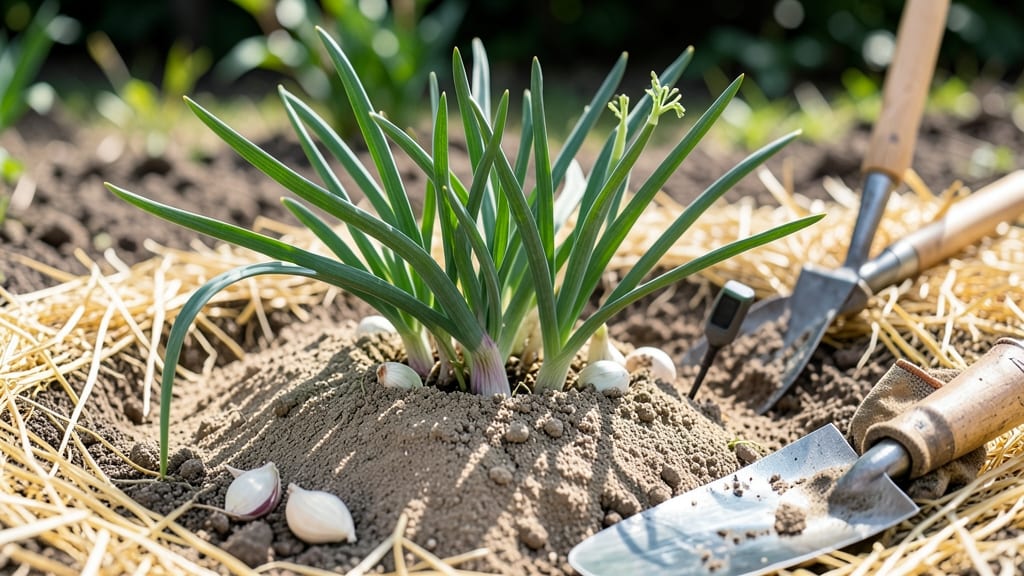
If you're growing garlic in Zone 10, timing your fall planting could mean the difference between robust bulbs and a disappointing harvest. Unlike colder climates, Zone 10's mild winters demand a more strategic approach—plant too early, and your garlic might bolt; too late, and you risk weak growth.
The key is planting garlic between October and December, when soil temperatures drop but remain above freezing. This window ensures your 🧄 develops strong roots before winter dormancy.
For Southern California, Southern Arizona, or Florida growers, this means avoiding the heat of late summer while still giving your crop enough cool weather to mature.
I’ll walk you through the exact dates, soil prep, and care tips tailored for Zone 10’s unique climate. Whether you’re a seasoned gardener or just starting, these insights will help you grow garlic that’s bigger, healthier, and ready for harvest by late spring.
Ready to skip the guesswork? Let’s dive into the secrets of planting garlic perfectly in your frost-free zone.
Optimal fall planting windows for Zone 10 garlic (with exact dates)
Zone 10’s frost-free winters throw a wrench into traditional garlic planting advice—but don’t let that scare you off. The key is planting 6-8 weeks before the winter solstice (around December 21).
This timing ensures your garlic gets the cool dormancy period it needs without premature sprouting from lingering summer heat.
For most of Zone 10, that means aiming for mid-October to early November. Coastal areas (like San Diego) can push planting slightly later—late October to mid-November—while inland desert regions (like Phoenix) should plant early October to early November to avoid heat stress.
Why this window? Garlic needs 40-60 days of cool soil temperatures (50-60°F) to establish roots before winter. Planting too late risks bolting (flowering), while planting too early can lead to rot from warm, wet soil.
| Zone 10 Region | Ideal Planting Window | Soil Temp Goal | Key Adjustment |
|---|---|---|---|
| Coastal (San Diego, LA) | Late October - Mid November | 55-60°F (13-16°C) | Wait for ocean breezes to cool soil |
| Inland Desert (Phoenix, Tucson) | Early October - Early November | 50-55°F (10-13°C) | Use shade cloth if temps stay high |
| Valleys (Central CA, SoCal) | Mid October - Late October | 52-58°F (11-14°C) | Monitor nighttime temps |
| High Desert (Palm Springs) | Late September - Early October | 48-52°F (9-11°C) | Plant earliest to avoid heat |
Pro tip: Use a soil thermometer to verify temperatures. Garlic cloves need consistent cool soil—if your area has unseasonable warmth, delay planting until nighttime temps drop below 65°F (18°C).
For hardneck varieties (like German White or Purple Stripe), stick to the early window—October—as they need cold vernalization to form scapes. Softneck varieties (like Artichoke) are more forgiving and can handle November planting in coastal areas.
Remember: Zone 10’s lack of frost means we’re working against premature sprouting. Planting too early (like September) risks cloves sprouting in warm soil, which weakens roots. Wait until soil temps stabilize below 65°F (18°C) for 2-3 weeks before planting.
If you miss the fall window, don’t panic—Zone 10 growers can also plant in January for a spring harvest. Just reduce spacing to 3 inches apart and use shade cloth during hot afternoons to prevent bolting.
For organic growers, add composted manure to beds 2-3 weeks before planting to boost soil microbes, which help stabilize soil temps and reduce rot risks in warm winters.
How to adjust planting for Zone 10’s unique climate challenges
Zone 10’s mild winters throw a wrench into traditional garlic planting advice. Without frost to trigger dormancy, your garlic could bolt prematurely or rot from excess moisture. The key is creating the right conditions to mimic a cooling period while avoiding heat stress or soil saturation.
I’ve grown garlic in Southern California for years, and these adjustments make all the difference.
First, focus on soil temperature—your garlic needs 50–60°F soil to establish roots before winter. In Zone 10, this means planting when daytime highs drop below 75°F but nights stay above freezing.
Coastal areas like San Diego can plant 2–4 weeks earlier than inland desert regions like Phoenix, where heat lingers longer.
Here’s the critical adjustment: mulch heavily (4–6 inches of straw or leaves) to insulate bulbs from warm soil temperatures and prevent sprouting too early. Without this, your garlic might send up shoots in December and bolt by February—ruining your harvest.
I’ve seen this happen when gardeners skip mulching in mild-winter zones.
Watering also needs tweaking. In Zone 10, overwatering is riskier than underwatering—soggy soil leads to rot, especially in the winter’s mild, damp periods. Water deeply but infrequently: aim for 1–1.5 inches per week, delivered in the morning only to let foliage dry before evening.
I’ve lost entire garlic patches to fungal diseases because of nighttime watering in Southern Arizona’s humid winters.
For organic growers, add composted manure or worm castings to your soil before planting to boost microbial activity. This helps roots establish faster in Zone 10’s warmer-than-ideal soils.
Avoid fresh manure—it can overheat the soil and stress young plants. Instead, mix in aged compost (3–6 months old) to provide nutrients without raising soil temperature.
Finally, watch for bolting signs: tall stems with flowers mean your garlic is stressed. If this happens, harvest the scapes (the curly stems) to redirect energy to bulb development.
In Zone 10, bolting often occurs when garlic gets too much sunlight or heat after planting. Providing afternoon shade with a row cover can prevent this.