
Companion Plants
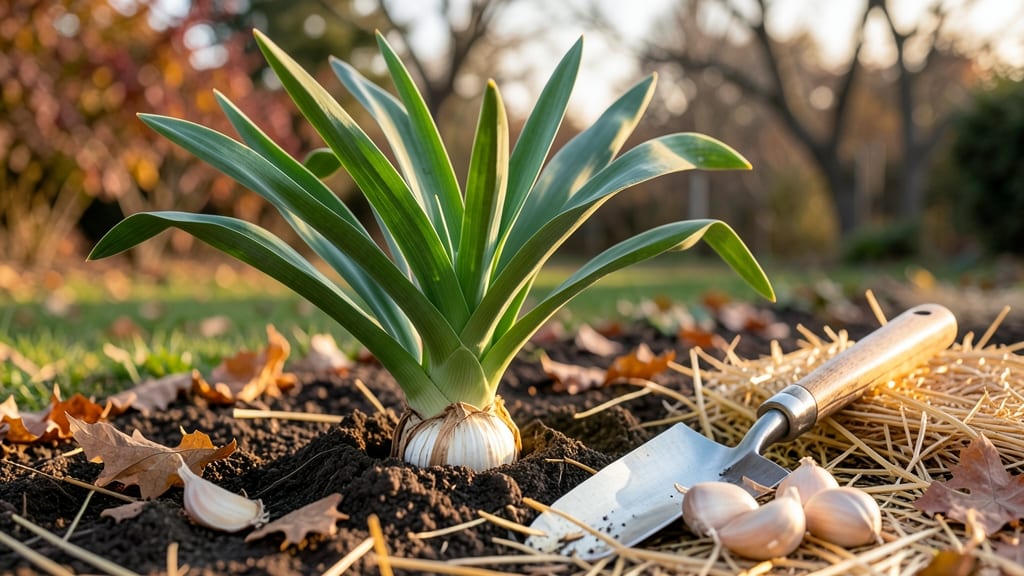
If you’ve ever wondered when to plant garlic in Western PA for the juiciest, most flavorful bulbs, the answer isn’t just about timing—it’s about working with your region’s quirks.
Here in Zone 6a, where winters can be unpredictable and springs arrive late, planting 🧄 garlic in the fall is your secret weapon for a bountiful summer harvest.
Most gardeners in Western PA make the mistake of waiting too late or rushing too soon, but the ideal window is between October and November, when soil temps drop but before the ground freezes solid.
This gives the cloves time to root deeply before winter dormancy, setting the stage for robust growth come spring.
Why does this matter? Because garlic planted at the right time thrives despite PA’s short growing season and unpredictable weather. You’ll avoid the frustration of stunted bulbs or early bolting—common pitfalls for those who plant too late or too early.
I’ll walk you through the exact steps to nail your fall planting, from soil prep to mulching, so you can enjoy homegrown garlic by late June or July.
Ready to transform your garden’s flavor profile? Let’s dive into the timing secrets that’ll make your garlic stronger, sweeter, and more resilient than ever before—no matter what Western PA throws your way.
Optimal fall planting dates for Western PA garlic
Timing is everything when planting garlic in Western PA, where Zone 5-6 winters demand precise scheduling. For hardneck varieties—the best choice for PA—aim to plant 4-6 weeks before the ground freezes, typically between mid-October and early November.
This window lets cloves establish roots before winter dormancy, ensuring robust growth next spring.
Western PA’s first hard frost usually arrives by mid-October, but soil temps drop faster in high-elevation areas like the Allegheny Mountains. Adjust planting dates 2-3 weeks earlier in these regions. Conversely, lowland areas near Pittsburgh may have slightly later frost dates, giving you a 10-day buffer for planting.
If you miss the ideal window, don’t panic! You can still plant garlic in early December, but expect smaller bulbs due to reduced root development. For late starters, prioritize well-draining soil and heavy mulching to protect cloves from freeze-thaw cycles.
Here’s a regional breakdown of Western PA’s planting timeline:
| Region | Ideal Planting Window | Last-Minute Window | Key Consideration |
|---|---|---|---|
| Pittsburgh & Lowlands | Late October - Early November | Mid-November | Soil stays warmer longer |
| Erie & Northwest PA | Mid-October - Late October | Early November | Cooler microclimates |
| Allegheny Mountains | Early October - Mid-October | Late October | Early frost risk |
| State College & Central PA | Late October - Early November | Mid-November | Moderate elevation |
For accurate local timing, check your last average frost date using the USDA Plant Hardiness Zone Map or your county’s agricultural extension office. In Western PA, soil temps below 40°F signal it’s time to plant—use a soil thermometer for precision.
Pro tip: Plant garlic in clusters (4-6 cloves per spot) to simulate natural growth patterns. Space them 4-6 inches apart in rows 12 inches apart for easy harvesting. This method also helps conserve soil warmth during winter.
If you’re new to garlic growing, start small with 10-20 cloves to test your soil and timing. Western PA’s clay-heavy soils often need amendments like compost or sand to improve drainage—critical for preventing rot during winter.
Remember, hardneck garlic needs cold vernalization (a period of cold) to form bulbs, so spring planting won’t work in PA’s climate. Save any missed cloves for next year’s fall planting or use them in cooking!
Once planted, mulch heavily with straw or leaves (4-6 inches thick) to insulate cloves from freeze-thaw cycles. This step is non-negotiable in PA’s unpredictable winters—it’s the difference between bold bulbs and shriveled disappointments.
Optimal fall planting dates for Western PA garlic
Timing is everything when planting garlic in Western PA, where Zone 5-6 winters demand precision. The ideal window is 4-6 weeks before the ground freezes, typically between mid-October and early November.
This gives cloves time to root before winter dormancy. Late plantings risk stunted growth, while early ones may rot in wet soil.
Use average first frost dates as your guide: Pittsburgh’s mid-October frost means aim for early October planting, while Erie’s later frost (early November) allows mid-October starts. Check local USDA frost maps for microclimate adjustments—mountain regions freeze sooner than valleys.
For backup windows, plant by December 1st if you missed the primary window, but expect smaller bulbs. Avoid spring planting unless you’re growing softneck garlic, which thrives in warmer climates—hardneck varieties (Western PA’s best choice) need cold vernalization for bulb formation.
🌱
| Planting Stage | Western PA Timeline | Key Action |
|---|---|---|
| Primary Window | Mid-October to early November | Plant cloves 2" deep, 4-6" apart |
| Backup Window | December 1st (last chance) | Use for small harvests only |
| Soil Prep | 4-6 weeks before planting | Test pH (6.0-7.0), amend with compost |
| Frost Protection | After ground freezes | Add 4-6" straw mulch |
Soil temperature is your secret weapon—garlic roots need 40-50°F soil to establish. Use a soil thermometer to confirm readiness; if temps drop below 32°F, delay planting until conditions stabilize. Pro tip: Plant on a cloudy day to reduce stress on cloves.
Missed the fall window? Spring planting is possible but yields smaller bulbs and requires chilling treatment (store cloves in fridge for 6 weeks before planting in March-April). This mimics winter dormancy but isn’t ideal for hardneck varieties.
🌡️