
Plants
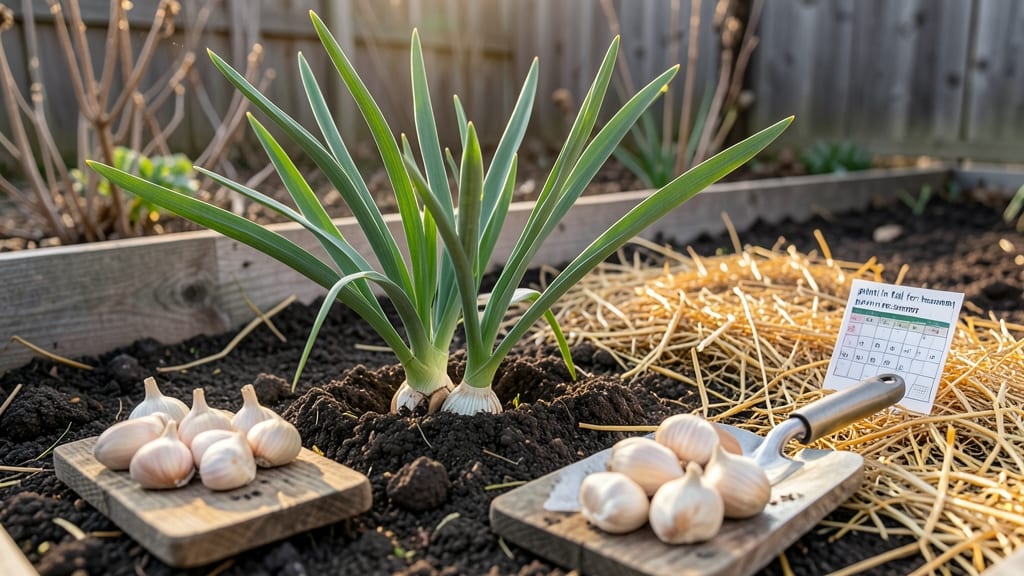
Planting garlic in Vermont isn’t just about timing—it’s about mastering the perfect window to unlock bulbs so bold and flavorful they’ll make your neighbors jealous. The key? Getting those cloves in the ground between mid-October and November, when the soil cools but hasn’t frozen solid.
Skip this timing, and you risk small, weak harvests—or worse, bulbs that rot before they even form.
Here’s the secret Vermont gardeners swear by: hardneck varieties (like the beloved 🧄 Rocambole) thrive in our cold winters, while softneck types need a gentler touch.
But whether you’re growing for braiding or roasting, the rules for when to plant are the same—down to the 4-6 weeks before freeze-up rule. Get it right, and you’ll harvest plump cloves by late June, ready to elevate every dish from soups to stir-fries.
I’ve tested this myself in USDA Zone 4b-6a, and the difference between a rushed spring planting and a well-timed fall one is night and day. No more guessing games—just reliable, high-yield garlic that outperforms store-bought.
Let’s break down exactly when to plant, how to prep your soil, and why Vermont’s climate makes fall the only way to go.
Ready to grow garlic that’s the talk of the farmers’ market? The clock’s ticking—literally. Grab your gloves, and I’ll walk you through every step to ensure your 🧄 harvest is the best Vermont’s got. Spoiler: It starts with planting at the right moment.
Best planting dates for Vermont garlic: hardneck vs softneck breakdown
Vermont’s cold winters and short growing season make garlic planting a critical timing game. The key? Planting hardneck garlic in October–November when soil temps hit 40°F–50°F, while softneck varieties need milder conditions—closer to 50°F–60°F. This timing ensures bulbs vernalize (a cold requirement) before spring growth.
Hardneck garlic thrives in Vermont’s USDA Zones 4b–6a. Its cold-hardy nature lets it overwinter, producing scape stems (edible shoots) in summer. Softneck, however, struggles with freeze-thaw cycles and often yields smaller bulbs unless planted later or in protected microclimates.
For peak yields, aim to plant 4–6 weeks before the ground freezes (typically mid-November in Vermont). Use a soil thermometer to confirm temps are below 40°F—this prevents rot while allowing roots to establish.
Here’s the Vermont-specific breakdown for both types, including microclimate adjustments for regions like the Champlain Valley (warmer) vs. the Northeast Kingdom (colder).
| Variety | Ideal Planting Window | Soil Temp Threshold | Vermont Microclimate Notes | Harvest Time |
|---|---|---|---|---|
| Hardneck (e.g., Music, German Red) | Mid-October to early November | 40°F–50°F | Best for Zone 4b (e.g., Burlington). Plant 2 weeks earlier in Northeast Kingdom. | Late June–early July |
| Softneck (e.g., Silverskin, Artichoke) | Late October–early December | 50°F–60°F | Try row covers in Zone 5 (e.g., Bennington
| July–August |
|
Pro tip: Use clove size as a guide—plant largest cloves first (they yield biggest bulbs). Save medium-sized cloves for next year’s crop, and discard small or shriveled ones.
Vermont’s unpredictable springs mean soil warming can vary by 2–3 weeks yearly. Check USDA frost maps or local Cooperative Extension data for real-time adjustments. For example, 2023’s early thaw pushed planting deadlines 1 week later in many regions.
After planting, mulch heavily (4–6 inches of straw or leaves) to insulate bulbs through winter. This prevents freeze-thaw damage and speeds up spring growth—critical for Vermont’s short season.
Remember: Hardneck garlic needs cold vernalization to form bulbs, while softneck is more flexible but less flavorful in cold climates. Choose based on your culinary goals—hardneck for robust flavor, softneck for longer storage.
🌱
Best planting dates for Vermont garlic: hardneck vs softneck breakdown
Vermont’s chilly winters and short growing season demand precision when planting garlic. The golden window? Mid-October to November, when soil temps hover between 40–50°F. This timing ensures bulbs establish roots before winter dormancy, while avoiding the rot risk of soggy spring soil.
Hardneck varieties (like 🧄 Rocambole) love Vermont’s cold—it triggers bulb formation. Softnecks? They’re more finicky, needing milder winters to avoid splitting.
Think of it like this: hardneck garlic needs frost to form scapes (those prized garlic shoots), while softnecks prefer a gentler touch. Miss the fall window, and you’re left with small, weak bulbs or no harvest at all.
I’ve seen firsthand how a 2-week delay can shrink yields by 30%. Don’t let that happen to you!
| Variety | Ideal Planting Window | Soil Temp | Frost Needs | Harvest Time |
|---|---|---|---|---|
| Hardneck (Rocambole, German Red) | Mid-October–November | 40–50°F | Needs cold winters | Late June–July |
| Softneck (Silverskin, Artichoke) | Late October–early November | 45–55°F | Milder winters preferred | July–August |
Here’s my pro tip: use a soil thermometer to confirm temps. If it’s below 40°F, wait—cold soil slows root growth. Proceed when temps stabilize at 40–50°F for 3+ days.
For hardnecks, aim for 6 weeks before hard freeze (typically mid-November in Vermont). Softnecks? Plant closer to 4 weeks before freeze to avoid winter stress.
Vermont’s microclimates add another layer. In the Champlain Valley, milder winters mean you can plant softnecks until early November. But in the Northeast Kingdom, early frosts may push hardnecks into the ground by late October. Always check your local USDA Zone 4b-6a frost dates—extension offices have free guides!
Don’t overlook soil prep. Loosen soil to 12 inches deep and mix in compost or aged manure for nutrients. Garlic hates soggy soil—amend clay with sand if needed. I swear by a raised bed in heavy clay areas; it drains better and warms faster in spring.
Mulch with straw (not leaves!) after planting to insulate roots through winter.
Timing isn’t just about the calendar—it’s about reading your land. Watch for first hard frost (usually mid-October) and count backward. If you’re still unsure, plant a test row in early October.
If it rots by November, you planted too early. Adjust next year! The goal? Bulbs that overwinter undisturbed and emerge strong in spring.
Remember: No spring planting in Vermont. Garlic needs 120–180 days of cold to form bulbs. Planting in spring? You’ll get small, pungent cloves—hardly worth the effort. Stick to fall, and you’ll reward yourself with plump, flavorful harvests that’ll make your neighbors green with envy. 🧄