
Plants
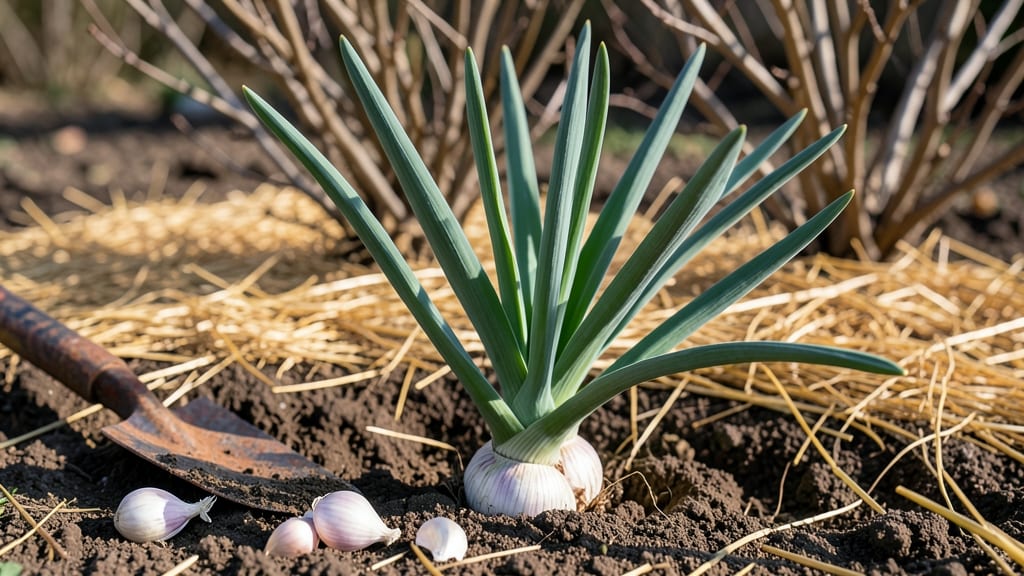
Planting garlic in Zone 5 during the wrong fall window can turn your 🧄 dreams into a flop—yet most gardeners miss the 4-6 week sweet spot before the ground freezes.
The secret to plump, flavorful bulbs lies in timing it right, when soil temps hit that perfect 40-50°F range and the moon aligns with your local frost dates.
I’ve grown garlic in Zone 5 for years, and the difference between a disappointing harvest and a bountiful one comes down to these precise details.
Whether you’re a first-time planter or a seasoned gardener, mastering the fall window will give you the edge—especially when early frosts or late snowstorms threaten your crop.
In this guide, I’ll break down exactly when to plant, how to adjust for your specific Zone 5 location, and what to watch for if you’ve already missed the ideal window. No more guessing—just actionable steps to grow garlic that rivals store-bought (or better!).
Let’s get your garlic in the ground at the perfect time so you’re harvesting golden, flavorful bulbs next summer. The clock is ticking—fall won’t wait!
Optimal fall planting window for garlic in Zone 5 (with soil temperature guide)
Garlic thrives in Zone 5’s cool fall temperatures, but timing is everything. The ideal planting window spans 6 weeks—from late September to mid-November—just before the ground freezes.
This ensures bulbs establish strong roots before winter dormancy. Planting too early (like August) can trigger premature growth, while waiting too late (December+) risks shallow roots that freeze.
For hardneck varieties (like Rocky Mountain or German White), aim for mid-October in most of Zone 5. Softneck types (such as Silverskin) can tolerate slightly later planting, but even they need 4-6 weeks before frost.
Check your local USDA Plant Hardiness Zone map—Zone 5’s northern edge (e.g., Minnesota) may need earlier planting than the southern edge (e.g., Kansas).
Soil temperature is your secret weapon. Garlic cloves need soil between 40–50°F to sprout successfully. Use a soil thermometer to confirm—if temps drop below 35°F, roots may fail to establish.
In early fall, soil often stays warm, but a hard frost (below 25°F) will halt growth. Mulch with straw or leaves (2–3 inches) to insulate roots once planted.
Pro tip: Adjust for your first frost date. In Zone 5, the average first hard frost hits November 15, but this varies by location. Add 4–6 weeks to your frost date to pinpoint your planting deadline.
For example, if frost arrives November 10, plant by October 1. Use the Old Farmer’s Almanac or local extension office data for precision.
| Timeframe | Soil Temp | Zone 5 Notes |
|---|---|---|
| Late September | 50–60°F | Best for northern Zone 5; soil may still be warm. |
| Mid-October | 45–55°F | Ideal for most of Zone 5; cloves sprout reliably. |
| Early November | 40–50°F | Last chance for southern Zone 5; mulch heavily. |
| Mid-November | Below 40°F | Risky; roots may not establish before freeze. |
🌱 Key: Plant when soil temps are 40–50°F for best root growth.
Why does timing matter so much? Garlic bulbs form in spring and early summer, but the foundation is laid in fall. Planting at the right time ensures deep root penetration (aim for 6–8 inches deep) and strong clove separation—critical for large, high-quality bulbs.
If planted too early, garlic may bolt (send up a flower stalk) or produce small, weak bulbs. Late planting often results in shallow roots that freeze or rot over winter.
For organic gardeners, amend soil with compost or aged manure before planting to boost nutrient availability. Garlic is a light feeder, but well-drained, slightly acidic soil (pH 6.0–7.0) prevents rot.
Avoid fresh manure—it can burn cloves and attract pests. In clay-heavy soils, mix in sand or perlite to improve drainage.
One common mistake? Using store-bought garlic for planting. Supermarket garlic is often treated to prevent sprouting. Instead, source organic seed garlic from reputable suppliers like Richters or Territorial Seed Co..
For a second crop, you can plant in early spring (March–April), but bulbs will be smaller and less flavorful than fall-planted garlic.
Test your soil’s readiness with the "finger test": Push a finger into the soil. If it’s cool to the touch but not frozen, it’s time to plant. For container gardening, use pots at least 8 inches deep—garlic roots need room to grow downward.
Place containers in a sunny spot (6+ hours of light daily) and water lightly until spring.
Remember: Patience is key. Garlic won’t sprout until spring, but the roots will be hard at work underground. By next summer, your precise fall planting will reward you with plump, flavorful bulbs—worth the wait! 🧄
Optimal fall planting window for garlic in Zone 5 (with soil temperature guide)
Timing your garlic planting in Zone 5 is all about that 6-week window between late September and mid-November. This period ensures your cloves establish roots before the ground freezes, setting the stage for next summer’s harvest.
The magic happens when soil temperatures drop to 40-50°F—too warm, and your garlic will bolt; too cold, and it won’t root properly.
For most of Zone 5, aim to plant by November 15, but adjust based on your last frost date. Northern areas (like Minnesota) may need to plant by early November, while southern Zone 5 (like Kentucky) can stretch until mid-December.
The key is giving your garlic enough time to root before the ground hardens.
🌱 Garlic Planting Timeline for Zone 5
| Stage | Action | Soil Temp |
|---|---|---|
| Late September | Prepare beds, break up cloves | 50-60°F |
| October | Plant cloves 2" deep, pointed end up | 40-50°F |
| November | Mulch heavily (4-6"), monitor for sprouts | 35-45°F |
| Winter | Dormant; protect from extreme cold | Below freezing |
Pro tip: Use a soil thermometer to check temps—if it’s above 50°F, wait a week or two. Warm soil triggers early sprouting, which weakens roots before winter. I’ve seen gardeners rush planting in early October only to end up with small, weak bulbs because the garlic bolted prematurely.
Hardneck varieties (like Music or German White) handle cold better than softnecks, so if you’re in a colder microclimate, prioritize these. Plant them 2-3 weeks earlier than softnecks to give them extra time to establish.
If your first frost hits early (before November 15), don’t panic—just plant as soon as the soil is workable. Garlic can survive light frosts once rooted, but avoid planting when the ground is rock-hard or slushy. Aim for soil that crumbles easily when squeezed in your hand.
Remember: The 4-6 week rule before freeze-up is your golden ticket. Mark your calendar now—your future garlic harvest depends on it! 🧄