
Plants
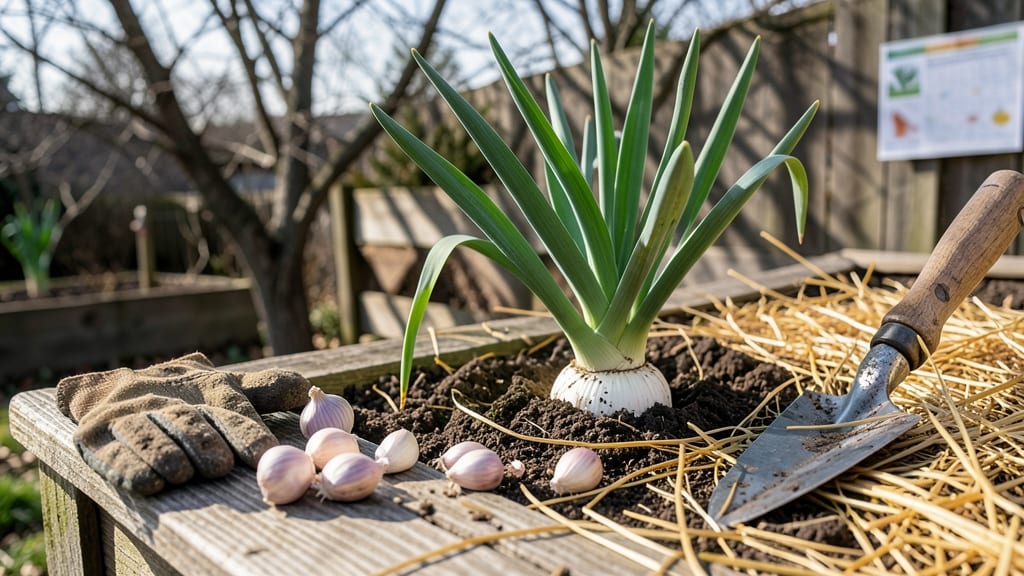
If you're wondering when to plant garlic in Pennsylvania, timing is everything—get it wrong, and you might miss out on a bumper harvest of flavorful 🧄 bulbs.
Pennsylvania’s USDA zones 5b-7a create a unique window where fall planting is critical, but knowing the exact months makes all the difference for both hardneck and softneck varieties.
Most gardeners in the Keystone State aim to plant between October and November, but the ideal time depends on your local frost dates and soil conditions. Too early, and your cloves may sprout before winter; too late, and they won’t establish strong roots before the ground freezes.
I’ll break down the exact timing for your region and how to adjust for Pennsylvania’s unpredictable weather.
Hardneck varieties, like Rocky Mountain or German White, thrive when planted in October, while softneck types can handle a slightly later window into November.
The key is getting those cloves into the ground 4-6 weeks before the first frost—a rule that keeps your garlic healthy through winter and sets you up for a robust harvest next summer.
Ready to grow your best garlic yet? I’ll walk you through soil prep, spacing tips, and even how to handle those late-season surprises. Let’s get those cloves in the ground the right way!
Best planting months for garlic in Pennsylvania by variety
Pennsylvania’s USDA zones 5b-7a create a perfect window for planting garlic in fall, but the exact timing depends on whether you’re growing hardneck or softneck varieties. Hardneck varieties, like German White or Silverskin, need to be planted 4-6 weeks before the ground freezes, typically in October.
Softneck varieties, such as Artichoke or California Early, can handle a slightly later window into early November.
For most of Pennsylvania, this means aiming for mid-October to early November.
However, gardeners in southern PA (zones 7a) might push planting into late October or early November, while those in northern PA (zones 5b) should plant as early as late September to early October to avoid early freezes.
The goal is to give your cloves time to establish roots before the ground hardens.
Soil temperature is another critical factor. Garlic cloves need 40-50°F soil temperatures to sprout successfully. If your soil is still warm when you plant, your cloves may sprout too early and get damaged by frost.
Use a soil thermometer to check temperatures before planting—this is especially important in western PA, where soil can stay warm longer.
Here’s a quick rule of thumb: Plant garlic when your average daily temperatures drop below 70°F but before the first hard frost. In most of Pennsylvania, this aligns with October, but always double-check your local frost dates.
The Penn State Extension provides frost date maps that can help you pinpoint the best time for your specific area.
| Variety Type | Best Planting Month | Soil Temp Requirement | Key Notes |
|---|---|---|---|
| Hardneck (e.g., German White, Rocky Mountain) | October (mid-late) | 40-50°F | Best for cold climates; produces scape in summer. |
| Softneck (e.g., Artichoke, California Early) | Early November | 45-55°F | More tolerant of warmer soil; stores longer. |
| Elephant Garlic (e.g., Inchelium Red) | Late October | 40-50°F | Larger bulbs; plant slightly deeper (2-3 inches). |
🌱 Pro Tip: Adjust planting dates by 1-2 weeks based on your local frost dates.
If you’re in Philadelphia or southeastern PA, where winters are milder, you might extend planting into early December—but only if your soil hasn’t frozen solid. In Pittsburgh or central PA, aim for mid-October to avoid early freezes that can damage young shoots.
Rural areas with colder microclimates may need to plant even earlier, sometimes as early as late September.
One common mistake is waiting until November to plant garlic, thinking it’s still early enough. By then, the ground may be too cold for roots to establish properly.
If you miss the fall window, you can try planting in early spring (March-April), but your harvest will be smaller and less flavorful. Fall-planted garlic always yields the best results in Pennsylvania’s climate.
To ensure success, test your soil’s drainage and pH before planting. Garlic prefers well-draining soil with a pH of 6.0-7.0. If your soil is heavy clay, amend it with compost or sand to improve drainage.
In western PA’s limestone-rich soils, you may need to add sulfur to lower the pH slightly. A simple soil test kit from your local garden center can save you from costly mistakes.
Once you’ve nailed down the timing, focus on planting depth and spacing. Cloves should be planted 2 inches deep and 4-6 inches apart in rows spaced 12 inches apart. This gives bulbs room to grow without competing for nutrients.
In northern PA’s colder zones, add a 2-3 inch layer of mulch (straw or leaves) after planting to insulate the soil and protect emerging shoots from frost.
Remember, garlic is a cool-season crop, and Pennsylvania’s climate is ideal for it. By planting at the right time—mid-October for hardnecks and early November for softnecks—you’ll set your garlic up for a healthy winter dormancy and a bountiful summer harvest.
Next, we’ll dive into how to adjust planting times for Pennsylvania’s unique microclimates, from Pittsburgh’s urban heat islands to the rural farmlands of Lancaster County.
Best planting months for garlic in Pennsylvania by variety
Pennsylvania’s USDA zones 5b-7a create a perfect window for garlic planting, but the exact timing depends on whether you’re growing hardneck or softneck varieties.
Hardneck garlic, like German White or Music, thrives when planted in October, while softneck types, such as Silverskin, can handle a slightly later window into November.
The goal is to get those cloves into the ground 4-6 weeks before the first frost—typically around mid-October to early November in most of PA.
For hardneck varieties, aim to plant by October 15th in zones 5b-6a (like Pittsburgh) and by November 1st in warmer zones 6b-7a (like Philadelphia). Softneck garlic is more forgiving, allowing for planting until November 15th in cooler zones or even December 1st in milder microclimates.
The key is ensuring soil temperatures stay above 40°F for root establishment before winter sets in.
Here’s how to align your planting with Pennsylvania’s climate:
| Variety Type | Ideal Planting Window | Soil Temp Requirement | Frost Timing |
|---|---|---|---|
| Hardneck (e.g., Rocky Mountain) | October 1–15 | 40–50°F | 4–6 weeks before first frost |
| Softneck (e.g., Artichoke) | October 15–November 15 | 40–55°F | 6–8 weeks before first frost |
Hardneck garlic benefits from a cold dormancy period to develop flavorful bulbs, so planting in October ensures they experience winter’s chill. Softneck varieties, however, store better and can tolerate slightly warmer soils, making them ideal for late-season planting.
If you’re in zone 7a (like parts of southeastern PA), you might even push softneck planting into early December, but avoid planting after December 15th to prevent weak root growth.
Pro tip: Use a soil thermometer to check temperatures—garlic cloves need 40°F soil to sprout but won’t tolerate freezing. If your soil is already below 40°F by mid-October, hold off until temperatures rise again in late fall.
Mulching with straw or leaves after planting helps insulate the soil and protect young roots from extreme cold.
Remember, garlic planted in fall will sprout in early spring and mature by late June or July. The earlier you plant within the ideal window, the larger and more robust your bulbs will be.
Don’t wait until spring—garlic planted after February in PA rarely produces quality bulbs due to insufficient growing time before harvest.
For gardeners in Pittsburgh or the Poconos, where winters are harsher, prioritize early October planting to ensure hardneck varieties get enough cold exposure. In Philadelphia or the Lehigh Valley, where winters are milder, you have a bit more flexibility to plant softneck garlic into November.
Always check your local frost dates and adjust accordingly—your garlic’s success depends on it!