
Planting
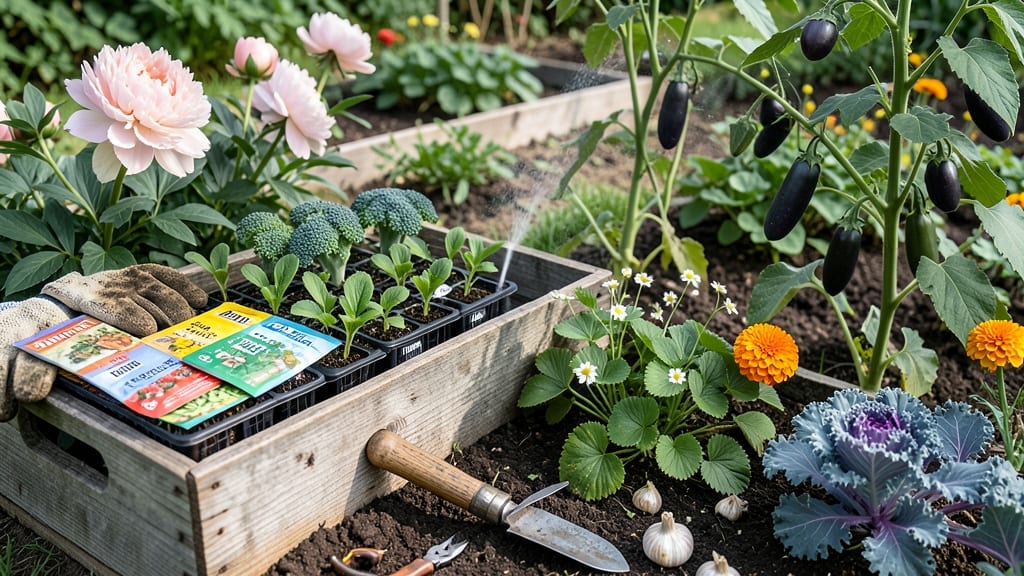
Timing your garden planting in Oregon wrong could mean the difference between a bountiful harvest and a sad pile of wilted 🌱 General Garden Plants.
With frost dates shifting from late February in the Willamette Valley to April in the High Desert, getting those seeds in the ground at the right moment is everything.
I’ve spent years watching gardens thrive—and fail—because of planting schedules that didn’t match Oregon’s 7b-9a zones. The key isn’t just knowing what to plant, but when to plant it, whether you’re in coastal fog or inland heat.
Let me break down the exact windows for cool-season crops like kale and warm-season stars like tomatoes.
You’ll discover how to adjust for microclimates, avoid common mistakes, and even extend your growing season with simple tricks. No more guessing—just reliable, zone-specific deadlines so your garden becomes the envy of the neighborhood.
Ready to turn your green thumb into a game-changer? Let’s get those plants in the soil at the perfect moment—before the next frost rolls in.
Oregon planting deadlines by USDA Zone: exact dates for vegetables, flowers, and herbs
Oregon’s USDA Zones 7-9 create a gardening goldmine—but only if you plant at the right time. The last frost dates vary wildly from Portland’s Willamette Valley (Zone 8) to the high desert’s Bend (Zone 7), where nights stay chilly weeks longer.
Get these dates wrong, and your tomatoes might freeze or your kale bolt in the heat.
I’ve broken down the critical planting windows for Oregon’s most popular crops, using Oregon State University Extension data. Whether you’re growing cool-season greens or heat-loving peppers, these deadlines ensure your garden thrives—not just survives.
Pro tip: Coastal areas like Astoria (Zone 8b) can plant 2-3 weeks earlier than inland zones.
🌱
Oregon Planting Deadlines by USDA Zone
| Zone & Location | Last Frost Date | First Frost Date | Cool-Season Planting Window | Warm-Season Planting Window |
|---|---|---|---|---|
| Zone 7a (High Desert: Bend, La Pine) | May 15 | October 1 | March 1 – April 30 | June 1 – July 15 |
| Zone 7b (Eastern OR: Pendleton) | April 20 | September 20 | February 15 – April 15 | May 15 – July 1 |
| Zone 8a (Western OR: Eugene, Salem) | March 15 | November 1 | January 15 – April 15 | April 15 – July 15 |
| Zone 8b (Portland, Willamette Valley) | February 28 | October 31 | January 1 – April 30 | April 1 – August 1 |
| Zone 9a (Southern OR: Medford, Ashland) | February 15 | December 1 | December 1 – May 15 | March 1 – September 1 |
| Zone 9b (Coastal: Newport, Florence) | January 31 | November 15 | November 1 – May 31 | February 15 – October 1 |
*Dates based on 30-year averages from Oregon State University. Adjust for microclimates!
For cool-season crops like lettuce, spinach, and peas, aim to plant 4-6 weeks before your last frost date. In Zone 7a (Bend), that means starting seeds indoors by February 1 for an outdoor transplant by March 15. Meanwhile, warm
How to adjust planting times for Oregon’s microclimates: coastal vs. Willamette Valley vs. High Desert
Oregon’s microclimates can vary dramatically within just 50 miles, making a one-size-fits-all planting schedule a recipe for failure. I’ve seen coastal gardens in Astoria thrive with late-May plantings while High Desert growers in Bend need to start tomatoes by April 15 to avoid frost.
The key is understanding how elevation, fog patterns, and soil warming shift planting windows across the state.
Let’s break down the three critical regions—Coastal, Willamette Valley, and High Desert—and how their unique conditions demand different planting strategies. Whether you’re battling coastal fog or inland heatwaves, these adjustments will keep your garden on track for a reliable harvest.
| Region | Last Frost Date | First Frost Date | Soil Warms To 60°F | Key Adjustments |
|---|---|---|---|---|
| Coastal (Astoria, Cannon Beach) | Late May - Early June | Mid-October | Late June | Plant warm-season crops after June 15; use row covers for early starts. |
| Willamette Valley (Portland, Eugene) | Mid-April - Early May | Late October | Early May | Start cool-season crops by March 1; transplant tomatoes after May 10. |
| High Desert (Bend, La Pine) | Late April - Early May | Early October | Mid-April | Plant early potatoes by March 15; protect with cold frames for late starts. |
If you’re in the Coastal region, don’t be fooled by mild winters—your soil stays cold longer due to marine layer fog. I’ve seen gardeners rush to plant peppers in early May only to watch them wilt from nighttime chills.
Wait until after June 15 for heat-loving plants, and consider black plastic mulch to warm the soil faster.
In the Willamette Valley, where I garden, the last frost date can swing by two weeks from year to year. To hedge your bets, I recommend planting cold-hardy crops like kale and peas by March 1, even if the ground is still damp.
For tomatoes and eggplants, wait until after May 10—trust me, your plants will thank you.
The High Desert presents its own challenges with rapid temperature swings and dry soils. Here, succession planting is your best friend. Start cool-season crops like spinach in March, then follow with warm-season crops like beans in May.
Use drip irrigation to prevent moisture stress, and always have row covers on hand for unexpected late frosts.
Pro tip: Check Oregon State University’s frost-free date maps (updated annually) for your exact location. Even within the Willamette Valley, Portland’s urban heat island can push last frost dates 1-2 weeks earlier than rural areas.
When in doubt, plant a little late—your garden will recover faster from a delayed start than it will from a frost bite.
🌱