Planting
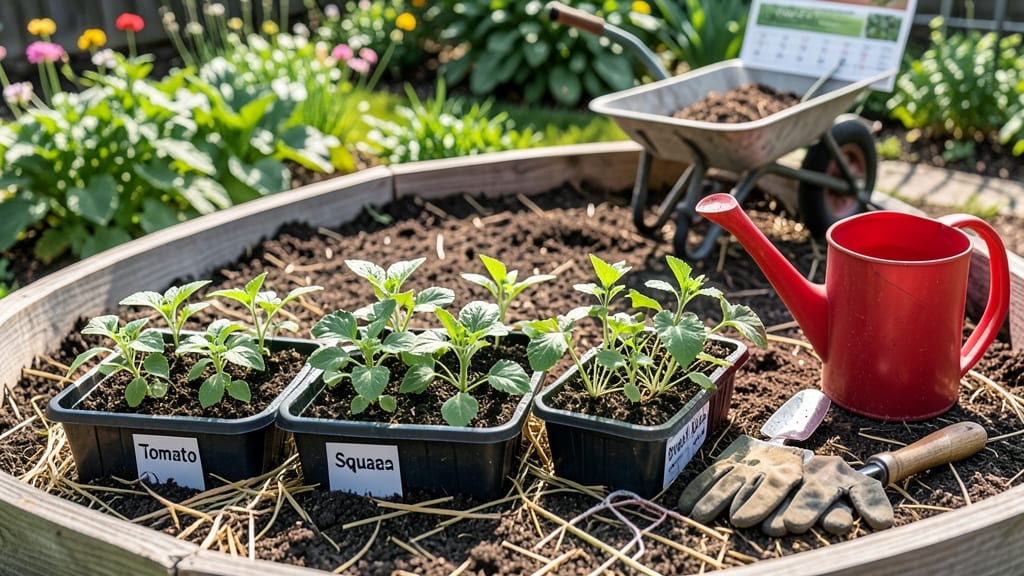
Timing when to plant a garden in Arkansas just right can mean the difference between a bountiful harvest and a total loss to frost. With its unique USDA zones ranging from 6b to 8a, Arkansas gardeners need precise planting windows to avoid common mistakes that waste time and resources.
I’ve spent years working with local farmers and gardeners to pinpoint the exact moments when soil temperatures and frost patterns align perfectly for planting.
Whether you're in the cooler hills of the north or the warmer southern plains, knowing when to plant your 🌱 garden ensures your vegetables and flowers thrive.
From cool-season crops like lettuce and broccoli to heat-loving tomatoes and peppers, each plant has its own ideal window. This guide breaks down the best months for planting in Arkansas, including region-specific tips to maximize your garden’s potential and avoid costly errors.
Let’s dive into the science behind Arkansas’s frost dates and discover how to plan your garden for zero-frost success, no matter where you live in the state.
Arkansas planting zones explained: when to plant by region and last frost dates
Arkansas spans USDA zones 6b to 8a, meaning gardeners in the northern Ozark Mountains face different frost risks than those in the southern Delta region. Understanding these zones helps you align planting with last frost dates—the critical moment after which warm-season crops can safely go into the ground.
Northern Arkansas (e.g., Fayetteville in Zone 7a) typically sees its last frost around April 15, while southern cities like Little Rock (Zone 7b) average March 20-30. The Delta region (e.g., Texarkana, Zone 8a) often enjoys frost-free soil by February 28, giving gardeners a head start.
Here’s how these zones translate into actionable planting windows:
| Region | USDA Zone | Last Frost | First Frost | Cool-Season Planting | Warm-Season Planting |
|---|---|---|---|---|---|
| North Arkansas (Fayetteville, Rogers) | 7a | April 15 | October 31 | March 1 - April 15 | May 1 - June 15 |
| Central Arkansas (Little Rock, Conway) | 7b | March 20-30 | November 1 | February 15 - March 31 | April 15 - May 31 |
| South Arkansas (El Dorado, Texarkana) | 8a | February 28 | November 15 | January 15 - February 28 | March 15 - April 30 |
Cool-season crops like lettuce, spinach, and peas thrive when planted 4-6 weeks before your last frost date. For example, in Little Rock (Zone 7b), start these by February 15 to ensure harvests before summer heat sets in.
Warm-season crops such as tomatoes, peppers, and squash need soil temperatures above 60°F. In northern Arkansas, wait until after May 1 to transplant seedlings, while southern gardeners can start as early as March 15.
Pro tip: Use Arkansas Cooperative Extension’s frost date maps for hyper-local precision. Their data accounts for microclimates like river valleys (warmer) or mountain slopes (cooler) that can shift frost dates by 1-2 weeks.
First-time Arkansas gardeners often overlook first frost dates, which determine when to sow fall crops like broccoli or kale. In Zone 7a, aim for August 15 plantings to harvest before October’s chill.
For container gardening, adjust timing by 1-2 weeks earlier—pots warm up faster than soil, giving you a slight edge in cooler zones like Fayetteville.
🌱
Best months to plant common Arkansas vegetables: a seasonal planting calendar
Arkansas’s long, humid summers and mild winters create perfect conditions for a year-round garden, but knowing exact planting windows separates success from disappointment.
My seasonal calendar breaks down when to plant cool-season crops (like lettuce and peas) versus warm-season favorites (tomatoes and peppers) to align with Arkansas’s last frost dates and heat spikes.
For cool-season vegetables, I start seeds indoors in February for early spring plantings. Hardy greens like kale and spinach can handle light frosts, but tender crops like broccoli need protection until mid-April in Zone 6b areas (north Arkansas).
Meanwhile, warm-season crops like squash and okra thrive when soil temps hit 65°F+, typically by late April to early May.
🌱 Arkansas Planting Calendar by Month
| Month | Cool-Season Crops | Warm-Season Crops | Special Notes |
|---|---|---|---|
| February | Start spinach, lettuce indoors | - | Use grow lights for seedlings |
| March | Direct-sow peas, radishes | - | Cover with row fabric for frost |
| April | Plant broccoli, cabbage after last frost | Transplant tomatoes, peppers after soil warms | Soil temp must be 60°F+ |
| May | Harvest cool-season crops | Direct-sow squash, beans | Watch for aphids on new growth |
| June-August | - | Plant okra, sweet potatoes | Mulch to retain moisture |
| September | Direct-sow kale, turnips for fall | Plant pumpkins, cucumbers early | Extend season with row covers |
Don’t overlook fall planting—Arkansas’s mild winters let you grow cool-season crops like garlic and onions until October. For warm-season crops, succession planting every 2 weeks in June-July ensures continuous harvests of okra and peppers, which love Arkansas’s heat.
Pro tip: Use the Arkansas Cooperative Extension’s frost maps to pinpoint your local last frost date. In Zone 7a (south Arkansas), you can plant tomatoes a full 2 weeks earlier than in Zone 6b (north Arkansas). Timing is everything—get it right, and you’ll enjoy homegrown harvests year-round!
For container gardening, start herbs like basil and peppers indoors in March and move them outside after May 1. Containers warm up faster than garden beds, giving you a head start on the season.
🌱