
Flowers
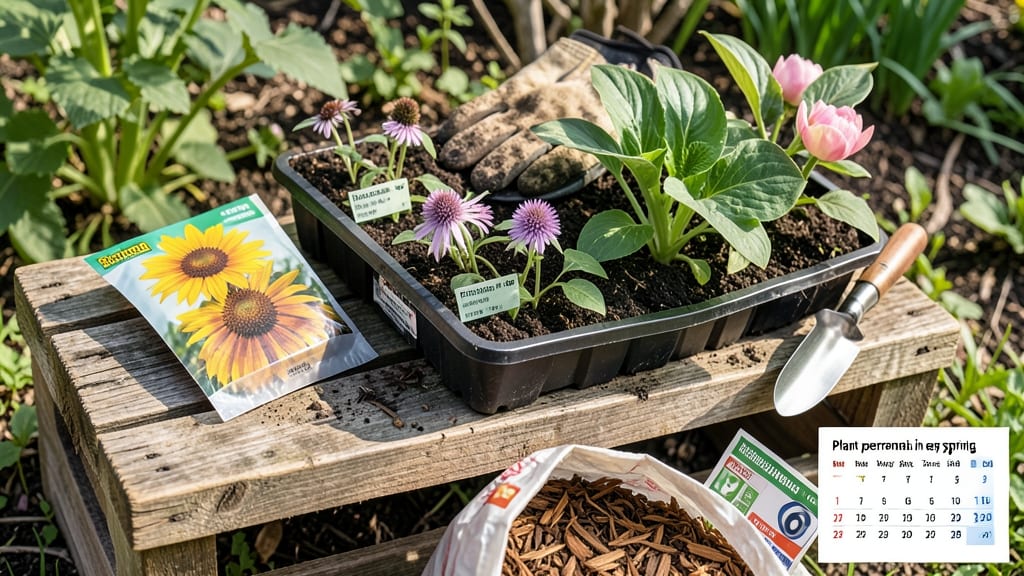
Timing your flower planting in Pittsburgh isn’t just about avoiding frost—it’s about unlocking the full potential of your garden when the soil warms and the days lengthen. With Zone 6b conditions, those late-March chills can turn eager gardeners into impatient ones, but patience here pays off in vibrant blooms.
I’ve seen firsthand how a single week too early can mean wilted petunias, while planting just right delivers months of color. The key? Understanding Pittsburgh’s April 15 last-frost average and how microclimates—like urban heat islands—can shift your planting window by weeks.
Whether you’re dreaming of annuals bursting in May or perennials returning year after year, this guide cuts through the guesswork. You’ll learn exactly when to tuck in bulbs for spring surprises, when to sow heat-loving marigolds, and how to stretch your season with simple tricks.
Let’s turn your garden’s timeline from a gamble into a guarantee—no more frost surprises, just flourishing flowers from spring through fall.
Pittsburgh’s frost dates and ideal planting windows by flower type
Pittsburgh’s USDA Zone 6b means your flower garden straddles the line between cold-hardy and heat-sensitive varieties. The average last frost date hovers around April 15, but urban areas like the North Side can experience frost 2 weeks later than rural Allegheny County.
To avoid frost damage, I’ve broken down planting windows by flower type—annuals, perennials, and bulbs—so you can align your schedule with Pittsburgh’s quirky weather patterns.
For annual flowers, wait until after May 1 to plant heat-lovers like marigolds and zinnias, but cold-tolerant pansies and snapdragons can handle late March if soil temps stay above 40°F.
Perennials like coneflowers and black-eyed Susans thrive when planted in early spring (April) or early fall (September), while bulbs like tulips and daffodils need a fall planting (September-October) for spring blooms.
🌱Pro Tip: Use a soil thermometer—plant when soil reaches 60°F+ for annuals and 50°F+ for perennials. Pittsburgh’s clay-heavy soil warms slowly, so don’t rush!
| Flower Type | Best Planting Window | Soil Temp Requirement | Notes for Pittsburgh |
|---|---|---|---|
| Annuals (Marigolds, Zinnias) | After May 1 | 60°F+ | Urban areas: wait until May 15. |
| Cold-Hardy Annuals (Pansies, Snapdragons) | Late March (if no frost risk) | 40°F+ | Use row covers for early March plantings. |
| Perennials (Coneflowers, Black-Eyed Susans) | April or September | 50°F+ | Fall planting = stronger roots for spring. |
| Bulbs (Tulips, Daffodils) | September-October | 55°F+ | Plant 6 weeks before first frost for best blooms. |
| Heat-Loving Annuals (Petunias, Geraniums) | After May 15 | 65°F+ | Start indoors in March for earlier blooms. |
Pittsburgh’s microclimates play a huge role in timing. For example, Mount Washington (Zone 6a) can frost 2 weeks later than Squirrel Hill (Zone 6b). If you’re in a low-lying area, like the Monongahela Valley, wait until May 10 for heat-lovers.
Meanwhile, urban gardeners with concrete heat islands can plant marigolds as early as April 20—just monitor soil temps closely.
For fall planting, aim for August 15–September 15 to give flowers time to establish roots before winter. Cool-season crops like pansies and calendulas can even handle late September plantings if you use mulch for insulation.
The key is soil temperature: once it drops below 50°F, root growth slows dramatically.
🌿Local Insight: Check the National Weather Service Pittsburgh for frost advisories. Their 10-day forecasts are more reliable than generic zone guides for predicting late frosts.
How to adjust planting for Pittsburgh’s microclimates and soil conditions
Pittsburgh’s urban vs. rural areas can feel like two different gardens—city heat islands warm up faster, while rural spots stay cooler longer. Microclimates shift planting windows by 1-2 weeks, so adjust your schedule based on your yard’s exposure.
South-facing beds warm up 2-3 days earlier than north-facing ones, while shady spots may need row covers to extend the season.
Before planting, test your soil’s warmth and drainage. Stick your finger 3 inches deep—if it feels 60°F+ (like a warm bath), annuals are ready. Cold soil slows root growth, leaving flowers vulnerable to rot or frost damage.
In containers, soil warms faster than ground soil, so you can plant 1-2 weeks earlier than in beds.
🌱 5 Key Adjustments for Pittsburgh Gardens
- Urban heat islands: Plant heat-loving flowers (e.g., lantana, zinnias) 1 week earlier than rural areas.
- Shady spots: Choose shade-tolerant varieties like impatiens or foxgloves and use black plastic mulch to warm soil.
- Containers: Soil warms faster—plant pansies or petunias 2 weeks before ground planting.
- Drainage fixes: Amend clay soil with compost or sand to prevent root rot in heavy rains.
- Row covers: Extend spring by 3-4 weeks for cold-sensitive flowers like marigolds or cosmos.
Pittsburgh’s clay-heavy soil drains poorly, so improve it with organic matter like compost or aged manure. Raised beds solve drainage issues and warm up 2-3 weeks faster than in-ground soil. For container gardening, use well-draining mixes with perlite or vermiculite to mimic ideal conditions.
If your yard has frost pockets (common in low-lying areas), wait until May 1 to plant tender annuals like begonias or geraniums. Use a frost blanket for 1-2 weeks after planting to protect young shoots. Mulch with straw (not leaves) to insulate roots and retain moisture during dry spells.
For fall planting, aim for 6-8 weeks before first frost (early September). Cool-season flowers like pansies or snapdragons thrive when planted in well-drained soil with consistent moisture. Avoid overwatering—soggy soil in fall can rot roots before winter.
Pro tip: Use a soil thermometer to track warmth—55°F is ideal for cool-season crops, while 65°F+ is needed for heat-lovers like sunflowers or zinnias. Adjust your schedule based on real data, not just calendar dates! 🌿