
Flowers
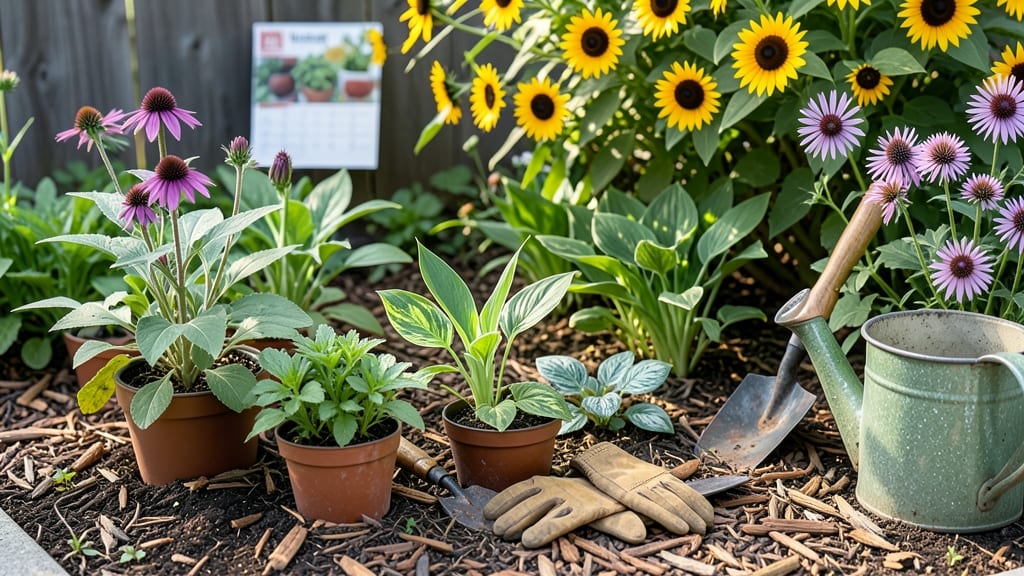
Timing your flower planting in New Hampshire isn’t just about the calendar—it’s about beating frost, outsmarting NH’s 5a-6b climate, and ensuring your 🌸 blooms thrive when others fail.
Most gardeners wait until after the last frost (around May 10), but perennials and annuals play by different rules. Planting too early risks frost damage, while waiting too long cuts your blooming season short.
I’ll break down the exact windows for perennials (hardy survivors) vs. annuals (heat-lovers), plus how to extend your season with cold-resistant picks like pansies and coneflowers.
Ready to turn your NH garden into a year-round showstopper? Let’s dive into the science—and shortcuts—behind planting for zero-frost success.
New Hampshire frost dates by region: best planting windows for perennials vs annuals
New Hampshire’s USDA Zones 4-5 mean frost dates vary dramatically—from early May in southern NH to late May in the White Mountains. These differences dictate whether your tender annuals or hardy perennials will survive. For example, petunias (Zone 10) need frost protection, while coneflowers (Zone 3) thrive without it.
To avoid late-spring freezes (common in NH until May 15), wait until soil temperatures hit 60°F+—use a soil thermometer! In northern NH, this could mean waiting until early June for heat-loving plants like marigolds or geraniums.
Southern NH gardeners can plant cool-season annuals like pansies as early as April 15.
Fall planting is another game-changer. Bulbs like tulips must go in by October 10 (before ground freezes), while spring-blooming perennials (e.g., peony) can handle late-October planting. The key? Mulch heavily (3–4 inches) to insulate roots.
Visual Tip: Bookmark the NH Frost Date Map from the NH Agricultural Experiment Station—it updates weekly during spring transitions.
NH Planting Windows by Flower Type
| Flower Type | Planting Window | Frost Risk | Notes |
|---|---|---|---|
| Hardy Perennials | April 15–May 10 | Low (Zone 3–5) | Coneflowers, black-eyed Susans |
| Tender Perennials | May 20–June 1 | High (Zone 6–9) | Lavender, Russian sage |
| Cool-Season Annuals | April 1–May 15 | Moderate | Pansies, snapdragons |
| Heat-Loving Annuals | May 15–June 10 | High | Marigolds, petunias |
| Fall-Blooming Bulbs | September 1–October 10 | Low | Daffodils, crocus |
Adjust dates 1–2 weeks earlier for southern NH, later for northern regions.
For container gardening, you can push limits slightly—pots warm up faster than soil. Start tender annuals indoors by March 1 and transplant after May 15. But watch for nighttime temps below 50°F—these can still damage young plants.
Pro NH gardeners swear by the "10-day rule": Wait 10 days after the average last frost date before planting heat-lovers. Check local Cooperative Extension reports for real-time updates—NH’s microclimates can shift frost dates by 2+ weeks between valleys and mountaintops.
Don’t forget fall planting for next year’s blooms! Spring-blooming bulbs (like tulips) need 6–8 weeks of chill—plant them by October 15 in southern NH or October 1 in the north. For perennials, divide clumps in early fall (September) to give roots time to establish before winter.
Use row covers or cold frames to extend your season by 2–3 weeks in spring or fall. These work wonders for tender perennials like salvias or canna lilies, letting you plant 3 weeks earlier in spring or 2 weeks later in fall without frost damage.
Remember: Soil temperature matters more than air temperature. A 60°F soil is ideal for most flowers—colder soils slow germination. Use a soil thermometer ($10 at garden centers) to avoid guesswork. In northern NH, this might mean waiting until late May for warm-season plants.
For annuals, succession planting is key. Sow cool-season varieties (like lettuce or kale) every 2 weeks from April to June, and heat-lovers every 3 weeks from June to August. This ensures continuous blooms all season.
🌱
How to extend your NH flower season: cold-hardy annuals and perennials that thrive without frost protection
New Hampshire’s short growing season doesn’t mean you’re stuck with a boring flower garden. The key to longer blooms lies in choosing cold-hardy annuals and perennial workhorses that shrug off frost. These plants not only survive NH’s Zone 4-5 winters but often rebound stronger in spring.
My top picks include pansies, snapdragons, and coneflowers, which handle 28°F temperatures without batting an eye.
For perennials, focus on native species like black-eyed Susans and Russian sage. These beauties return year after year, even after October’s first frost. Annuals like pansies and violas can handle light frosts and even bloom in early spring before most gardeners dare to plant.
The secret? Mulching with 3-4 inches of straw or wood chips insulates roots, while windbreaks (like evergreen hedges) protect tender stems.
🌱 Pro Tip: Fall-planted bulbs (like tulips and daffodils) need to be in the ground by mid-October to establish roots before winter. For spring-planted flowers, wait until soil temps hit 60°F—usually mid-May in most of NH.
Use a soil thermometer (just $10 at garden centers) to avoid guessing.
To push your planting windows, use black plastic mulch in spring—it warms soil 5-10°F faster than bare earth.
For fall color, plant mums (chrysanthemums) in late summer (August) so they bloom before frost. Avoid tender annuals like geraniums or impatiens—they’ll bolt or die if temps dip below 50°F at night.
Instead, opt for hardy geraniums (cranesbill) or heuchera (coral bells), which handle Zone 4 winters with ease.
🌿 Microclimate Hack: South-facing slopes warm up 2-3 weeks earlier than shaded areas. Plant early bloomers (like crocuses) here first, then move to shadier beds with late-season flowers (e.g., asters).
In northern NH (Zone 4a), add extra mulch—6 inches of straw can protect roots down to 10°F. For containers, wrap pots in bubble wrap or use self-watering planters to prevent freeze-thaw damage.
With these frost-proof flowers and a few smart strategies, your NH garden can bloom from May until October—no frost worries required! Start with 3-5 cold-hardy varieties, then expand as you master the timing. The key? Plant early, mulch well, and choose wisely.