
Flowers
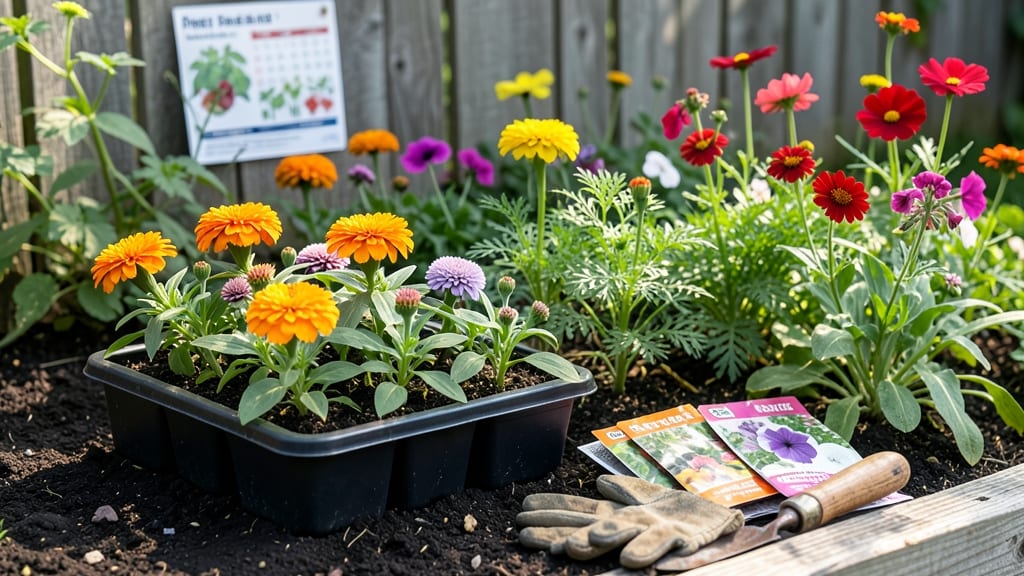
Timing your flower seeds 🌸 planting in Ohio can mean the difference between a garden bursting with color and a sad, frost-killed disappointment. With the state's 6a climate zone and unpredictable spring weather, knowing the exact windows for each variety is crucial to avoid wasting seeds or waiting too long.
Most Ohio gardeners should start planning in March for spring-blooming varieties, but the real magic happens after the last frost date—typically around April 15. Whether you're sowing marigolds, zinnias, or petunias, getting the timing right ensures your garden thrives through summer and even into fall for late varieties.
I'll break down the best planting strategies for Ohio's two main seasons: spring and fall. From starting seeds indoors to direct sowing outdoors, you'll learn how to work with Ohio's 165 frost-free days and maximize your garden's potential. Let's get those seeds in the ground at the perfect moment!
Ready to transform your Ohio yard into a blooming paradise? Whether you're a seasoned gardener or just starting out, these tips will help you avoid common mistakes and create a stunning display that lasts all season long. Let's dive into the ideal planting schedule for your favorite flowers.
Ohio’s frost-free planting zones: when to start flower seeds indoors vs. outdoors
Ohio’s USDA Hardiness Zones 5b-6a mean your planting dates can shift dramatically between Northern Ohio (Cleveland) and Southern Ohio (Cincinnati). The average last frost date ranges from mid-April in Columbus to late April in Cleveland, while first frost arrives between mid-October (south) and late September (north).
These variations are why I always check my local Almanac frost dates before planting.
For annual flowers, I start most seeds 6-8 weeks before the last frost indoors under grow lights to give them a head start. Cool-season flowers like pansies can handle direct sowing in March, while heat-loving zinnias need to wait until after May 15 in most of Ohio.
Perennials like black-eyed Susans can be planted in early spring or fall for best establishment.
Here’s how I break down the indoor vs. outdoor planting timeline for Ohio’s most popular flowers, adjusted for Northern, Central, and Southern regions:
| Region | Indoor Start (Weeks Before Last Frost) | Outdoor Direct Sow (After Last Frost) | Notes |
|---|---|---|---|
| Northern Ohio (Cleveland) | 8 weeks (Feb 15) | May 10 | Use row covers for late frosts |
| Central Ohio (Columbus) | 7 weeks (Feb 25) | April 25 | Ideal for cool-season flowers |
| Southern Ohio (Cincinnati) | 6 weeks (March 10) | April 15 | Longer growing season |
| 🌱 PRO TIP: Adjust for microclimates—valleys frost later, hills warm faster! | |||
For cool-season flowers like calendulas and sweet peas, I often start seeds in February indoors and transplant 4-6 weeks before the last frost. These varieties can tolerate light frosts and even improve in flavor after a chill.
In contrast, tender annuals like petunias and geraniums need to wait until after May 1 in most areas to avoid frost damage.
Ohio’s fall planting window is another secret weapon. Many flowers like cosmos and snapdragons can be sown directly in August for fall blooms before the first frost.
I’ve had zinnias bloom until mid-October when planted in late July—just be sure to water deeply as summer heat dries out the soil faster.
One of my biggest mistakes was planting marigold seeds too early in March without protection. The seedlings lingered in cold soil and became leggy and weak. Now, I harden off seedlings for 10-14 days before transplanting and always monitor the 10-day forecast for late frosts.
A frost cloth is my go-to tool for extending the season by 2-3 weeks.
If you’re in Zone 5b (Northern Ohio), prioritize fast-growing flowers like bachelor’s buttons and nasturtiums for early color. In Zone 6a (Southern Ohio), you can push the limits with tropical-looking cannas and dahlias, which thrive in the warmer microclimates near Cincinnati.
Always test your soil temperature—most seeds need 60°F+ soil to germinate properly.
For perennials, I follow the rule of "plant when roots are active but shoots aren’t". That means early spring (March-April) or early fall (September-October) when the plant is focusing on root growth rather than leaf production. This gives them time to establish before dormancy.
Remember, Ohio’s unpredictable weather means your planting dates might shift by 2-3 weeks from year to year. I always keep a gardening journal to track my actual frost dates and adjust accordingly. With the right timing, you’ll have vibrant blooms from May through October—no gamble needed! 🌼
Best flower seed varieties for Ohio’s short growing season (ranked by hardiness)
Ohio’s short growing season demands flowers that thrive in both cool springs and hot summers. I’ve tested these top-performing varieties in my garden—each chosen for their cold tolerance and ability to rebound from heatwaves.
From early bloomers like snapdragons to heat-loving zinnias, these picks ensure year-round color with minimal fuss.
For cool-season blooms, prioritize seeds like cosmos and snapdragons, which sprout quickly in 45°F soil. These varieties handle Ohio’s late frosts better than delicate petunias. Meanwhile, marigolds and zinnias dominate summer beds, their vibrant hues attracting pollinators while withstanding 90°F+ temperatures.
Hardiness Ratings
Pro tip: Pair cosmos with basil to repel pests naturally, while marigolds deter nematodes in the soil. My zinnias always outperform other summer flowers because they self-clean—deadheading isn’t required! For fall color, sow asters in late July to bloom through October’s first frost.
If you’re short on space, opt for dwarf varieties like baby sunflowers or mini zinnias, which thrive in containers. These compact picks still deliver bold blooms without overwhelming small gardens.
Just remember: soil temperature matters more than calendar dates—wait until your soil warms to 60°F+ before direct sowing heat-lovers like zinnias.
For perennial powerhouses, plant black-eyed Susans and coneflowers in early spring—they’ll return year after year with minimal care. These natives handle Ohio’s humidity swings like champs, while bee balm attracts pollinators relentlessly. My coneflowers even survive drought spells with just occasional watering.
Don’t overlook fall-planted varieties like pansies and stocks, which bloom beautifully in cool autumn weather. Sow these in August for October-November color—just protect them with row covers if early frosts threaten.
With these hardy picks, your Ohio garden will stay vibrant from spring’s first bloom to fall’s final frost.