
Flowers
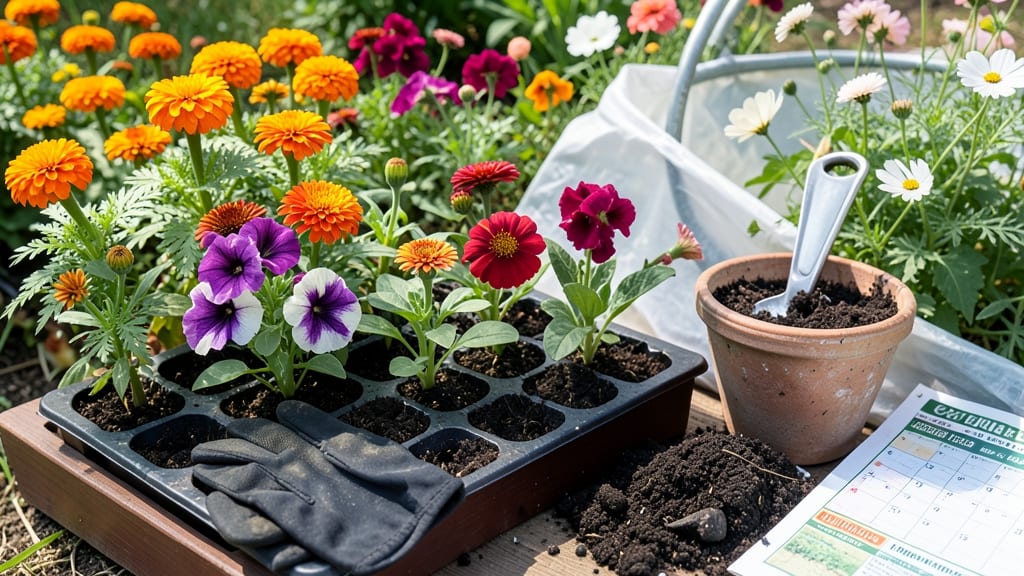
Timing your flower seed planting in Michigan isn’t just about following a calendar—it’s about outsmarting Mother Nature’s unpredictable swings. One week too early, and a late frost could turn your tender seedlings into sad, blackened memories.
But get it right, and you’ll be rewarded with 🌸 blooms that steal the show from June through October.
Michigan’s USDA zones 5b-6b mean your neighbors might be planting while you’re still shoveling snow—or vice versa. The last frost date (usually around April 15 in most areas) is your golden rule, but even that varies wildly between Detroit’s urban heat islands and the Upper Peninsula’s chillier climes.
That’s why knowing your microclimate is the key to avoiding those heartbreaking “too soon” mistakes.
Here’s the game-changer: whether you’re starting seeds indoors 6-8 weeks before that last frost or sowing directly into warmed soil, the right timing turns guesswork into a foolproof plan.
We’ll break down exactly when to plant everything from hardy pansies to heat-loving zinnias—plus how to adjust when Michigan’s infamous “black frost” throws you a curveball.
Ready to skip the trial-and-error? Let’s dive into the frost-date cheat sheet that’ll have your garden thriving—no matter where in Michigan you’re digging in the dirt.
Michigan flower seed planting timeline by last frost date zones
Michigan’s last frost dates vary dramatically—from early April in southern Michigan to late May in the Upper Peninsula. These differences mean your flower seed planting timeline should shift based on your USDA Zone (4-6).
For example, Detroit gardeners can start marigolds outdoors by May 1, while Traverse City waits until May 15. Understanding these zones helps you avoid late frost damage and maximize bloom time.
Most Michigan gardeners divide their year into two key planting windows: spring (after last frost) and fall (before first frost). Annual flowers like zinnias and cosmos thrive when sown 4-6 weeks before last frost, while perennials like coneflowers can handle cooler soil.
The average frost-free period in Michigan spans 150 days, but your local microclimate—like a south-facing slope—can extend it by weeks.
Here’s how to use Michigan’s last frost dates as your planting guide, broken down by zone and flower type:
| Zone & Location | Last Frost Date | Best Time to Plant Seeds | Example Flowers |
|---|---|---|---|
| Zone 6b (Detroit, Ann Arbor) | April 15 | March 15 (indoors) / May 1 (outdoors) | Marigolds, Petunias, Snapdragons |
| Zone 5b (Grand Rapids, Lansing) | April 25 | March 1 (indoors) / May 10 (outdoors) | Pansies, Calendula, Sunflowers |
| Zone 4b (Upper Peninsula) | May 15 | April 1 (indoors) / May 20 (outdoors) | Lupines, Foxgloves, Coreopsis |
| All Zones (Fall Planting) | October 15 | August 1 (outdoors) | Alyssum, Sweet Alyssum, Bachelor’s Buttons |
For cold-hardy flowers, like pansies or snapdragons, you can start seeds indoors 8-10 weeks before last frost to give them a head start. These varieties tolerate light frosts and often bloom earlier than heat-loving annuals.
In contrast, tender perennials like black-eyed Susans should wait until soil warms to 50°F (10°C), typically 2-3 weeks after last frost.
Michigan’s Upper Peninsula faces unique challenges due to its shorter growing season. Gardeners here often prioritize fast-growing annuals like zinnias (30-40 days to bloom) or cosmos (60 days) to maximize summer color.
Meanwhile, southern Michigan can squeeze in two planting seasons: early spring for cool-loving flowers and late summer for fall-blooming varieties like asters.
Don’t overlook fall planting—it’s a smart way to extend your bloom time. Seeds sown in August often produce hardy flowers that survive light frosts and brighten up late-season gardens.
Choose cold-tolerant varieties like sweet alyssum or stock, which thrive in cooler temperatures and even light snow.
Pro tip: Use a frost calendar from your local Michigan State University Extension office for hyper-local advice. These resources account for microclimates, like urban heat islands or protected garden spots, which can shift frost dates by 1-2 weeks.
For example, a south-facing garden bed might warm up 3 days earlier than a north-facing one.
If you’re unsure about your last frost date, err on the side of caution. Row covers or cold frames can protect young seedlings from late spring frosts, which are common in Michigan as late as May 10.
Always monitor local weather forecasts and have a plan to cover vulnerable plants if frost is predicted.
Start with one or two test plants in early spring to gauge your local conditions. This way, you’ll know exactly when your garden is safe from frost—and when to expand your plantings with confidence. Happy planting! 🌸
Michigan flower seed planting timeline by last frost date zones
Michigan’s last frost dates vary dramatically—from early April in southern Michigan (like Detroit) to late May in the Upper Peninsula. This means your flower seed planting window shifts by weeks depending on where you live.
For most of the state, aim for mid-April to mid-May for direct sowing, but always verify your local frost-free date using the Michigan State University Extension frost maps.
If you’re growing annual flowers like marigolds or zinnias, start seeds indoors 6-8 weeks before your last frost date. For cold-hardy perennials (e.g., coneflowers or black-eyed Susans), you can sow directly outdoors as early as late March in warmer zones or wait until mid-April in colder areas.
🌱Pro Tip: Use row covers or a mini greenhouse to extend your planting window by 2-3 weeks in early spring.
For fall planting, aim to sow seeds 8-10 weeks before your first frost (typically August 1 - September 15). Cool-season flowers like pansies and snapdragons thrive in Michigan’s autumn temperatures and often bloom until snowfall.
🌿Remember: Soil temperature matters just as much as air temperature. Use a soil thermometer—seeds need soil at 50°F (10°C) or warmer to germinate properly.
If you’re unsure about your exact frost dates, check the Michigan State University Extension or use the National Gardening Association’s frost calculator. These tools account for your specific location’s microclimate, ensuring your flower seeds get the best possible start.