
Trees
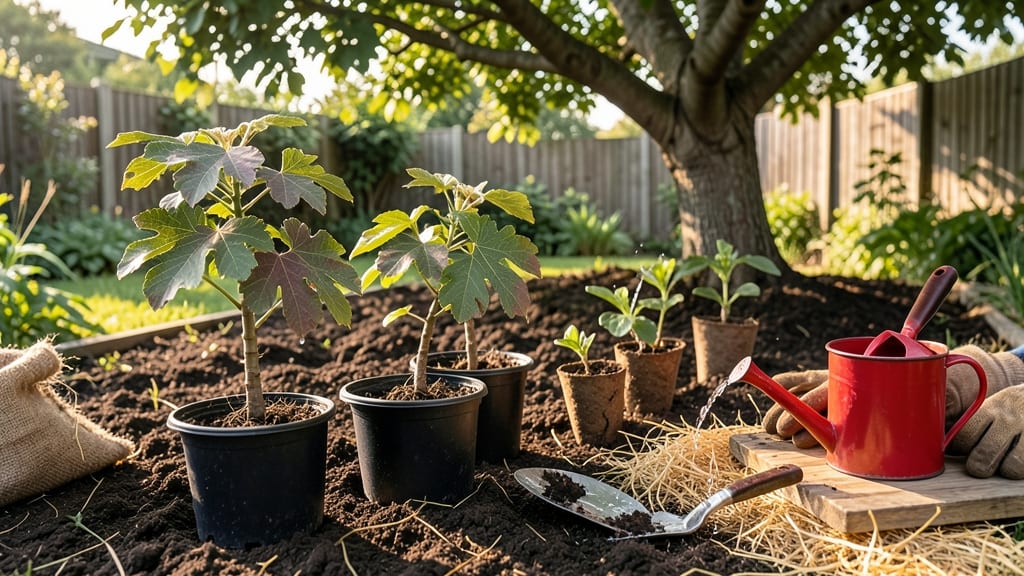
Best planting months for fig trees in Georgia’s climate zones
Fig trees thrive in Georgia’s warm climate, but planting them at the wrong time can stunt growth or even kill young trees. The Peach State’s USDA zones 7a-8b offer two ideal planting windows: late winter to early spring and late summer to early fall.
These periods align with Georgia’s frost-free periods and soil temperature trends, giving your fig tree the best chance to establish strong roots before extreme weather hits.
For most of Georgia, the primary planting window is from February through March, right after the last average frost date (typically around March 15). This timing lets the tree grow vigorously during the warm spring months.
The secondary window is August through September, allowing roots to establish before winter dormancy begins. Coastal areas like Savannah may extend these windows slightly due to milder winters.
Container-grown fig trees offer more flexibility than bare-root ones. You can plant them year-round in Georgia’s warmer zones (8a-8b), but avoid extreme heat (June-July) or cold snaps (December-January). If planting in containers, use well-draining pots and move them indoors during winter if temperatures drop below 20°F (-6°C).
This flexibility makes container planting ideal for urban gardeners or those with limited space.
🌱 Georgia Fig Tree Planting Guide by Climate Zone
| Zone | Primary Window | Secondary Window | Key Consideration |
|---|---|---|---|
| 7a (North GA) | March 15–April 15 | September 1–October 1 | Wait for soil to warm above 55°F (13°C) |
| 7b (Central GA) | February 28–March 31 | August 15–September 15 | Avoid late spring frosts (avg. March 15) |
| 8a (South GA) | February 15–March 15 | July 31–September 15 | Extend fall window to early October |
| 8b (Coastal GA) | January 15–March 1 | June 15–October 15 | Plant year-round; protect from hurricanes |
Note: Soil temperature should be at least 60°F (15°C) for optimal root growth. Use a soil thermometer to check before planting.
When planting fig trees in Georgia, soil preparation is just as critical as timing. Figs prefer well-draining soil with a pH between 6.0 and 7.0. Before planting, amend your soil with compost or aged manure to improve drainage and fertility.
If your native soil is heavy clay, consider planting in raised beds or containers to prevent root rot. Mulch around the base with wood chips to retain moisture and regulate soil temperature.
For in-ground planting, dig a hole twice as wide as the root ball but no deeper. Gently remove the tree from its container and loosen any circling roots. Place the tree in the hole so the graft union (if present) is 2–3 inches above soil level.
Backfill with native soil mixed with compost, then water deeply to settle the roots. Stake young trees only if necessary, as figs have strong root systems that stabilize quickly.
If you’re planting bare-root fig trees, soak the roots in water for 1–2 hours before planting to rehydrate them. Spread the roots outward in the planting hole and avoid bending them. For container-grown trees, gently squeeze the sides of the pot to encourage root expansion before planting.
This helps the tree establish faster in its new location. After planting, water thoroughly and apply a 2–3 inch layer of mulch to conserve moisture and suppress weeds.
One common mistake Georgia gardeners make is planting fig trees too early in spring when soil temperatures are still cool. Figs need warm soil to thrive, so wait until the ground reaches at least 60°F (15°C)—usually late March or early April in most of the state.
Another pitfall is ignoring microclimate differences; for example, urban areas like Atlanta can be 5–10°F warmer than rural areas, extending the planting window by a few weeks.
To maximize your fig tree’s success, choose a sunny location with at least 6–8 hours of direct sunlight daily. Figs are drought-tolerant once established, but young trees need consistent moisture during their first year.
Water deeply 2–3 times per week during dry spells, and avoid overhead watering to prevent fungal diseases. With the right timing and care, your fig tree will reward you with sweet, homegrown fruit in just 2–3 years.
How to time fig tree planting for Georgia’s microclimates
Georgia’s diverse landscapes—from the coastal humidity of Savannah to the Piedmont elevations near Atlanta—create unique microclimates that can shift your fig tree’s planting schedule by weeks. Understanding these variations helps you fine-tune planting times for optimal root growth.
For example, urban heat islands in cities like Macon or Athens can push soil temperatures 5–10°F warmer than rural areas, allowing earlier spring planting. Meanwhile, mountainous regions like the Blue Ridge may require delaying until late April to avoid late frosts.
Soil temperature is your best indicator for planting success. Figs need soil at least 60°F (15°C) to thrive, but coastal areas like Brunswick or Tybee Island often hit this mark by mid-February, while inland zones like Rome or Gainesville may not reach it until early April.
Use a soil thermometer to check before planting—this simple tool can save your tree from shock or stunted growth.
Rainfall patterns also play a role. The Piedmont region (e.g., Lawrenceville or Athens) experiences hot, dry summers, so planting in late summer (August–September) lets roots establish before the drought stress of fall.
In contrast, coastal Georgia’s higher humidity means you can extend the fall window into October**, but watch for hurricane risks that could uproot young trees.
🌱 Key Takeaways for Georgia’s Microclimates
Plant 2–3 weeks earlier than rural areas. Soil warms faster in pavement-heated zones.
Extend fall window to October 15. Monitor for salt spray near beaches.
Delay until late April to avoid late spring frosts (avg. March 15).
Follow zone 8a guidelines. Less urban heat = cooler soil in spring.
Pro Tip: If planting in containers, move them to shadier spots during summer to prevent heat stress in urban areas.
Adjusting for microclimates also means watching for local frost risks. While most of Georgia’s first frost hits around November 15, valleys in the Appalachian foothills can see frost as early as October 15.
If you’re planting in late summer (August–September), choose a sheltered location away from cold air pockets. Mulching with straw or wood chips adds an extra 5–10°F of insulation to protect young roots.
For container-grown figs, microclimates matter even more. Urban balconies in Atlanta or Augusta can bake containers to 100°F+ in summer, while shaded patios stay cooler. Use light-colored pots to reflect heat and bury pots partially in the ground to stabilize temperatures.
If winters dip below 20°F (-6°C), move containers to an unheated garage or covered porch—figs can survive brief cold snaps but not prolonged freezing.
One final adjustment: soil drainage varies by microclimate. Heavy clay soils in central Georgia (e.g., Madison or Milledgeville) need raised beds or containers to prevent root rot, while sandy soils in coastal areas may require organic matter additions to retain moisture.
Test your soil’s drainage rate by digging a hole, filling it with water, and timing how long it takes to drain—aim for 2–4 hours for figs.
By accounting for Georgia’s microclimates, you’ll give your fig tree the perfect conditions to establish roots and thrive.
Whether you’re in a humid coastal zone, a hot urban heat island, or a cool Piedmont valley, these adjustments ensure your tree grows strong and productive for years to come.
With the right timing, your fig tree could bear fruit in as little as 2–3 years—and that’s a harvest worth waiting for! 🍈