
Plants
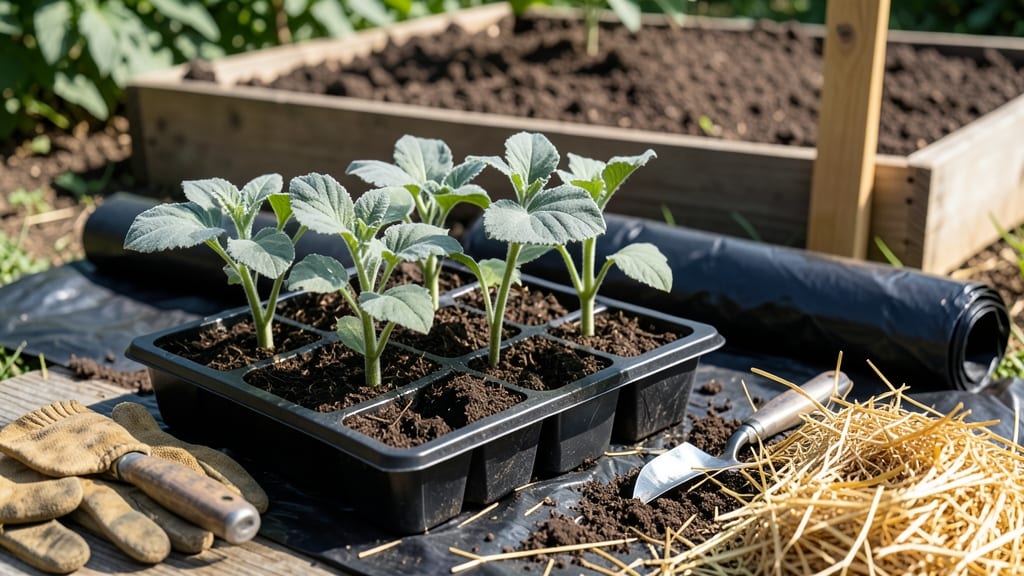
Timing your eggplant planting in North Carolina can mean the difference between a thriving 🍆 harvest and a sad, wilted disappointment. The key? Waiting until after the last frost—typically between April 15 and June 15—when soil temperatures hit at least 70°F for those heat-loving plants.
If you rush it, your eggplants might struggle with cold-sensitive roots or stunted growth, especially in NC’s Zone 7b-8a climate. But get the timing right, and you’ll be rewarded with glossy, firm fruit from July through October—just in time for your favorite dishes.
I’ll break down exactly when to plant based on your local frost dates, how to prep your soil for maximum success, and even how to extend the season if you’re in a cooler pocket of the state. No more guessing—just a foolproof schedule for your garden’s best eggplant season yet.
Ready to turn your backyard into a purple paradise? Let’s dive into the perfect planting window and the secrets to keeping your eggplants happy and productive all summer long.
Best planting dates for eggplant in NC’s zone 7b-8a (with frost risk guide)
North Carolina’s Zone 7b-8a climate gives eggplants a perfect growing season—but timing is critical. The last average frost date in most of NC falls between March 15 and April 15, but eggplants need warm soil (70°F+) and consistent heat to thrive.
Planting too early risks stunted growth or even death from cold snaps.
For a successful harvest, aim to plant eggplants 2-4 weeks after your last frost date. In western NC (Zone 7b), this means mid-April to early May.
In eastern NC (Zone 8a), you can start as early as late March in sheltered microclimates, but wait until April 15 for safety.
If you miss the ideal window, don’t panic! Eggplants are heat-loving annuals, so you can plant successive crops until mid-June. Just ensure your soil stays warm—black plastic mulch can raise soil temps by 5-10°F, giving you an extra 2-3 weeks of planting flexibility.
| Planting Window | Soil Temp Requirement | Frost Risk | Harvest Timeline |
|---|---|---|---|
| Mid-April to Early May | 70°F+ | Low (after last frost) | July - September |
| Late May to Mid-June | 65°F+ (with mulch) | None (late season) | August - October |
| Early April (sheltered areas) | 68°F+ (risky) | Moderate (early frost possible) | June - August |
🌱 NC Eggplant Planting Calendar
Check your local NC State Extension office for precise frost dates—mountains and piedmont regions can vary by 1-2 weeks. For example, Asheville (Zone 7b) averages its last frost on April 15, while Wilmington (Zone 8a) sees frost-free conditions by March 1.
If you’re starting eggplants indoors, begin seeds 8-10 weeks before your last frost date under grow lights. Use biodegradable pots to avoid transplant shock when moving seedlings outdoors. Harden them off for 7-10 days by placing them outside during the day and bringing them in at night.
Pro tip: Use a soil thermometer to confirm temps. Eggplants won’t germinate well below 65°F, and growth slows dramatically under 70°F. Warmer soil = faster, healthier plants!
For container gardening in NC, plant after May 1 to avoid cool nights. Containers heat up faster than soil, but they also dry out quicker—so water consistently and use self-watering pots if possible.
Remember: Eggplants are sensitive to cold, but they’re also fast growers. With the right timing, you can enjoy fresh fruit from July through October—just don’t rush the process!
🌡️ Key Takeaway: Wait for soil warmth, not just frost-free dates. Use mulch to extend your planting window and prioritize sheltered spots in cooler microclimates.
How to prepare your NC garden for eggplant (soil, sun, and spacing tips)
Eggplants demand rich, well-draining soil with a pH between 6.0 and 6.8 to thrive in NC’s heat. Before planting, amend your garden beds with 2-3 inches of compost or well-rotted manure.
This ensures your plants get the nutrients they need while preventing soil compaction—a common issue in NC’s heavy clay soils.
Test your soil’s drainage by digging a 12-inch hole and filling it with water. If it drains in less than 2 hours, your soil is ideal.
If not, mix in sand or perlite to improve airflow. Eggplants hate soggy roots, so raised beds are a great option for NC gardeners with poor drainage.
Quick Sprout
Start seeds indoors 8-10 weeks before last frost.
Sunlight Needs
6-8+ hours of direct sun daily.
Pruning Tips
Pinch suckers for bushier plants.
Watering Guide
1-2 gallons per plant, morning only.
Choose a sunny spot with 6-8+ hours of direct sunlight—eggplants are sun-worshippers and won’t produce well in shade. In NC’s hot summers, afternoon shade can help prevent sunscald on young plants, but morning sun is a must.
If your garden lacks full sun, consider container growing on a patio or deck where you can move pots for optimal light.
Eggplants need space to sprawl. Plant them 18-24 inches apart in rows 2-3 feet apart to allow for airflow and reduce disease risk. In containers, use 5-gallon pots or larger with drainage holes. Group plants near companion plants like basil, marigolds, or thyme to deter pests and improve flavor.
Mulch your eggplants with straw or shredded leaves to retain moisture, suppress weeds, and keep roots cool. In NC’s humid summers, mulch also helps prevent soil-borne diseases like fungal infections. Avoid thick layers—2-3 inches is perfect—to avoid suffocating the plants.
Before planting, add a slow-release fertilizer like 10-10-10 to the soil. Eggplants are heavy feeders, so side-dress with compost or balanced fertilizer every 4-6 weeks during the growing season. Over-fertilizing can lead to leafy growth with few fruits, so follow the one tablespoon per plant rule.
🌿 Pro Tip: If your NC soil is sandy, mix in peat moss to retain moisture. If it’s clay-heavy, add composted pine bark to improve structure. The right soil prep makes all the difference in NC’s variable climate!