
Plants
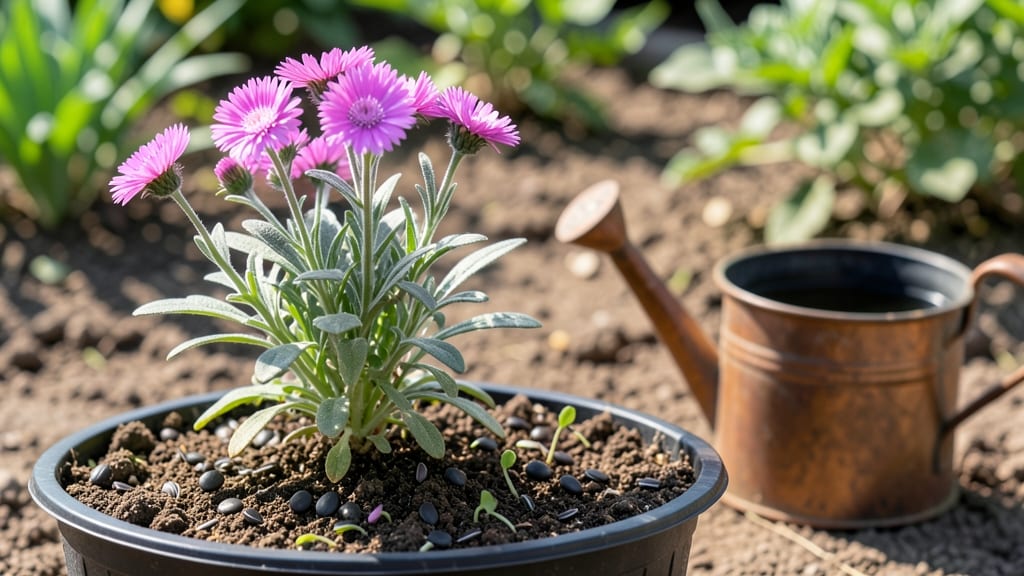
Timing your Dianthus seed planting just right is the secret to vibrant blooms that last from spring to autumn—but Australia’s diverse climates mean one wrong move can ruin your garden dreams.
If you’ve ever watched your 🌸 Dianthus plants struggle or fail to thrive, it’s likely because you planted them at the wrong time. Unlike temperate climates with clear seasons, Australia’s coastal warmth, inland chill, and tropical heat zones demand precision. Get this right, and you’ll enjoy fragrant, colorful blooms year-round.
In this guide, I’ll break down the exact months to plant Dianthus seeds in every Australian state, accounting for frost risk, summer heat, and even urban microclimates. You’ll learn how to adjust your schedule whether you’re in frost-prone Melbourne or sunbaked Brisbane.
Ready to transform your garden? Let’s dive into the best planting windows, soil prep tips, and care tricks to ensure your Dianthus thrives—no matter where you live in Australia.
Best months to plant Dianthus seeds across Australian states
Australia’s diverse climates mean your dianthus seeds need precise timing to thrive. From frost-prone Melbourne to tropical Brisbane, the ideal planting window varies. For most regions, spring (August–October) and early autumn (February–March) are your best bets—but let’s break it down by state to avoid costly mistakes.
Dianthus seeds germinate best in soil temperatures between 10–20°C. In cooler climates like Victoria and Tasmania, wait until after the last frost (typically mid-September in Melbourne). Meanwhile, Queensland’s subtropical zones allow for two planting seasons—spring and autumn—thanks to milder winters.
Here’s your state-by-state planting guide, including frost dates, soil prep tips, and microclimate adjustments to maximize your dianthus blooms from spring to autumn.
| State | Best Planting Months | Soil Temp for Germination | Key Considerations |
|---|---|---|---|
| New South Wales (Sydney) | August–September, February–March | 12–18°C | Frost risk until late September; coastal areas can plant earlier. |
| Victoria (Melbourne) | September–October, February | 10–15°C | Wait for soil warmth (>10°C) after last frost (mid-September). |
| Queensland (Brisbane) | August–September, February–April | 15–20°C | Two seasons due to mild winters; avoid summer heat (Dec–Feb). |
| Western Australia (Perth) | August–September, March–April | 12–16°C | Cooler Mediterranean climate; plant in autumn for spring blooms. |
| South Australia (Adelaide) | September, March | 10–18°C | Dry climate; mulch heavily to retain moisture. |
| Tasmania (Hobart) | October–November, February | 8–14°C | Cooler climate; use greenhouse sowing for earlier starts. |
In Northern Territory and far-north Queensland, dianthus thrives in cooler months (May–September) to escape 40°C+ summers. For these regions, sow seeds in late autumn (April–May) for winter-spring blooms, then protect plants from intense heat with shade cloth.
If you’re in a coastal microclimate (e.g., Gold Coast or Byron Bay), you might push planting to late autumn (April)—just monitor soil moisture closely. Inland areas like Albury-Wodonga should stick to spring planting to avoid late frosts.
Pro tip: Use a soil thermometer to confirm 10–20°C soil temps before sowing. If temps drop below 10°C, germination slows dramatically, and seeds may rot. Well-draining soil is non-negotiable—dianthus hates soggy roots, so amend clay soils with sand or perlite.
Once your seeds sprout, harden off seedlings for 7–10 days before transplanting. In hotter regions (QLD/WA), opt for shadier spots until plants establish roots. With the right timing, your dianthus will reward you with fragrant blooms from late winter to autumn.
🌸
How climate zones affect Dianthus growth and flowering seasons
Australia’s 8 climate zones (defined by the Bureau of Meteorology) dramatically impact when and how your Dianthus will thrive. Unlike one-size-fits-all advice, these zones dictate whether you can plant twice a year or need to stick to a single window.
Understanding your zone helps you avoid common mistakes like planting too early in frost-prone areas or too late in tropical heat.
For example, subtropical zones (like coastal QLD and NSW) allow two planting seasons: spring (August-October) and early autumn (February-March). Meanwhile, temperate zones (such as Victoria and South Australia) demand precision—planting outside spring or autumn risks stunted growth or failure.
In arid zones (like parts of Western Australia and the Northern Territory), the focus shifts to extended cool-season planting (May-July) to escape summer’s extreme heat. Even within a state, microclimates matter: urban areas like Melbourne’s CBD can be 5°C warmer than rural zones, delaying frost risk.
- Subtropical (QLD/NSW coast): Plant August-September (spring) and February-March (autumn) for year-round blooms. Avoid summer planting due to heat stress.
- Temperate (VIC/SA/TAS): Stick to spring (August-October) only. Autumn planting risks early frosts (e.g., Melbourne’s June frosts).
- Arid (WA/NT inland): Plant May-July to escape 40°C+ summers. Use shade cloth if planting in autumn.
- Tropical (QLD north coast): Plant May-June (start of dry season) or September-October. Avoid wet season (Nov-Apr) due to fungal risks.
- Urban microclimates: Cities like Sydney or Perth have heat islands—plant 1-2 weeks later than rural areas to avoid heat shock.
Adjusting for your zone isn’t just about months—it’s about soil temperature. Dianthus seeds need 10–20°C soil temps to germinate. In cool coastal areas (e.g., Tasmania), wait until soil warms in late September, while inland NSW may be ready by early August.
Use a soil thermometer to check!
Even within a zone, elevation matters. Mountainous areas like the Grampians (VIC) or Blue Mountains (NSW) can have earlier frosts than coastal plains. If you’re unsure, observe nearby native plants—they’re adapted to your microclimate’s rhythms.
Pro tip: Use the BOM’s climate zone map to pinpoint your exact zone, then cross-reference with local garden clubs for real-world success stories. With the right timing, your Dianthus will reward you with months of fragrant blooms—no matter where you garden in Australia.