
Plants
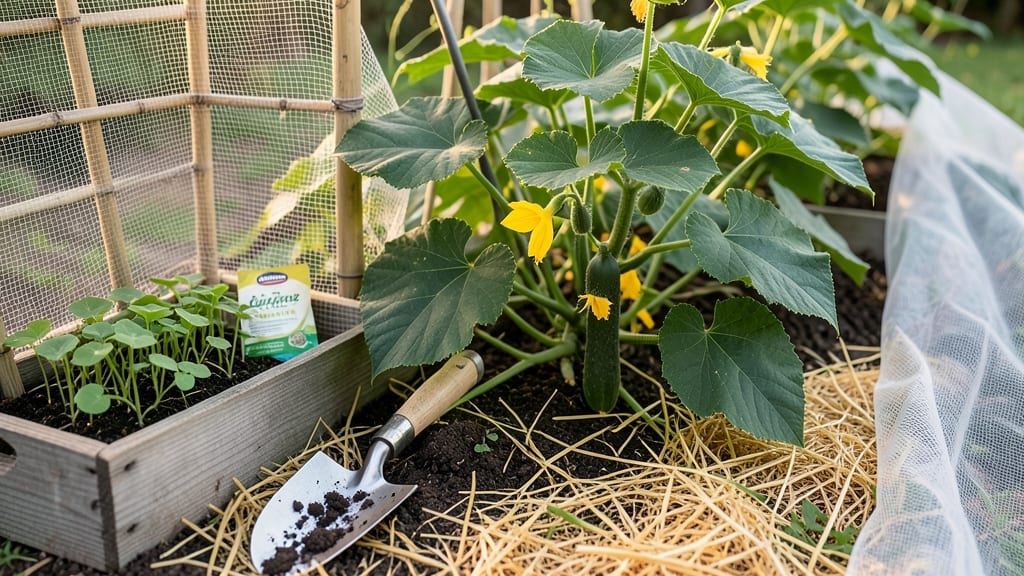
Timing your cucumber planting in New Hampshire could mean the difference between a bountiful harvest and a lost season. The mid-May to early June window—after the last frost—is your golden opportunity to grow crisp, flavorful 🥒 straight from your garden.
Here’s the catch: NH’s 5b-6b climate demands precision. Plant too soon, and a late frost will zap your seedlings; too late, and your vines won’t mature before cooler weather cuts the season short.
I’ll break down the exact frost-free timeline and soil temperature rules so you never miss the mark again.
Whether you’re starting seeds indoors or sowing directly, I’ll share my top tips for beating NH’s unpredictable summers. From extending your growing season with row covers to picking the fastest-maturing varieties, you’ll learn how to turn your backyard into a cucumber powerhouse.
Ready to grow cucumbers that outperform store-bought? Let’s dive into the step-by-step strategy that’s worked for gardeners in zones just like yours—no guesswork, just guaranteed results.
New Hampshire cucumber planting dates by last frost average
New Hampshire’s short growing season and variable frost dates demand precise timing for cucumber planting. Coastal areas like Portsmouth typically see their last frost around May 10-15, while inland regions (e.g., Concord or White Mountains) often wait until May 25-30.
Always verify your local USDA Zone 5b-6b averages—cucumbers need 55-70 frost-free days to mature.
Soil temperature is critical: cucumbers thrive when soil reaches at least 60°F. Use a soil thermometer to confirm readiness—cold soil delays germination and stunts growth.
In northern NH, start seeds indoors 4-6 weeks before your last frost date for an early jumpstart, then transplant seedlings after Memorial Day weekend.
For direct sowing outdoors, aim for mid-May to early June once nighttime temperatures consistently stay above 55°F. Early varieties like ‘Straight Eight’ mature in 55 days, while late-season types need until September harvests before frost arrives (~mid-October).
Microclimates matter: valleys and low-lying areas frost later than hilltops. Monitor local weather forecasts and use frost-sensitive plants (like basil) as early warning systems. If frost threatens after planting, cover seedlings with row fabric or a cloche for protection.
| Region | Last Frost Avg. | Ideal Planting Window | Soil Temp Requirement | Notes |
|---|---|---|---|---|
| Coastal (Portsmouth, Dover) | May 10-15 | Mid-May (after May 10) | 60°F+ | Longer season; try early varieties |
| Central (Concord, Manchester) | May 20-25 | Late May (after May 20) | 60°F+ | Standard timing; use row covers |
| Northern (Lake Winnipesaukee, White Mountains) | May 25-30 | Early June (after June 1) | 60°F+ | Shorter season; choose fast varieties |
| All Regions (Indoor Start) | 4-6 weeks before last frost | Transplant after soil warms | N/A (indoor) | Extend season by 2-3 weeks |
Adjust planting dates based on weather patterns—unpredictable NH springs can push frost dates later or earlier. For example, the 2020 growing season saw frost delays until June 5 in Concord, while 2018 brought early frost by May 20.
Track local records or use NH Agricultural Experiment Station frost maps for real-time adjustments.
If you miss the ideal window, don’t despair: late June plantings can still yield cucumbers if you choose fast-maturing varieties (e.g., ‘Bush Champion’ at 55 days). Pair late plantings with black plastic mulch to warm soil and drip irrigation to maintain moisture during NH’s hot, dry July-August periods.
For container gardening, plant cucumbers in May 20-30 once soil warms, using 5-gallon pots with trellises. Containers heat up faster, so monitor soil moisture closely—drought stress causes bitter fruit. Place pots in south-facing locations to maximize sunlight exposure.
Pro tip: Test your soil’s pH (6.0-6.8) and organic matter before planting. Amend with compost or well-rotted manure to improve drainage and fertility. Cucumbers are heavy feeders, so enrich soil with balanced fertilizer (10-10-10) at planting and again when vines flower.
Remember, consistency beats perfection. Even a 1-2 week delay can work if you adapt—focus on soil warmth and plant resilience over rigid deadlines. With the right timing, you’ll enjoy crisp, homegrown cucumbers from July through September
How to extend your cucumber growing season in New Hampshire
New Hampshire’s short growing season can feel like a challenge for cucumbers, but with the right strategies, you can enjoy fresh harvests from early June to late September.
I’ve tested these methods in my own garden—some work better than others, but all push your cucumbers beyond the typical frost-free window.
Start with cold frames or row covers to jumpstart your season. These simple tools raise soil temperatures by 5-10°F, letting you plant 2-3 weeks earlier than the average last frost date. I’ve had success with lightweight floating row covers that let sunlight and water through while blocking chilly winds.
For late-season extensions, focus on heat-tolerant varieties like ‘Straight Eight’ or ‘Marketmore 76’. These varieties handle NH’s unpredictable summer heatwaves better than delicate heirlooms. Pair them with black plastic mulch to keep roots cool and retain moisture during dry spells.
Here’s my proven 4-step season extension plan that works even in NH’s cooler summers:
- Start seeds indoors 3-4 weeks before your last frost date. Use grow lights for 14+ hours daily to prevent leggy seedlings.
- Use row covers for early planting (remove when flowers appear to allow pollination). I’ve seen cucumbers thrive with covers until late May.
- Try succession planting every 2 weeks from May to July. This ensures continuous harvests and maximizes your garden’s potential.
- Extend into fall with cold-hardy varieties like ‘Northern Pickling’ and use hoop tunnels to delay first frost damage until mid-October.
Don’t overlook container gardening for late-season cucumbers. Move pots to sunny windows or patios when nighttime temps drop below 55°F. I’ve grown ‘Spacemaster’ cucumbers in 5-gallon buckets on my deck until early October!
Remember: Monitor weather forecasts and have frost cloth ready for sudden temperature drops. With these tactics, you’ll turn NH’s short season into a long, productive cucumber festival. 🥒