
Plants
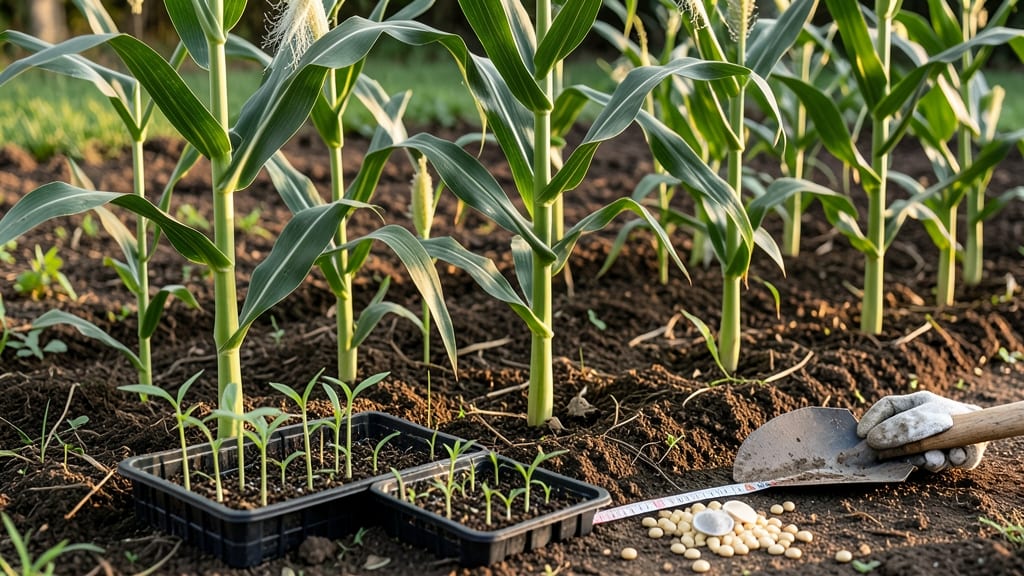
Timing your 🌽 corn planting in Northern California could mean the difference between a bumper crop and a sad, wilted disappointment—especially when microclimates turn frost dates into a moving target.
If you’ve ever stared at your seed packets wondering, "Why isn’t my corn growing?" the answer might be simpler than you think: soil temperature and frost-free deadlines are the real game-changers.
Plant too early, and a late frost will nip your dreams in the bud. Too late, and summer’s heat stress will shrink your ears before they even form.
I’ve spent years testing the perfect windows for 7b-9b zones, from Sacramento’s inland valleys to the coastal fog belts, and what works here won’t necessarily fly in other regions.
Let me break down the exact triggers—soil temps, frost dates, and even the best varieties—to guarantee your garden delivers sweet, juicy ears by midsummer.
Ready to ditch the guesswork? You’ll walk away with a clear planting schedule, pro tips for Northern California’s quirks, and a foolproof plan to turn your backyard into a cornucopia. Let’s get those seeds in the ground at the right time.
Northern California corn planting dates by microclimate Zone
Northern California’s diverse climate means your corn’s success hinges on knowing your microclimate. Coastal areas like San Francisco and Santa Cruz enjoy milder winters, while inland valleys like Sacramento and Fresno face hotter summers.
Plant too early in coastal zones and frost zaps seedlings; too late inland and heat stress stunts growth. Let’s break down the optimal planting windows for your region.
For all zones, soil temperature is your golden rule: corn seeds need 50°F+ to germinate, but 60°F+ ensures faster, healthier growth. Use a soil thermometer to check—if it’s cooler, wait or use black plastic mulch to warm the soil.
Below, I’ve mapped out last-frost dates and ideal planting windows for Northern California’s key regions, so you can align your schedule with nature’s calendar.
If you’re in the Bay Area or coastal regions, aim to plant by May 15 to avoid summer heat stress. Inland areas like Sacramento or the Central Valley can push planting to late April, but be ready to shade young plants if temperatures exceed 90°F.
Pro tip: Use a garden journal to track your local frost dates—these averages shift yearly!
For succession planting, stagger seeds every 2 weeks to extend your harvest. In cooler zones, start with short-season varieties like ‘Golden Bantam’ (60 days), while hotter inland areas can handle ‘Peaches and Cream’ (90 days).
Always check your USDA zone (7b-9b in Northern CA) and adjust for elevation—higher altitudes delay planting by 1-2 weeks.
One common mistake? Planting based on calendar dates instead of soil conditions. I once rushed corn into my
Soil temperature & moisture requirements for corn in Northern CA
Northern California’s cool spring soils are the #1 reason corn seeds rot before sprouting. Unlike warm-climate gardeners, we can’t just toss seeds into the ground in March—even if the air feels mild. Soil temperature below 50°F halts germination, and 60°F+ is the magic threshold for consistent sprouting.
I’ve seen seeds planted in 55°F soil take 3+ weeks to emerge, while 65°F+ gets them up in 7-10 days.
Use a soil thermometer (just $10 at garden centers) to check temps 1 inch deep in the morning. For most of Northern CA, this means waiting until mid-April to early May in inland areas, and late April to early June near the coast where fog keeps soils cooler.
Pro tip: Black plastic mulch can warm soil by 5-10°F in just days—perfect for extending your planting window.
Cold Soil = Seed Death
Corn seeds need 60°F+ soil to germinate. Planting in 50-55°F soil causes fungal rot or slow, uneven sprouting. Use row covers or black plastic mulch to warm soil faster. Never plant before your last frost date—even if seeds sprout, seedlings won’t survive frost.
Moisture is just as critical as temperature. Corn seeds need consistent moisture to germinate, but waterlogged soil suffocates roots. Aim for 1-2 inches of water per week once planted, delivered via drip irrigation or soaker hoses to avoid wetting foliage (which invites fungal diseases).
In USDA Zone 7b (Sacramento Valley), I water every 2-3 days in spring, while Zone 9b coastal areas may need daily watering during foggy periods.
Here’s my foolproof moisture test: Stick your finger 1 inch deep into the soil. If it feels dry like sand, water deeply. If it’s clumpy and cool, wait a day.
Overwatering is worse than underwatering—corn roots need oxygen, and soggy soil leads to root rot and stunted growth. Mulch with straw or grass clippings to retain moisture and regulate soil temps.
For gardeners in high-elevation areas (like the Sierra foothills), consider starting seeds indoors 2-3 weeks before your target outdoor planting date. Use biodegradable pots and transplant seedlings when soil hits 60°F+.
Just be sure to harden off seedlings for 5-7 days to avoid transplant shock—a common pitfall in Northern CA’s unpredictable spring weather.
Remember: Soil temp > Air temp. A 70°F April day might feel warm, but if your soil is still 55°F, your corn seeds are in danger. Always check both air and soil temps before planting, and adjust your schedule based on your specific microclimate.
With the right timing, you’ll be harvesting juicy, sweet corn by midsummer—no guesswork required.