Plants
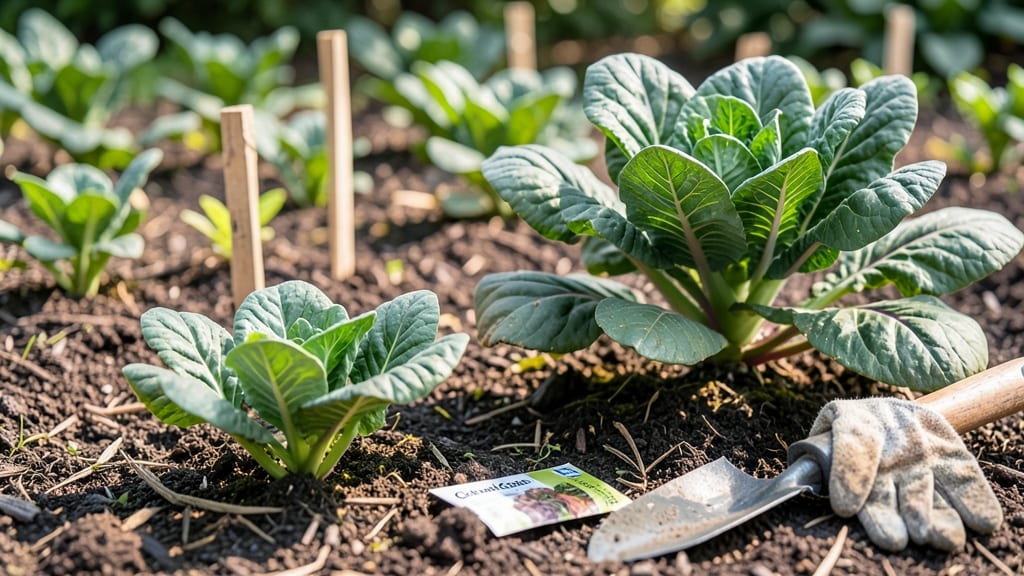
If you’ve ever wondered when to plant collards in Florida to avoid bitter flavors or stunted growth in the heat, the answer lies in timing. Planting these nutrient-packed greens at the wrong time can turn your garden into a disappointment instead of a harvest goldmine.
Florida's frost-free climate (USDA zones 9a-11) means you can grow collards year-round—but there's a catch. The key to tender, flavorful leaves is planting them when temperatures cooperate, typically between August and March when heat stress is minimal.
I'll show you exactly when to put those seedlings in the ground for continuous harvests, whether you're in North Florida's cooler winters or South Florida's endless summer. No more guesswork—just a foolproof schedule that keeps your kitchen stocked with fresh greens.
Ready to transform your garden into a collard-growing powerhouse? Let's dive into the perfect frost-free planting timeline that works for Florida's unique climate.
Florida’s collard planting calendar: month-by-month frost-free guide
Florida’s year-round growing potential makes collards one of the easiest leafy greens to cultivate—but timing still matters. Unlike northern climates, Florida gardeners don’t need to worry about frost damage, but heat stress and bolting can ruin your harvest if planted at the wrong time.
The key is leveraging Florida’s three distinct microclimates: North (cooler winters), Central (moderate), and South (tropical).
Collards thrive in cool weather (60-75°F) and struggle in extreme heat (above 85°F). That’s why fall and winter planting yields the sweetest, most tender leaves. Even in South Florida’s frost-free zones, summer planting requires extra care to prevent bolting—the process where plants flower prematurely and become bitter.
Let’s break down the ideal planting windows for each Florida region.
📅 PRO TIP: Use transplant dates (not seed-starting) for this guide, since Florida’s long growing season lets you skip the nursery step entirely. Start with 6-week-old seedlings from local nurseries or direct-sow seeds for faster results.
| Region | Best Planting Window | Avoid Planting | Harvest Window | Notes |
|---|---|---|---|---|
| North Florida (Zones 8a-9a) | August 15–September 30 October 15–November 15 |
April–June (heat stress) | October–March (peak flavor) | Light frost risk in Dec/Jan; use row covers. |
| Central Florida (Zones 9b-10a) | August 1–October 31 December 1–January 31 |
May–July (extreme heat) | September–April (year-round with care) | Shade cloth (30%) helps in summer. |
| South Florida (Zones 10b-11) | Year-round (best: Aug–Dec) | June–August (peak heat) | September–May (continuous harvest) | Use heat-tolerant varieties like 'Champion' or 'Georgia Southern'. |
In North Florida, the coolest months (November–March) are perfect for collards, but a light frost (below 28°F) can damage leaves. Plant 8–10 weeks before the first frost (typically by October 15) to ensure a winter harvest.
For a spring crop, sow seeds in late winter (February) for harvests in April–May before summer heat sets in.
Central Florida’s moderate winters allow for two main planting windows: late summer (August–September) for fall harvests and winter (December–January) for spring greens. The hottest months (June–August) should be avoided unless you’re using shade cloth or heat-tolerant varieties.
Even then, expect slower growth and bolting if temperatures exceed 85°F for more than a week.
South Florida’s tropical climate means collards can grow year-round, but summer planting (June–August) is risky without special precautions. For peak flavor, focus on fall and winter plantings (August–December).
If you must plant in summer, choose shaded spots and heat-resistant varieties like 'Georgia Southern', which tolerates up to 90°F better than standard types.
For continuous harvests, use succession planting: Sow new seeds or transplant seedlings every 2–3 weeks during the ideal windows. This ensures you always have young, tender leaves ready to pick.
For example, in Central Florida, plant one batch in August and another in December to enjoy collards from September through April.
🌡️ TEMPERATURE TIP: Monitor your local high and low temperatures—collards prefer daytime highs of 70–75°F and nighttime lows above 50°F. Use a soil thermometer to check root-zone temps; if soil drops below 55°F, growth slows dramatically. In North Florida, row covers can extend the season by 5–7°F.
Finally, soil preparation
How to extend collard harvests year-round in Florida’s heat
Florida’s summers can turn your collards bitter or bolt prematurely if you’re not careful. But with the right strategies, you can enjoy fresh greens even in the hottest months. The key is managing heat stress while maintaining steady growth.
I’ve grown collards in South Florida’s Zone 10 for years, and these techniques keep them thriving when others give up.
Start by choosing heat-tolerant varieties like 'Champion' or 'Georgia Southern'. These hold up better than standard types when temperatures climb above 90°F. Pair them with shade cloth—30-50% coverage—to filter intense afternoon sun without starving them of light.
I’ve seen collards under shade cloth stay lush while nearby plants wilt.
Here’s how I extend harvests through Florida’s summer heat:
For North Florida gardeners (Zones 8-9), summer heat is less extreme, but June-August still demands caution. Focus on shade cloth and mulch—these two tactics alone can extend harvests by 4-6 weeks past what most gardeners attempt. I’ve had collards produce well into September using these methods.
Remember: Collards are cool-season crops, but Florida’s microclimates let us push their limits. With shade, water discipline, and smart variety selection, you can enjoy homegrown greens year-round—even when your neighbors are sweating through their summer gardens. 🌿