Plants
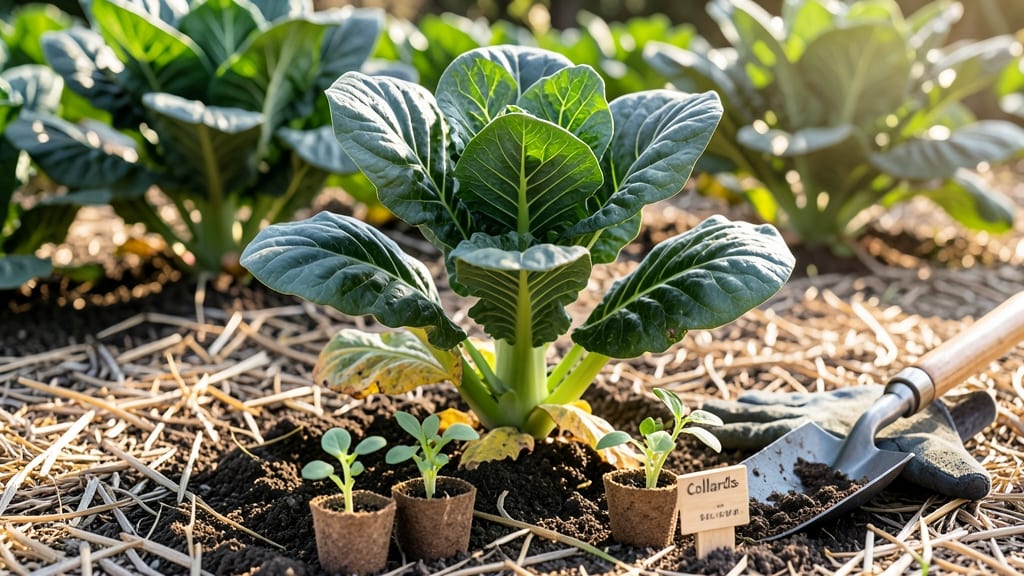
Planting collards in Alabama isn’t just about timing—it’s about beating the heat and frost to unlock sweet, tender greens all season long. With Alabama’s 7b-8b climate, you’ve got a narrow window to avoid bitter leaves or stunted growth, whether you’re sowing in early spring or late summer.
Most gardeners swear by late summer planting (August-September) for a fall harvest, but did you know heat-resistant varieties can thrive even in Alabama’s sweltering 90°F+ summers? The key is starting seeds indoors or choosing varieties like ‘Georgia Southern’ that won’t bolt in the heat.
If you’re new to collards, you might be surprised by how versatile they are—🥬 these leafy greens handle Alabama’s humidity and clay-heavy soils better than many other crops. Whether you’re planting in containers or directly in the ground, spacing and succession planting can extend your harvest well into winter.
Ready to grow collards that outperform the competition? I’ll walk you through the exact planting schedule, heat-tolerant varieties, and local tricks to keep your plants thriving—no matter Alabama’s unpredictable weather throws your way.
Best planting times for collards in Alabama’s frost-free zones
Alabama’s USDA zones 7b-8b offer two ideal windows for planting collards: early spring and late summer. The key is avoiding extreme heat (above 90°F) and frost risks, which can ruin tender leaves.
In North Alabama, the frost-free window is shorter (200 days) compared to South Alabama’s 220+ days, so adjust timing accordingly.
For a fall harvest, plant collards 4-6 weeks before the first frost (typically late August to early September). This gives plants enough time to mature before winter.
In North Alabama, aim for mid-August planting, while South Alabama gardeners can extend planting until early September due to warmer microclimates.
Spring planting should happen as soon as soil temperatures reach 50°F (usually late March to early April). Early spring collards thrive in cooler weather and produce tender leaves before summer heat sets in. If you miss this window, succession planting every 2-3 weeks ensures a continuous harvest.
Alabama’s humid summers can stress collards, so avoid planting in June or July unless you choose heat-tolerant varieties. Instead, focus on late summer or spring for the best results. Container gardening is also an option for urban gardeners, allowing you to move plants to shadier spots during peak heat.
🌱 Alabama Collard Planting Timeline
| Region | Best Planting Window | Frost-Free Days | Harvest Time |
|---|---|---|---|
| North Alabama (Zones 7b) | Late March–Early April Mid-August–Early September |
200 days | October–December April–May |
| South Alabama (Zones 8a-8b) | Late February–Early March Early August–Late September |
220+ days | September–December March–June |
| Urban/Container Gardens | March–April August–September |
Flexible (move plants) | October–December April–May |
Alabama’s clay-heavy soils can slow germination, so amend planting beds with compost or aged manure before sowing seeds. Aim for a soil pH of 6.0–7.0 to prevent nutrient deficiencies.
In North Alabama, use row covers in early spring to protect seedlings from late frosts, while South Alabama gardeners may need shade cloth in peak summer to prevent bolting.
For a year-round supply, stagger plantings every 3 weeks from March to September. This succession planting method ensures fresh collards whether you’re enjoying spring’s mild greens or fall’s frost-sweetened leaves.
Just remember: collards hate heat, so avoid planting during July’s dog days unless you’re growing heat-resistant varieties.
If you’re new to collards, start with small batches to test your local microclimate. Alabama’s varied elevations (from coastal plains to Appalachian foothills) mean planting times can shift by 2–3 weeks even within the same county. Check your local frost dates and adjust accordingly for foolproof results.
Pro tip: Direct-sow seeds in well-drained beds for faster germination. Collards hate transplant shock, so avoid starting them indoors unless you’re dealing with very short growing seasons (like in North Alabama’s higher elevations).
With the right timing, you’ll enjoy crisp, flavorful collards from fall through spring—no summer struggles required!
Best planting times for collards in Alabama’s frost-free zones
Alabama’s USDA zones 7b-8b give you two prime windows to plant collards: early spring and late summer. Most gardeners focus on August-September for a fall harvest, but spring planting (March-April) also works if you’re quick before summer heat sets in.
The key is avoiding Alabama’s 90°F+ summers, which can cause bolting or bitter leaves.
In northern Alabama (like Huntsville), the last frost typically hits mid-March, so aim for February-March planting. Southern Alabama (like Mobile) has a longer frost-free season, so you can start as late as April for spring crops.
For fall harvests, plant 6-8 weeks before your first frost—usually mid-September in the north and late September in the south.
| Planting Window | Best Months | Harvest Time | Notes |
|---|---|---|---|
| Spring | February-March (North) / March-April (South) | April-May | Plant after last frost; use shade cloth if late. |
| Summer | August-September | October-December | Choose heat-resistant varieties; succession plant every 2 weeks. |
For container gardening, start seeds indoors in late July and transplant after Labor Day to avoid heat stress. Containers dry out faster, so water daily during Alabama’s humid summers. If you’re in zone 8b, you can even plant a third crop in late summer for a winter harvest!
Pro tip: Succession planting every 2 weeks in late summer ensures a steady supply of collards until frost. Space plants 12-18 inches apart to prevent overcrowding, which invites pests like cabbage worms. Mulch with straw to retain moisture and regulate soil temperature.
Alabama’s clay-heavy soils can be tricky—amend with compost before planting to improve drainage. If your soil pH is below 6.0, add lime to prevent nutrient deficiencies. Test your soil in early spring to give it time to adjust before planting.
Remember, collards are cold-hardy and can survive light frosts, making them perfect for Alabama’s mild winters. With the right timing, you’ll enjoy fresh greens from fall through spring—no greenhouse needed! 🥬