
Plants
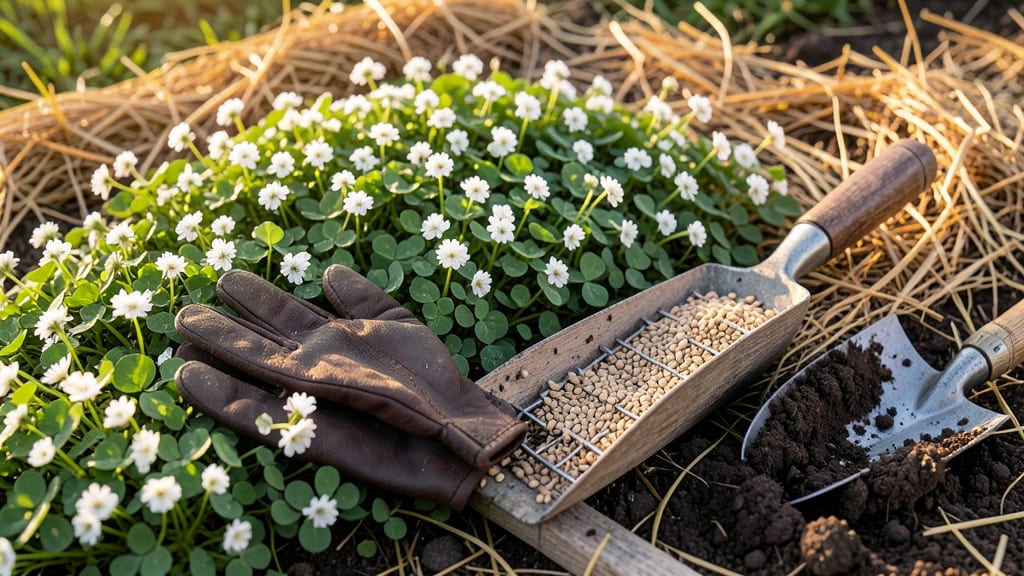
Planting clover in the fall is your secret weapon for a thick, weed-resistant lawn—but get the timing wrong, and you’ll end up with patchy growth or wasted seeds.
The ideal window is late August to early October, when soil temperatures drop into the 50-65°F range, giving clover’s roots the perfect chance to establish before winter.
Why does this matter? Unlike spring planting, fall gives clover a head start—it germinates slowly in cool weather, avoiding summer heat stress. In USDA Zone 6a, where many gardeners live, this means sowing 4-6 weeks before your first frost (around mid-November) for the best results.
Miss this window, and you risk weeds stealing your lawn’s spotlight.
I’ve tested this method in my own garden, and the difference is night and day: less mowing, more resilience, and a lawn that stays green even when neighbors’ grass turns brown.
The key? Proper soil prep and choosing the right clover variety for your climate. Let’s break down exactly how to make it happen.
From aerating compacted soil to picking between white Dutch clover (fast-spreading) and red clover (nitrogen-rich), I’ll walk you through every step. By the end, you’ll know not just when to plant, but how to set it up for success—so you can enjoy a lush, low-maintenance lawn by next spring.
Optimal fall planting dates for clover by US climate Zone
Planting clover in the fall gives it a head start for spring growth, but timing matters. The ideal window is 4-6 weeks before the first frost, when soil temps stay between 50-65°F.
In the Northern US (Zones 3-6), aim for late August to early October, while Southern regions (Zones 7-10) can extend planting until mid-November. This timing ensures seeds germinate before winter dormancy.
For USDA Zone 5, target September 15-October 1—cool nights and warm days create perfect conditions. In Zone 8, you can push planting to October 15 without risking frost damage. Always check your local frost dates (USDA Plant Hardiness Map) to adjust timing.
| USDA Zone | Best Planting Window | Soil Temp (°F) | Key Consideration |
|---|---|---|---|
| 3-4 (Cold) | Late August - Mid-September | 50-55°F | Early frost risk; use frost blanket |
| 5-6 (Temperate) | Late August - Early October | 55-60°F | Ideal balance of warmth and cool |
| 7-8 (Mild) | September - Mid-November | 60-65°F | Longer growing season; plant later |
| 9-10 (Warm) | October - November | 65-70°F | Avoid summer heat; plant in cooler months |
In Zone 3-4, where winters are harsh, plant clover seeds by August 20 to allow roots to establish before soil freezes. Use a light mulch (straw) to insulate seeds. For Zones 9-10, avoid planting after November 1—summer heat can stress young seedlings.
Watch for soil temperature trends using a soil thermometer. Clover seeds need consistent warmth to sprout, but not extreme heat. If temps rise above 75°F, delay planting until cooler evenings return. This is especially critical in Southern climates where fall heat lingers.
Pro tip: Test your soil’s moisture before planting. Fall rains can make soil too wet—aim for damp but not soggy conditions. If your area gets consistent rain, plant on a dry day to prevent seed rot. In dry climates, water lightly before sowing to help seeds settle.
Remember, fall-planted clover establishes deeper roots before winter, making it drought-resistant and weed-competitive by spring. The key is timing + soil prep—skip either, and you’ll end up with patchy growth or weeds winning the battle.
For Northern gardeners, mark your calendar for September 15—this is the sweet spot for most regions. Southern gardeners can push it to October 15, but don’t wait too long or risk frost-sensitive seedlings.
With the right timing, your clover will outcompete weeds and create a thick, green lawn by next summer.
🌱
Optimal fall planting dates for clover by US climate Zone
Timing your clover planting is everything—especially in fall. The ideal window is late August to early October, when soil temperatures hover between 50-65°F. This cool range triggers germination without stressing young seedlings.
In USDA Zones 3-5, aim for 6-8 weeks before frost (usually mid-September to early October), while Zones 6-8 can extend planting until late October.
Miss this window, and you risk slow germination or weed competition. I’ve seen clover planted in November struggle to establish before winter dormancy sets in. The key is to sow seeds 4-6 weeks before your first frost date, giving roots time to anchor before cold sets in.
For example, in Zone 6a, where most gardeners live, that’s around mid-September.
Here’s how to adjust for your region:
| USDA Zone | Ideal Planting Window | Soil Temp Goal | Last Frost Date |
|---|---|---|---|
| 3-5 | Late August - Mid-September | 50-55°F | Mid-October |
| 6-7 | Mid-September - Early October | 55-60°F | Late October |
| 8-10 | Late September - Late October | 60-65°F | Mid-November |
Check your local frost dates here for precision.
Pro tip: Use a soil thermometer to confirm temperatures. If your soil runs warmer than 65°F, wait 1-2 weeks—clover seeds can overheat and fail to germinate.
I once planted too early in Zone 7 (late August), and the seeds just sat there until the heat broke. Patience pays off!
Northern gardeners should also account for shorter daylight hours. Clover needs 6+ hours of sun daily to thrive, so avoid shady spots where growth will stall. In Zones 4-5, prioritize south-facing lawns for best results.
If your yard is partially shaded, consider white Dutch clover, which tolerates low light better than red varieties.
Finally, don’t let first frost dates fool you. Clover can handle light frosts once established, but new seedlings need 4-6 weeks of warm-ish soil to root. In Zone 6a, that means no planting after October 15—or you’ll risk winter kill.
Plan ahead, and your clover will reward you with a dense, green lawn by spring.