
Plants
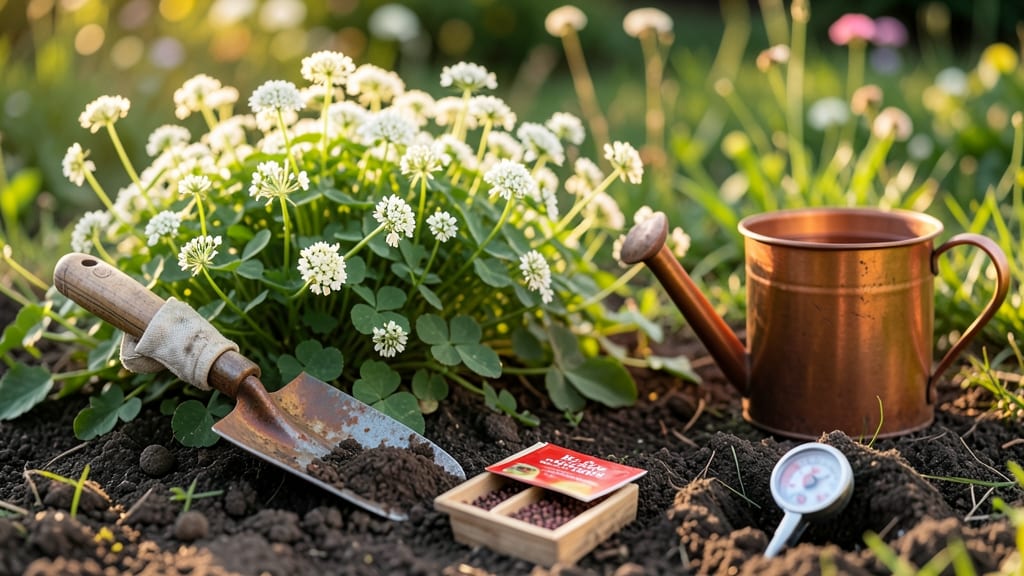
Timing your clover planting in Utah isn’t just about the calendar—it’s about surviving the state’s dramatic shifts from freezing high-desert nights to scorching alpine afternoons. Plant too early, and frost will wipe out your seeds; too late, and summer heat will stunt growth.
The key to success lies in knowing your microclimate’s last frost date, whether you’re in St. George’s low desert (Zone 7-8) or Park City’s alpine slopes (Zone 5).
Most Utah gardeners swear by early spring (March-April) or early fall (September-October) planting, but those deadlines shift 10-14 days earlier at higher elevations.
For example, clover in Zone 5 might need to wait until mid-April to avoid late frosts, while Zone 8 can start as early as February in sheltered valleys. The goal?
Get those seeds in the ground when soil temperatures hit 50°F—warm enough for germination but cool enough to avoid drought stress.
Why does this matter? Because clover isn’t just a pretty ground cover—it’s a game-changer for Utah soils, fixing nitrogen for lawns, pastures, or even ornamental beds.
Whether you’re prepping for livestock forage or a low-maintenance lawn, getting the timing right means the difference between lush green growth and a patchy, struggling mess. Let’s break down the exact windows for your Utah zone, so you can plant with confidence.
Ready to transform your yard or pasture? I’ll walk you through the critical factors that determine your perfect planting date—from soil temperature tricks to elevation adjustments—so your clover thrives year-round. No more guessing, just proven results tailored to Utah’s wild climate.
Utah clover planting deadlines by microclimate Zone (spring vs fall)
Utah’s USDA hardiness zones 4-8 create wildly different planting conditions—what works in St. George’s Zone 8 can fail in Park City’s Zone 4. The key is timing your clover seeds to germinate after the last frost but before summer’s scorching heat.
For most Utah regions, this means March-April for spring and September-October for fall, but elevation shifts these windows dramatically.
High-elevation areas like Ogden (Zone 5) or Heber Valley (Zone 6) have later frost dates—often May 1—while low desert zones like Moab (Zone 7) can plant as early as February for spring clover.
Fall planting must finish 6-8 weeks before first frost, which can be as early as October 1 in mountain regions or as late as November 15 in southern Utah.
Here’s your Utah-specific planting timeline broken down by microclimate, including frost-free date adjustments for high desert vs. alpine zones:
For high desert areas like Price or Delta, aim for soil temperatures above 50°F (10°C) before planting—use a soil thermometer to confirm.
In mountain regions, wait until nighttime temperatures stay above 40°F (4°C) to avoid frost damage to young seedlings. Red clover germinates faster than white Dutch clover, so adjust your timing accordingly if you’re planting a mix.
Pro tip: Fall planting often yields thicker clover stands in Utah because it establishes roots before winter dormancy. If you’re seeding for livestock forage, prioritize September planting—this gives clover time to grow before the first hard frost, ensuring a nutrient-rich winter feed.
Always check your local Utah State University Extension office for year-specific frost dates, as La Niña or El Niño years can shift these windows by 2-3 weeks. For example, 2023’s early snow pushed Park City’s last frost to May 10, delaying spring plantings by nearly a month.
Remember: Clover thrives in Utah’s alkaline soils, but overwatering in summer can cause root rot. Once established, clover is drought-tolerant, but seedlings need consistent moisture for
5 Critical factors that determine your exact planting date in Utah
Utah’s microclimates create a puzzle for clover growers—what works in St. George’s desert heat fails in Park City’s alpine chill. Your exact planting date depends on 5 key variables, starting with soil temperature.
Clover seeds need soil at 50°F (10°C) to germinate, but Utah’s high desert warms faster than mountain valleys.
Next, elevation shifts deadlines dramatically. In USDA Zone 7 (Salt Lake Valley), aim for March 15-April 15 in spring, while Zone 4 (Bear Lake) waits until May 1. Use your last frost date as a baseline, but add 2-4 weeks for safety—clover hates cold snaps.
Don’t overlook rainfall patterns. Southern Utah’s low precipitation demands fall planting (September-October) to leverage winter moisture, while northern regions can handle spring sowing. Check your local USDA climate data—some areas get 70% of annual rain in May, perfect for spring clover.
- Soil temp: Wait for 50°F (10°C)—use a soil thermometer (cheap and lifesaving).
- Elevation: Zone 4 waits until May 1; Zone 8 plants by March 1.
- Rainfall: Fall-plant in dry south; spring-plant in wet north.
- Clover type: Dutch white needs warmer soil; alsike tolerates cooler temps.
- Frost risk: Add 2-4 weeks after last frost—clover’s delicate sprouts can’t handle 32°F.
Your clover variety also dictates timing. Dutch white clover, Utah’s top choice for lawns, thrives in warmer soil (55°F+), while alsike clover handles cooler 45°F (7°C) temps—ideal for high-elevation pastures.
Test soil readiness with the finger test: Push your finger 2 inches deep; if dry, wait 1-2 weeks.
Finally, Utah’s unpredictable weather demands flexibility. Even with perfect timing, a late snowstorm can delay germination by 3-4 weeks. Plant 20% extra seed to account for losses, and monitor 7-day forecasts—if 32°F nights are predicted, cover seedlings with row fabric.
Pro tip: Use a planting calendar like the Utah State University Extension’s (free online) to cross-check your local frost dates and soil conditions.
Adjust your window by ±10 days based on these factors, and you’ll avoid the #1 Utah clover failure: planting too early and losing seedlings to frost.