
Plants
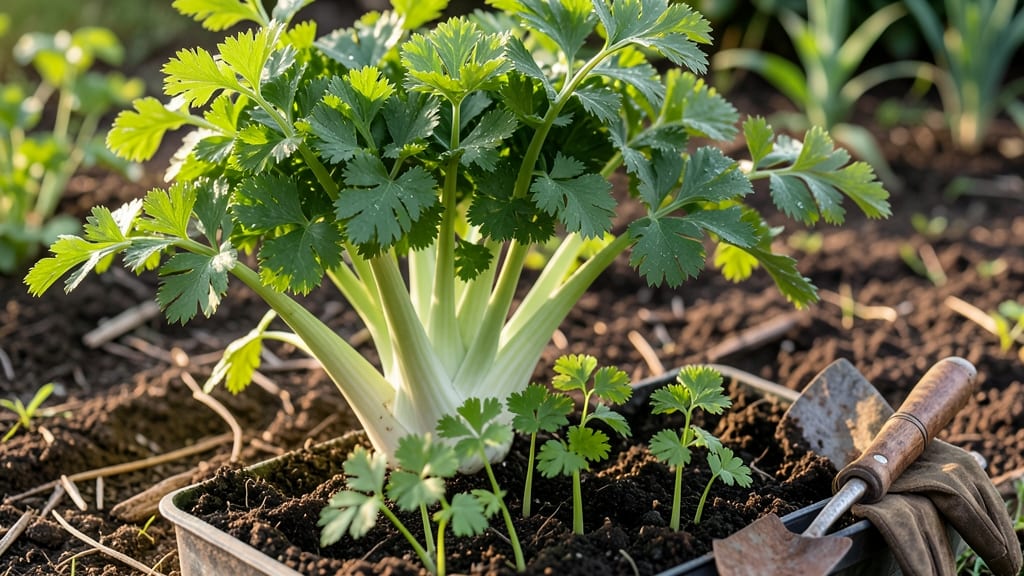
Timing your celery planting in Ohio can make the difference between a crisp, homegrown harvest and a sad, bolted mess—especially in Zone 6a where spring frost lingers longer than you’d hope.
The perfect window for sowing 🥬 celery starts mid-April to early May, right after your last frost date, but there’s more to it than just calendar flipping.
Celery thrives in Ohio’s growing season, but it’s a cool-weather crop that hates heat stress, which is why many gardeners swear by starting seeds indoors 10-12 weeks before transplanting. If you’re direct sowing, wait until soil temperatures hit 50°F—any earlier and your seedlings will sulk in the cold.
And here’s the kicker: Ohio’s clay-heavy soil? Not celery’s dream playground without the right prep.
I’ve learned the hard way that rushing celery into the ground too soon leads to stunted growth, while waiting too late risks bolting before you even get a harvest.
The key is balancing frost dates, soil warmth, and variety choices—like Tall Utah or Golden Self-Blanching—that handle Ohio’s short but sweet growing season. Let’s break down exactly how to nail your timing for juicy, homegrown stalks from July to October.
Whether you’re a first-timer or a seasoned Ohio gardener, these science-backed strategies will help you avoid common pitfalls—like overwatering or heat stress—and keep your celery thriving until the first frost. Ready to grow celery that’s actually worth bragging about? Let’s get started.
Ohio’s ideal celery planting windows: frost dates & hardiness zones
Ohio’s Zone 5-6 climate means celery planting hinges on two critical factors: last frost dates and soil temperature. Most Ohioans experience their final spring frost between April 15-30, but this varies by microclimate—urban areas warm faster than rural zones.
For reliable timing, check your local USDA Plant Hardiness Zone (most of Ohio falls in 6a) and add 10-14 days to the average last frost date as a buffer.
Celery is a cool-season crop that bolts when stressed by heat, so Ohio gardeners must act fast. The ideal planting window spans mid-April to early May for direct sowing, but most experts recommend starting seeds indoors 10-12 weeks before your last frost date.
This gives seedlings a head start in cooler soil conditions. If you’re transplanting, wait until soil temperatures reach 50°F—any earlier and root growth stalls.
Here’s the kicker: Ohio’s short growing season (about 165 frost-free days) demands efficiency. To maximize harvests, many gardeners plant two successive batches: one in early spring and another in late summer for a fall crop.
The second planting should go in late June to early July, using shade cloth to protect seedlings from midday heat.
Pro tip: Use row covers or cold frames to extend your celery season by 2-3 weeks in both spring and fall. These tools create a microclimate that shields plants from late frosts or early heat waves—critical for Ohio’s unpredictable weather.
I’ve seen celery thrive in Zone 6a gardens well into October with this simple trick.
For direct sowing, wait until soil is at least 50°F and all frost risk has passed. If you’re impatient, start seeds in biodegradable pots indoors under grow lights, then transplant outdoors after hardening off.
This method gives you a 2-week jump on the season, which is invaluable in Ohio’s cool, wet springs.
One common mistake? Planting celery too early and watching it bolt prematurely. Heat stress triggers bolting, and Ohio’s summers can push temperatures into the 90s°F by July.
To prevent this, choose shade-tolerant varieties like Tall Utah or Golden Self-Blanching, and provide afternoon shade with 50% shade cloth during peak heat.
Ohio’s northern regions (like Zone 5) have shorter seasons, so gardeners there should prioritize fast-maturing varieties (like Utah Improved) and focus on spring planting only.
In southern Ohio (Zone 6b), you can push the envelope with a fall crop, but be prepared to harvest quickly before the first frost.
To calculate your exact planting window, subtract 130 days (celery’s average maturity) from your first frost date (typically mid-October in Ohio). This gives you a late May to early June cutoff for spring planting. For fall crops, aim for late July to ensure harvests before frost.
Remember: Ohio’s clay-heavy soils slow soil warming, so don’t rush planting. Use a soil thermometer to confirm temperatures are consistently above 50°F before sowing. Patience here pays off with bolt-resistant, flavorful celery.
| Stage | Action | Ohio Timing |
|---|---|---|
| Start Seeds Indoors | Sow in trays with seed-starting mix; keep at 60-70°F. | Mid-March to early April |
| Hardening Off | Acclimate seedlings to outdoor temps over 7-10 days. | Late April |
| Transplant Outdoors | Move seedlings 12-18" apart in prepared beds. | Mid-April to early May |
| Direct Sow Outdoors | Sow seeds ¼" deep, 12-18" apart in warm soil. | Late April to early May |
| Fall Succession Plant | Sow seeds for late-season harvest; use shade cloth. | Late June to early July |
| Harvest Window | Cut stalks at base when 12-15" tall and tightly packed. | July to October |
Ohio’s variable weather means flexibility is key. If you miss the spring window, don’t despair—fall planting can still yield a harvest before frost. Just be prepared to protect seedlings with row covers or shade cloth during Ohio’s unpredictable summer heat waves.
With the right timing, you’ll enjoy crisp, homegrown celery from July through October.
For extra insurance, keep a planting journal to track your local frost dates and adjust future schedules. Over time, you’ll refine your timing to perfection—no more bolted disappointment or frost-nipped seedlings. Happy growing!
Soil prep & celery variety secrets for Ohio gardens
Ohio’s clay-heavy soils are celery’s worst enemy—unless you amend them properly. Native clay retains too much moisture, leading to root rot and stunted growth. The fix? Amend your beds with a 50/50 mix of compost and coarse sand to improve drainage while retaining moisture.
I’ve found that adding aged manure or worm castings boosts nutrient levels without overwhelming tender celery roots.
Celery thrives in well-draining, slightly acidic soil (pH 6.0-6.8). Test your soil’s pH before planting—Ohio’s alkaline tendencies often push readings too high. If needed, lower pH with sulfur or peat moss.
A raised bed is ideal for Ohio gardens, as it warms faster in spring and drains excess rainwater, which is crucial for preventing bolting.
Not all celery varieties handle Ohio’s short, hot summers equally. For spring planting, Tall Utah and Golden Self-Blanching are top picks—they mature in 120-130 days and tolerate cooler temps better than heat-sensitive types.
For fall crops, Utah Improved is a fast-maturing favorite that resists bolting when shaded. Avoid Pascal celery unless you’re committed to greenhouse growing—it’s too fussy for Ohio’s climate.
- Tall Utah: Bolt-resistant, 130-day maturity
- Golden Self-Blanching: Sweet flavor, partial shade tolerance
- Utah Improved: Fast-growing, ideal for fall crops
- Pascal Celery: Needs greenhouse protection
- All varieties bolt in heat (>85°F)
- Requires consistent moisture—drought stress = bitter taste
To extend Ohio’s 165-day growing season, use row covers or cold frames to protect seedlings from late frosts (common in May) and early heat waves (by July).
I’ve seen celery harvests stretch into late October in Zone 6a by combining shade cloth with row covers—just remove them during harvest to prevent wilting. For container growing, choose 5-gallon pots with drainage holes and fill with a peat moss-perlite mix to mimic Ohio’s amended soil.
Ohio’s humid summers demand vigilance against celery moths and aphids. Apply neem oil or insecticidal soap at the first sign of chewed leaves. Mulch with straw or shredded leaves to retain moisture and suppress weeds—celery hates competition for nutrients.
And here’s a pro tip: Harvest outer stalks first to encourage continuous growth, giving you a prolonged harvest window in Ohio’s short season.
If your soil tests high in clay, consider double-digging your beds before planting. This aerates compacted layers and encourages deeper root growth, which celery needs to stay upright in Ohio’s windy conditions.
Add a slow-release fertilizer (like 5-10-10) at planting time, then side-dress with compost tea every 4-6 weeks to maintain nutrient levels without overfeeding.
Remember: Ohio’s unpredictable weather means flexibility. If a heat wave threatens, provide afternoon shade and increase watering frequency to every other day. With the right soil prep and variety choices, you’ll enjoy crisp, homegrown celery from July through October—no bolting or bitter flavors in sight!