
Plants
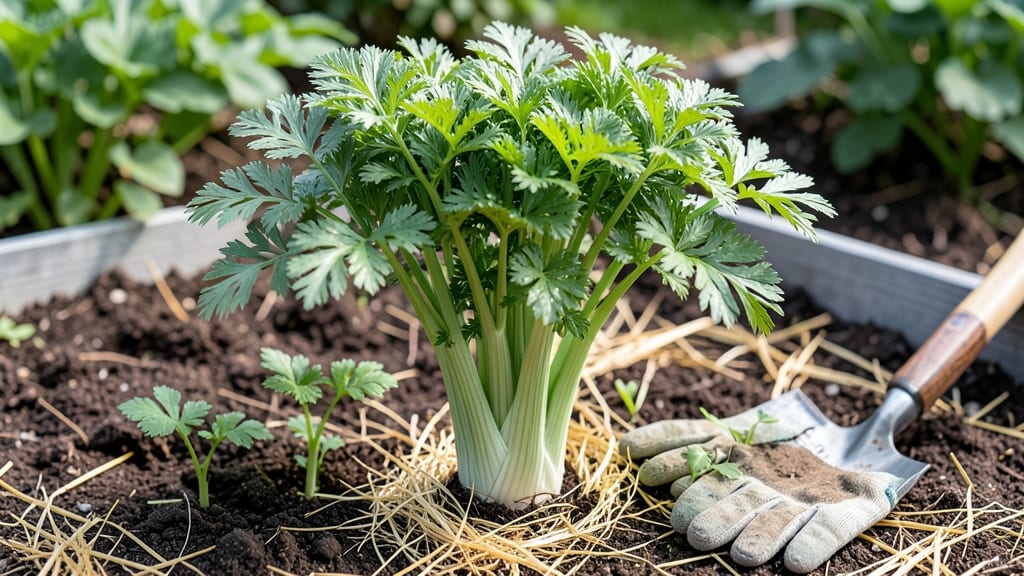
If you've ever planted celery in Louisiana only to watch it wilt under the heat or bolt before harvest, you're not alone. The key to growing crisp, flavorful 🥬 celery in the Bayou State lies in timing—specifically, knowing when to plant it to outsmart the humidity and summer heat.
Louisiana's 8a-9b climate creates unique challenges for celery growers, but with the right approach, you can enjoy homegrown stalks year-round. The secret? Planting during two distinct windows: late winter to early spring and late summer. This strategy helps avoid the worst of the heat while maximizing your harvest potential.
What makes this timing so important? Celery thrives in cooler temperatures and struggles when exposed to prolonged heat or excessive moisture.
By starting seeds indoors 10-12 weeks before the last frost or transplanting seedlings after soil warms to 50°F, you give your plants the best chance to establish strong roots before summer arrives.
In this guide, I'll walk you through the exact planting schedule, soil prep tips, and shade strategies to keep your celery crisp and productive. Whether you're a seasoned gardener or just starting out, these insights will help you grow celery that's as vibrant as Louisiana's spring skies.
Optimal planting windows for celery in Louisiana’s heat zones
Celery thrives in Louisiana’s cooler months, but the state’s humid heat and microclimates demand precise timing. Planting outside these windows risks bolting (premature flowering) or rot from soggy soils. Let’s break down the best months for your specific region.
Louisiana spans USDA Zones 8a-9b, creating distinct planting zones. Northern areas (like Shreveport) have shorter growing seasons, while Southern regions (like New Orleans) can extend fall planting. The key is avoiding 90°F+ temperatures, which stress celery.
For crisp stalks, focus on two planting windows: late winter to early spring (February–March) and late summer (August–September). These periods align with cooler temps and lower humidity, reducing bolting risks.
Here’s how to adapt your schedule based on Louisiana’s heat zones. The comparison table below outlines the ideal months, soil temps, and harvest windows for each region.
For Northern Louisiana, prioritize early spring planting (February–March) to beat the heat. Soil should reach 50°F—use a soil thermometer to confirm. If you miss this window, skip summer and try again in late August for a fall harvest.
In Central Louisiana, extend planting to early April for a May–June harvest. However, avoid planting after April 15, as temperatures often exceed 85°F, triggering bolting. Use shade cloth (30–50%) if you must plant later.
Southern Louisiana gardeners have the most flexibility. Plant in early spring (March–April) for a summer harvest or late summer (August–September) for a fall/winter harvest. The latter avoids peak humidity but requires consistent moisture to prevent rot.
Always check your last frost date (typically mid-March in North LA, late February in South LA). If frost threatens, use row covers or move pots indoors temporarily. For container gardening, start seeds 10–12 weeks before your target planting date.
Pro tip: Direct-sow seeds in spring for hardier plants, but transplant seedlings in fall to avoid transplant shock. Harden off seedlings for 7–10 days before moving them outdoors.
🌱Optimal planting windows for celery in Louisiana’s heat zones
Louisiana’s 8a-9b climate creates two distinct planting windows for celery: late winter/early spring and late summer. These periods avoid the brutal summer heat while capitalizing on cooler temperatures when celery thrives.
For northern Louisiana, focus on February-March and August-September, while southern Louisiana can extend spring planting to April and summer planting to October due to milder winters.
The spring window (February-April) is ideal because soil temperatures stay below 75°F, preventing bolting—the process where celery flowers prematurely. Start seeds indoors 10-12 weeks before your last frost date (typically mid-March) or transplant seedlings when soil reaches 50°F. This gives plants time to establish before summer’s humidity peaks.
For summer planting (August-September), aim to harvest before first frost (mid-November). This window works because daytime highs are still manageable, and shorter days slow growth, reducing stress. However, use shade cloth (30-50%) to protect plants from afternoon sun, which can scorch leaves and cause stalks to become bitter.
| Region | Spring Planting Window | Summer Planting Window | Key Challenge |
|---|---|---|---|
| Northern LA | Feb 15 - Mar 15 | Aug 1 - Sep 15 | Late frost risk |
| Southern LA | Feb 1 - Apr 15 | Aug 15 - Oct 1 | Humidity + heat |
In northern Louisiana, where winters are cooler, you can even try a fall planting (July-August) for a late-winter harvest. However, this requires careful monitoring for early frost, which can damage tender celery stalks. Use row covers or move pots indoors if temperatures dip below 40°F.
Regardless of the window, avoid planting celery in peak summer (May-July) unless you’re using heat-tolerant varieties like ‘Tall Utah’ and providing daily shade. The combination of 90°F+ temperatures and high humidity accelerates bolting and fungal diseases like early blight, making harvests sparse and bitter.
Pro tip: For a continuous supply, stagger plantings every 2-3 weeks within your chosen window. This ensures a steady harvest while minimizing gaps in your garden’s productivity.
Pair celery with companion plants like parsley or onions, which deter pests and improve flavor, making your Louisiana garden both resilient and rewarding.