
Plants
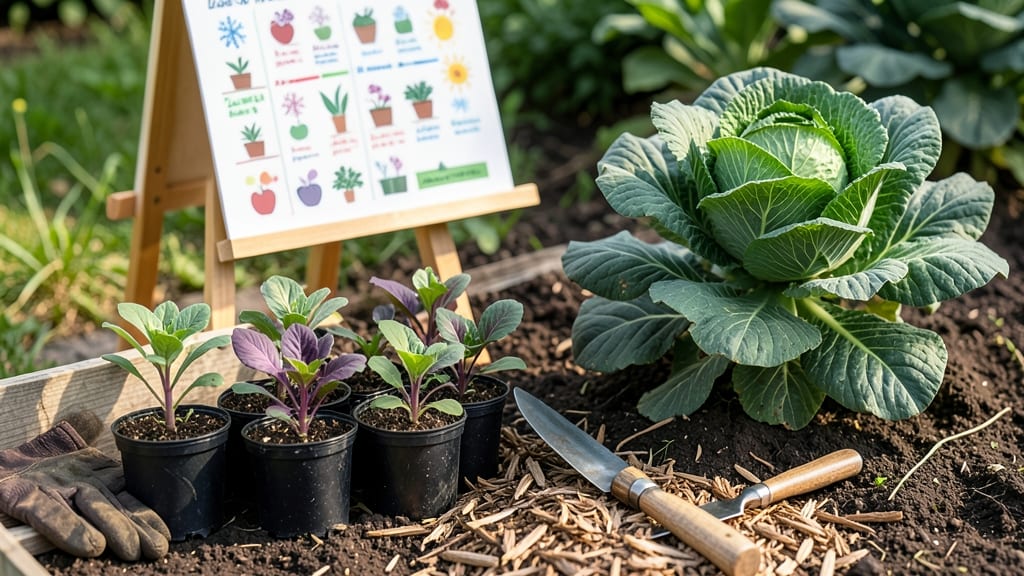
If you’ve ever wondered when to plant cabbage in Zone 8b and watched your 🥬 bolt into bitter flowers instead of forming sweet heads, you know timing is everything in this unpredictable climate.
Planting cabbage at the wrong time means wasted effort and empty garden space when you could be enjoying crisp, homegrown harvests.
Here's the game-changer: Zone 8b's mild winters and hot summers create a 6-week window for perfect cabbage planting that most gardeners miss. Whether you're a first-time gardener or a seasoned pro, mastering these exact planting times will transform your cabbage harvest from disappointment to dinner table success.
Spring planting should start in February for early varieties, while fall planting extends your options until September. The key is avoiding both the summer heat and late winter frosts that can ruin your plants before they even begin.
I'll show you exactly how to work with Zone 8b's unique climate to get cabbage that stays sweet and crisp all season.
Ready to stop guessing and start growing? Let's dive into the precise planting schedule that will give you cabbage heads that rival the grocery store - but with the satisfaction of knowing you grew them yourself, perfectly timed for Zone 8b's conditions.
Zone 8b cabbage planting calendar: exact weeks to avoid bolting
Zone 8b’s mild winters and hot summers create a tricky balance for growing cabbage. The key to success? Planting at the right times to avoid bolting (premature flowering) while aligning with your region’s last frost date of mid-March.
My strategy focuses on four planting phases: fall, winter, early spring, and late summer, each with specific temperature thresholds.
For spring cabbage, start seeds indoors 8-10 weeks before your last frost—typically in January. Transplant seedlings outdoors in February when soil temps stay below 75°F to prevent bolting. This gives you a harvest window from April to June, just as summer heat arrives.
Your backup plan is fall planting, where you sow seeds directly in August for a late-season harvest before the first frost in mid-November. This works because Zone 8b’s cool nights in fall slow growth, reducing bolting risk. Here’s how to time it perfectly:
| Planting Phase | Action | Ideal Timeframe | Temperature Threshold |
|---|---|---|---|
| Fall Planting | Direct sow seeds | August 1–15 | Daytime highs < 85°F |
| Winter Planting | Transplant seedlings | October 15–31 | Nighttime lows > 40°F |
| Early Spring | Start seeds indoors | January 1–15 | Soil temps < 60°F |
| Late Spring | Transplant outdoors | February 15–March 1 | Daytime highs < 75°F |
If you miss these windows, don’t panic—late starts can still work with adjustments. For example, sowing in late March requires using shade cloth to protect seedlings from heat stress.
I’ve had success with this method, though yields may be smaller. The critical factor is keeping soil moisture consistent and avoiding temperature spikes above 80°F.
Another pro tip: Use mulch to regulate soil temperature. A 2-inch layer of straw keeps roots cool in summer and warm in winter, extending your planting window by 2-3 weeks.
This is especially useful for late-summer plantings in September, where you can still get a small harvest before frost.
For container gardening, stick to dwarf varieties like ‘Miniature Peanut’ and plant in early spring or late fall. Containers heat up faster, so monitor soil temps closely—70°F or below is ideal for germination.
I’ve grown cabbage in 5-gallon pots on my balcony with great results, using self-watering bases to maintain moisture.
Finally, always check your local microclimate. Urban areas can be 5-10°F warmer than rural zones, so adjust planting dates 1-2 weeks earlier if you’re in a heat island. Coastal Zone 8b gardens may have cooler summers, allowing for later spring plantings without bolting risks.
By following this 4-phase schedule, you’ll avoid the #1 mistake Zone 8b gardeners make: planting too late in spring. The result? Crisp, sweet cabbage heads all season long, with zero wasted effort.
Zone 8b cabbage planting calendar: exact weeks to avoid bolting
In Zone 8b, where summers can hit 90°F+ and winters rarely drop below 20°F, cabbage thrives in two distinct windows: early spring and late summer.
Planting outside these windows risks bolting (premature flowering) or stunted growth. My strategy focuses on temperature thresholds—never let soil temps exceed 75°F during active growth.
For spring cabbage, start seeds indoors 8-10 weeks before your last frost (mid-March in Zone 8b). This means early January sowing for transplants ready by late February.
Direct-sow outdoors in mid-February to early March, when daytime temps hover around 60-65°F. This timing ensures heads form before summer heat arrives.
Your late-summer planting window opens in August, targeting 6-8 week varieties like 'Golden Acre'. Sow seeds directly August 1-15 for harvests before the first frost (mid-November). Use shade cloth if temps exceed 80°F to prevent bolting.
| Planting Phase | Zone 8b Dates | Soil Temp (°F) | Key Tip |
|---|---|---|---|
| Early Spring | Feb 15 - Mar 10 | 55-65°F | Use row covers for frost protection |
| Late Summer | Aug 1 - Aug 15 | 70-75°F | Apply mulch to retain moisture |
| Winter Backup | Oct 15 - Nov 1 | 60-68°F | Choose cold-hardy varieties like 'January King' |
Missed the spring window? Don’t panic—winter planting works too! Sow seeds October 15-November 1 for a January-March harvest. Use black plastic mulch to warm soil and frost blankets for protection. This method exploits Zone 8b’s mild winters while avoiding summer heat stress.
For container gardening, adjust timing by 2-3 weeks earlier—pots heat up faster. Place containers in partial shade during summer to maintain soil temps below 75°F. My pro tip: Use self-watering pots to prevent drought stress, which accelerates bolting.
Always monitor moisture levels—cabbage needs 1-2 inches of water weekly. In Zone 8b’s dry spells (June-August), increase to 2 inches and water deeply in the morning to reduce fungal risks. Drip irrigation is ideal for maintaining consistent soil moisture without overhead wetting.
Remember: bolting prevention is all about temperature control. By following this 4-phase schedule, you’ll enjoy crisp, sweet cabbage heads from spring through fall—no wasted effort! 🥬