
Plants
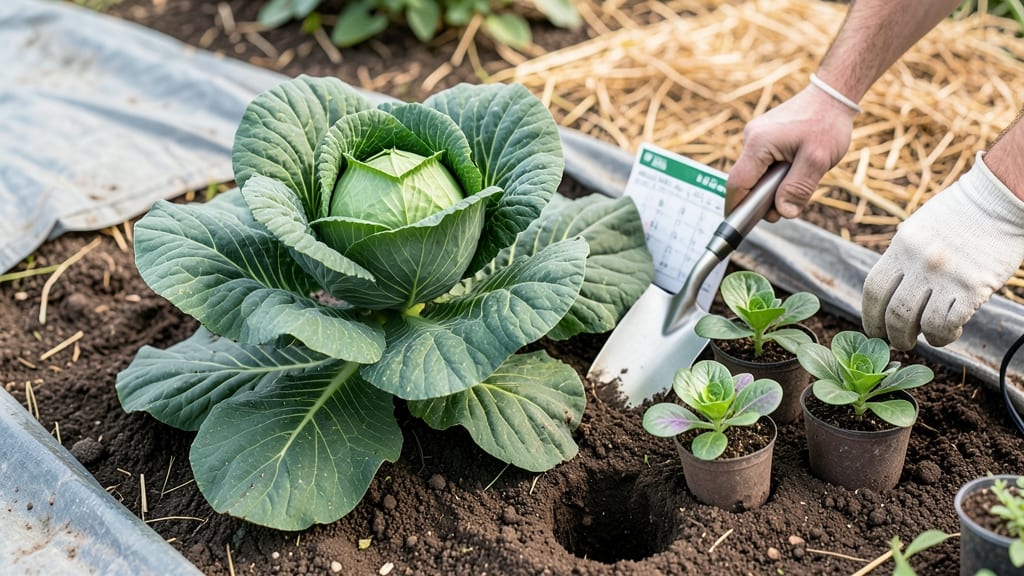
Timing your 🥬 cabbage planting in Maryland isn't just about following a calendar—it's about outsmarting the state's unpredictable frost dates before your hard work goes to waste. One wrong move, and your plants bolt before harvest, leaving you with bitter leaves instead of crisp, flavorful heads.
I've seen gardeners in USDA Zone 7a-8a make the same mistakes year after year: planting too early when soil is still cold, or waiting too long and missing the sweet spot for 60-80 day varieties.
The key? Using Maryland's mid-April last frost date as your guide—and knowing exactly when to adjust for your microclimate.
What if I told you there's a simple formula to calculate your perfect planting window? We're talking zero-bolt harvests and heads so firm they practically beg to be shredded into coleslaw.
Let me show you how to work with Maryland's humidity and heat to get cabbage that's ready by May-June or again in fall.
Whether you're a first-time gardener or a seasoned pro, these Maryland-specific tips will help you avoid common pitfalls like overcrowding and poor soil prep. Ready to grow cabbage that's the envy of your neighborhood? Let's dive into the frost-date secrets that'll change your harvest forever.
Maryland cabbage planting calendar: frost dates & hardiness zones explained
Maryland’s USDA Zones 5a-7b create a tricky balance for growing cabbage. The last spring frost typically arrives between mid-April and early May, while the first fall frost hits around mid-November.
This means your planting window is tight—just 4-6 weeks before the last frost for spring crops, or 8-10 weeks before the first frost for fall varieties.
Cabbage is a cool-season crop that bolts (goes to seed prematurely) when temperatures exceed 80°F. Maryland’s humid summers and sudden heat waves make timing critical.
The 60-day rule is your best friend: count backward from your average last frost date to determine when to plant for a harvest before bolting.
Here’s how Maryland’s microclimates affect planting: Coastal areas like Annapolis (Zone 7b) have milder winters, while inland regions like Hagerstown (Zone 6b) face earlier frosts. Even a 2-week difference in frost dates can mean the difference between a successful harvest and wasted seedlings.
For spring planting, aim to transplant 4-6 weeks before your last frost. In Maryland, this usually means late March to early April for most regions. Fall planting should happen 8-10 weeks before your first frost, typically mid-July to early August.
Direct sowing seeds 4-6 weeks before transplanting gives you the best head start.
Pro tip: Use row covers or cold frames to extend your growing season by 2-3 weeks in early spring or late fall. This is especially useful in Maryland’s Zone 5a areas, where frosts linger longer.
🌱
| Planting Window | Frost Zone | Last Frost Date | Transplant Time | Harvest Window |
|---|---|---|---|---|
| Spring Planting | 5a (Western MD) | May 1-15 | April 1-15 | June 15-July 15 |
| Spring Planting | 6a (Central MD) | April 15-May 1 | March 20-April 1 | May 15-June 15 |
| Spring Planting | 7b (Coastal MD) | April 1-May 1 | February 28-March 15 | May 1-June 1 |
| Fall Planting | 5a (Western MD) | November 1-15 | July 15-August 1 | September 15-October 15 |
| Fall Planting | 6a (Central MD) | October 31-November 15 | July 1-August 15 | September 1-October 31 |
| Fall Planting | 7b (Coastal MD) | November 1-15 | July 1-August 10 | September 15-October 30 |
The 60-day rule is non-negotiable for cabbage. If you plant too late, your heads won’t mature before Maryland’s summer heat triggers bolting. For example, if your last frost is May 1, plant seedlings by March 20 for a June harvest.
Use fast-maturing varieties like 'Golden Acre' (58 days) or 'Early Jersey Wakefield' (60 days) for maximum flexibility.
Maryland’s humidity levels (often exceeding 70% in summer) can also stress cabbage plants. To combat this, choose disease-resistant varieties like 'Crimson' or 'Savoy King'. These varieties handle Maryland’s wet summers better than standard types, reducing the risk of black rot or downy mildew.
Don’t overlook soil preparation. Maryland’s clay-heavy soils in many regions drain poorly, leading to root rot. Amend your soil with compost or aged manure to improve drainage and fertility. Aim for a pH between 6.5 and 7.0—cabbage thrives in slightly acidic to neutral soil.
For container gardening in Maryland, use 5-gallon pots or larger to accommodate cab
Step-by-step frost-date formula: how to calculate your planting window
Maryland’s mid-April last frost date might feel like a moving target, but I’ve cracked the code to turn it into your cabbage planting superpower. The secret? A 4-step frost-date formula that accounts for your specific USDA Zone 7a-8a location and the 60-80 day maturity window of most cabbage varieties.
Let’s break it down so you can plant with confidence—no more guessing games.
First, grab your local frost date data (I recommend checking the Maryland Climate Hub for your county’s specific averages). Then subtract 60 days from your last frost date to find your ideal transplant window.
For example, if your last frost is April 15, you’ll want seedlings in the ground by February 15 for a May harvest. Pro tip: Use 4-6 week old seedlings for the best start.
Here’s where most gardeners trip up: they forget to account for soil temperature. Cabbage roots need soil at 45°F or warmer to thrive. In Maryland’s cooler northern zones (like Zone 7a), wait until soil reaches this temp—usually late March to early April.
In warmer southern zones (like Zone 8a), you might start as early as February. Use a soil thermometer to avoid cold-soil shock.