
Plants
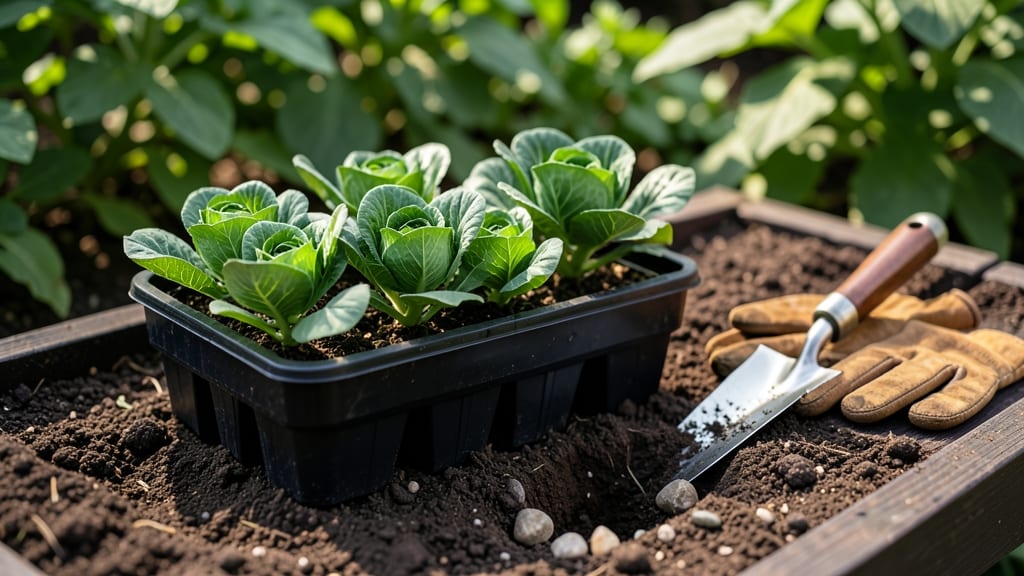
Knowing when to plant cabbage in Zone 8a can mean the difference between a thriving harvest and a bolted disappointment. The key? Timing your 🥬 plants just right to dodge the brutal summer heat that sends most cabbage varieties running for the hills.
In Zone 8a, your best bets are early spring or late summer plantings—think February-March or July-August. This schedule lets you grow heat-tolerant varieties that actually thrive in Southern climates, avoiding the 60-100 day window where summer's intensity would otherwise turn your cabbage into a sad, bitter mess.
But here's the twist: fall planting often outperforms spring in Zone 8a. Why? Because those October-December harvests escape the worst heat while still giving you crisp, flavorful heads. We'll break down exactly when to start seeds indoors versus transplanting for maximum success.
Ready to grow cabbage that actually makes it to harvest? Let's dive into the exact dates, soil prep secrets, and heat-beating strategies that'll have your garden producing cabbage like a pro—no bolting in sight.
Optimal planting windows for cabbage in Zone 8a (fall & spring)
Zone 8a’s mild winters and hot summers create a unique challenge for growing cabbage. Unlike cooler climates, you’ll focus on spring and fall plantings to avoid the bolting triggered by summer heat.
The key is timing your transplants to align with soil temperatures below 80°F and daytime highs under 85°F.
For spring cabbage, start seeds indoors 6-8 weeks before your last frost date (typically mid-February). Transplant seedlings outdoors 4-6 weeks before the last frost, usually by early March. This gives your cabbage 60-70 days of cool weather to mature before summer heat sets in.
Fall plantings are often more reliable in Zone 8a. Begin seeds indoors in early July or transplant late July to early August. This timing ensures your cabbage matures by October before the first frost hits in mid-November. Fall crops also benefit from cooler nights, reducing bolting risks.
Direct sowing is possible but riskier in Zone 8a. If you choose this method, plant seeds 2-3 weeks before your preferred transplant date to give them a head start. However, seedlings are more resilient and transplants yield better results in Southern climates.
Zone 8a Cabbage Planting Schedule
| Season | Planting Window | Soil Temp | Transplant Date | Harvest Window |
|---|---|---|---|---|
| Spring | Start seeds indoors: Late Jan - Early Feb | 50-60°F | Early March | May - Early July |
| Spring | Transplant outdoors: 4-6 weeks before last frost | 55-70°F | Early March | May - July |
| Fall | Start seeds indoors: Early July | 60-70°F | Late July - Early Aug | October - Mid-Nov |
| Fall | Transplant outdoors: Late July - Early Aug | 70-75°F (max) | Late July - Early Aug | Oct - Mid-Nov |
When planting, choose a sunny location with well-draining soil and partial afternoon shade if possible. Zone 8a’s intense afternoon sun can stress young plants, so providing some shade with row covers or shade cloth can improve survival rates.
Avoid planting cabbage in June or September unless you’re using heat-tolerant varieties and providing extra shade. These months often bring temperatures above 90°F, which triggers bolting. Instead, focus on the cooler shoulder seasons for the best results.
For container gardening in Zone 8a, start seeds in early February or July and transplant into 5-gallon pots with moisture-retentive soil. Containers warm up faster, so monitor soil moisture closely and move pots to shadier spots during peak heat.
Pro tip: Use mulch to regulate soil temperature and retain moisture. A 2-3 inch layer of straw or wood chips keeps roots cool and reduces watering needs during Zone 8a’s dry spells.
Finally, always check your local frost dates—they can vary slightly even within Zone 8a. Adjust your planting window by 1-2 weeks if your area tends to be warmer or cooler than average.
Optimal planting windows for cabbage in Zone 8a (fall & spring)
In Zone 8a, where summers are scorching and winters mild, timing your cabbage planting is critical. The key is to avoid the heat stress that causes bolting—when cabbage flowers prematurely. Your best bets are early spring and late summer, when temperatures are cooler and more predictable.
For spring planting, aim to start seeds indoors 6-8 weeks before your last frost date (around February 15 in Zone 8a). Transplant seedlings outdoors 4-6 weeks before last frost, typically by early March. This gives your cabbage enough time to mature before summer heat arrives.
For fall planting, the window is narrower but equally rewarding. Start seeds indoors in mid-July or buy transplants in early August. You’ll need to harvest before the first frost (November 15), so plan for a 60-70 day variety to ensure success.
| Season | Planting Window | Soil Temp | Key Tip |
|---|---|---|---|
| Spring | Feb 15 - Mar 15 | 50-60°F | Use shade cloth if temps rise above 80°F. |
| Fall | Jul 15 - Aug 15 | 60-70°F | Choose heat-tolerant varieties like 'Cavalo'. |
| Avoid | May - Sep | Above 85°F | Bolting risk is extremely high. |
Direct sowing is possible in Zone 8a, but transplanting gives you more control. Start seeds in biodegradable pots to minimize root disturbance. Harden off seedlings for 7-10 days before transplanting, gradually exposing them to outdoor conditions to reduce shock.
Spacing is another critical factor. Plant cabbage 18-24 inches apart in rows 24-30 inches apart to allow airflow and reduce disease risk. In containers, use 5-gallon pots with drainage holes and plant one cabbage per container.
After transplanting, keep soil consistently moist but not soggy. Mulch with straw or shredded leaves to retain moisture and regulate soil temperature. This is especially important in Zone 8a’s fluctuating summer heat, where soil can dry out quickly.