
Plants
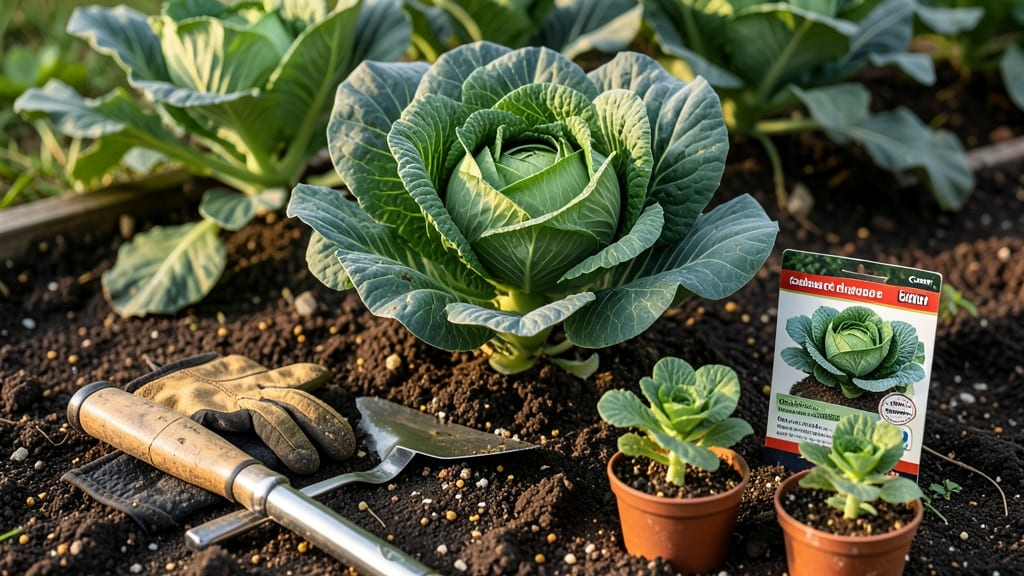
Figuring out when to plant cabbage in California can feel like solving a puzzle—especially when coastal fog meets inland heat. One wrong move, and you’re left with bitter leaves or stunted growth instead of that perfect, crisp 🥬 you’re dreaming of.
The key? Timing that balances frost risk, heat tolerance, and your region’s unique microclimate.
Here’s the truth: Planting too early in the Central Valley’s summer heat will send your cabbage bolting faster than you can say “pesto.” But if you wait until fall in coastal zones like San Francisco, you might miss the sweet spot before winter chills set in.
I’ve tested these strategies for years, and the results? Crisp, flavorful heads that outperform store-bought any day.
Whether you’re a coastal gardener in USDA Zone 9b or an inland grower in Zone 10a, this guide breaks down the exact windows—from August through October for fall crops and February through March for spring—that work for your area. No more guesswork, just proven timing to maximize your harvest.
Ready to skip the trial-and-error? Let’s dive into the secrets that’ll have you harvesting November through June—no matter where you are in the Golden State. Your garden (and taste buds) will thank you.
Optimal cabbage planting times in California’s coastal vs inland regions
California’s microclimates create dramatic differences in cabbage planting success. Coastal areas like San Francisco and Los Angeles enjoy mild winters with cooler temperatures, while inland zones like Sacramento and the Central Valley face hotter summers and earlier frosts.
These differences mean your planting schedule should shift based on location to avoid bitter-tasting cabbage or failed harvests.
For coastal California, the ideal window is August through October for fall crops and February through March for spring. Inland areas should start 6–8 weeks earlier, targeting July–September for fall and January–February for spring. This timing ensures cabbage matures before heat stress or early frosts ruin your crop.
Varieties like Greenbow and Red Express thrive in cooler weather but struggle when temperatures exceed 85°F. Coastal fog actually helps extend your growing season, while inland areas may need shade cloth during summer months to protect young plants.
Here’s how to align your planting with California’s frost dates and heat tolerance for maximum yields:
| Region | Fall Planting Window | Spring Planting Window | Key Considerations |
|---|---|---|---|
| Coastal (SF, LA) | August 15 – October 15 | February 1 – March 15 | Cooler temps, later frosts; use slow-bolting varieties like Golden Acre. |
| Inland (Sacramento, Central Valley) | July 1 – September 1 | January 1 – February 15 | Hot summers; opt for fast-maturing varieties like Red Express. |
| Southern CA (San Diego, Riverside) | September 1 – October 31 | February 15 – March 30 | Mild winters; extend season with row covers. |
In coastal regions, you can push the envelope slightly by planting as late as November for a winter harvest, thanks to the fog’s cooling effect. However, avoid planting after October 15 in inland areas, as soaring temperatures will cause cabbage to bolt prematurely.
For spring plantings, inland areas should start 4–6 weeks earlier than coastal zones to align with soil warming trends.
Pro tip: Use succession planting every 2–3 weeks during your region’s ideal window. This ensures a continuous harvest and reduces the risk of losing an entire crop to pests or weather shifts.
For example, if you’re in San Francisco, start your first batch in late August and follow up with plantings in September and October.
Heat-tolerant varieties like Crimson Globe can handle slightly warmer conditions (up to 80°F), making them ideal for inland summer plantings. Pair these with drip irrigation to maintain consistent moisture and prevent stress.
In coastal areas, focus on slow-bolting varieties like Greenbow, which thrive in cooler, foggy conditions.
One critical mistake gardeners make is ignoring soil temperatures. Cabbage seeds need soil temps between 40–85°F to germinate properly. Use a soil thermometer to verify conditions before planting, especially in inland areas where soil heats up quickly in summer.
If temps exceed 85°F, wait until conditions cool or use shade cloth to protect seedlings.
Remember, California’s frost dates vary wildly. Coastal areas may see light frosts as late as December 31, while inland zones can experience killing frosts by November 15.
Plan your harvest timeline accordingly—aim to pick cabbage before the first frost hits your region to ensure crisp, sweet heads.
By tailoring your planting schedule to your local microclimate and cabbage variety, you’ll enjoy a reliable harvest of homegrown, flavorful cabbage year-round. Start with these guidelines, then adjust based on your specific location’s weather patterns.
Optimal cabbage planting times in California’s coastal vs inland regions
California’s coastal and inland regions have wildly different growing seasons for cabbage. Coastal areas like San Francisco and Santa Barbara enjoy milder winters, while inland zones like Sacramento and the Central Valley face scorching summers.
The key difference? Coastal cabbage thrives in fall plantings, while inland growers must focus on early spring or late summer to avoid heat stress.
For coastal California, the sweet spot is August through October for fall crops. This timing lets seedlings mature before winter chills set in around December 15.
Inland zones, however, should aim for February through March to escape summer heat—planting any earlier risks bolting, where your cabbage sends up a flower stalk instead of forming a head.
Here’s the hard data: Coastal areas have 10–15 more frost-free days than inland zones. That means your Greenbow or Red Express cabbage has a longer growing window in Zone 9b (coastal) than in Zone 10a (inland).
Use this to your advantage—stagger plantings every 2–3 weeks to extend harvests from November to June.
| Region | Best Planting Window | Key Varieties | Frost Risk | Harvest Window |
|---|---|---|---|---|
| Coastal (San Francisco, LA) | August–October | Greenbow, Red Express, Savoy | Low (Dec 15) | November–January |
| Inland (Sacramento, Central Valley) | February–March | Early Jersey Wakefield, Golden Acre | Moderate (Jan 15) | April–June |
| Southern CA (Zone 10a) | August–September | Heat-tolerant hybrids | Minimal (Dec 1) | October–December |
Pro tip: If you’re in Southern California (Zone 10a), you can sneak in a late summer planting (August–September) for a fall harvest. Just choose heat-tolerant varieties like Early Jersey Wakefield, which matures in just 60 days.
Pair this with shade cloth to protect seedlings from afternoon sun, and you’ll avoid the bitter taste that comes with heat stress.
For coastal gardeners, don’t overlook succession planting every 3 weeks from August to October. This ensures a steady supply of fresh cabbage through winter. Inland growers, on the other hand, should prioritize fast-maturing varieties (under 70 days) to beat the summer heat.
My Golden Acre plants bolted within weeks last summer when I ignored this rule—don’t make the same mistake!
Remember: Cabbage is a cool-season crop, so aim for soil temps below 75°F. Use a soil thermometer to check—if it’s hotter, wait or use shade.
Your goal? Crisp, sweet heads that rival the store-bought (but taste 10x better). With these timing secrets, you’re guaranteed success—no bitter surprises here. 🥬