
Plants
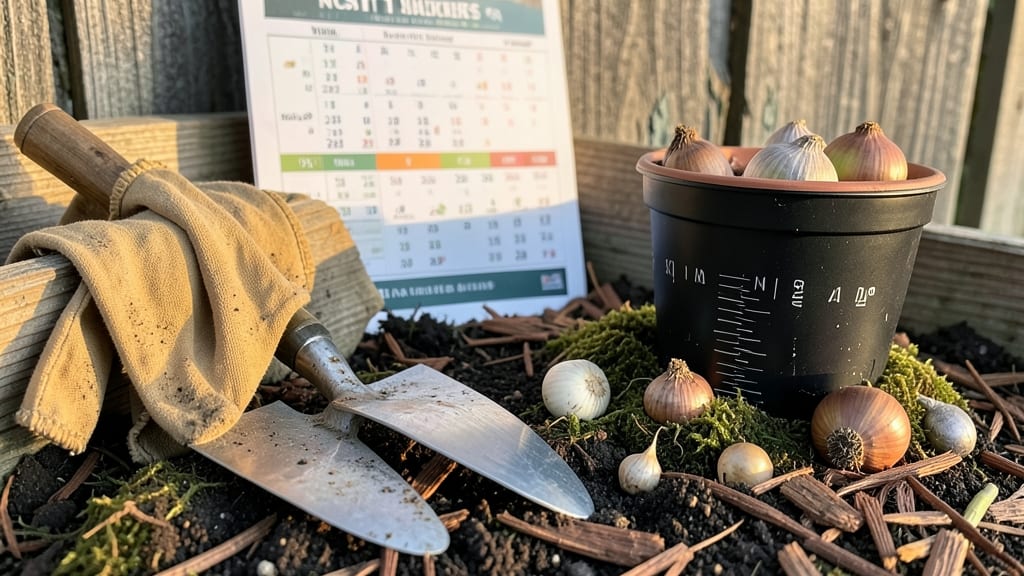
Planting Spring Flowering Bulbs 🌷 at the wrong time in North Carolina can mean the difference between a garden bursting with color and a missed opportunity.
The key to vibrant tulips, daffodils, and crocuses lies in understanding your local zone—whether you're in the cooler mountains or warmer Piedmont—so you don't rush or delay planting past the critical window.
Most gardeners know fall is the prime time, but did you know your exact deadline shifts from September to November depending on where you live? In Zone 6a, you’ve got until mid-November, while Zone 8b gardeners should plant by early November to avoid winter damage.
Getting this timing right ensures your bulbs establish strong roots before the ground freezes.
What happens if you miss the fall window? Don’t panic—spring planting is still an option for certain bulbs, though it requires extra care. I’ll show you how to adjust your approach based on your zone and bulb type, so you can still enjoy those cheerful blooms come spring.
Ready to transform your garden? Let’s break down the exact planting schedule, soil prep tips, and post-planting care tailored to North Carolina’s climate zones. Your future spring garden starts with the right move now.
North Carolina planting zones: when to plant bulbs by region (7a-8b)
North Carolina spans USDA zones 7a through 8b, creating distinct planting windows for bulbs. In cooler Zone 7a (western mountains), aim for September 15–October 15 deadlines, while warmer Zones 7b–8b (coastal and Piedmont) allow until November 15.
Cities like Asheville (7a) freeze earlier than Raleigh (7b) or Charlotte (8a), so adjust timing accordingly.
Bulbs like tulips and daffodils thrive when planted 6–8 weeks before frost. In Zone 7a, that’s typically mid-September, while Zone 8b gardeners can plant until late November. Check your last frost date—most NC regions average November 15, but mountain areas freeze sooner.
Soil temperature is critical: bulbs need 60°F or cooler to root properly. Use a soil thermometer in Zones 7b–8a to avoid planting too late when soils warm back up. Tender bulbs (like dahlias) must wait until spring in Zone 8b.
Here’s how to align planting with NC’s zones and bulb types:
| Zone | Key Cities | Best Planting Window | Bulb Examples | Soil Prep Tip |
|---|---|---|---|---|
| 7a | Asheville, Boone | Sep 15–Oct 15 | Tulips, Hyacinths, Crocuses | Add compost; mulch after planting |
| 7b | Raleigh, Greensboro | Sep 1–Nov 1 | Daffodils, Alliums, Snowdrops | Test soil pH (6.0–7.0 ideal) |
| 8a | Charlotte, Durham | Oct 1–Nov 15 | Fritillaries, Grape Hyacinths | Loosen clay soil with sand |
| 8b | Wilmington, Fayetteville | Nov 1–Nov 30 | Crinum Lilies, Rain Lilies | Plant deeper (2x bulb height) |
For Zone 7a, prioritize early September plantings to avoid early frosts. In Zones 7b–8a, stretch deadlines to mid-November for spring blooms. Zone 8b gardeners can even plant tender bulbs in December if soils stay warm.
Pro tip: Use NC State Extension’s frost maps to fine-tune timing. For example, Mountain regions may need to plant 2–3 weeks earlier than coastal areas. Always plant bulbs in well-draining soil to prevent rot, especially in clay-heavy Piedmont soils.
Spring-planted bulbs (like dahlias) are an exception—wait until after last frost (typically mid-March) in all zones. These bulbs thrive in warm soils and bloom in summer.
Remember: Fall planting ensures roots establish before winter, while spring planting risks weak growth. Zone 8b gardeners can push boundaries with winter-blooming bulbs like Christmas amaryllis, planted as late as December.
🌱
Best fall planting deadlines for spring blooms: a month-by-month guide
North Carolina’s fall planting window is your golden opportunity to get tulips, daffodils, and crocuses established before winter. The general rule? Plant 6-8 weeks before the ground freezes, but your exact deadline depends on your zone.
In Zone 7a (mountains), aim for mid-October to early November, while Zone 8b (coastal) gardeners should finish by late October.
Why the rush? Bulbs need time to develop strong root systems before winter. If planted too late, they’ll struggle to survive frost, leaving you with no spring blooms. For example, tulips planted in November in Zone 7a may not bloom as vigorously as those planted in October.
The key is balancing soil temperature (ideally 40-50°F) and frost dates.
Here’s your month-by-month breakdown for fall bulb planting in NC, including soil prep tips to maximize success:
Test your soil pH (6.0-7.0) and amend with compost. Loosen soil to 12 inches deep for easy bulb placement.
Plant dahlias and cannas (tender bulbs) by mid-September. For hardy bulbs like tulips and hyacinths, start in late September.
The best time for most bulbs! Plant daffodils, crocuses, and alliums by mid-October. In Zone 7a, finish by early November.
Only plant hardy bulbs like snowdrops in early November. Avoid planting after the first frost—bulbs need root growth time.
Focus on mulching planted bulbs with 3-4 inches of straw to insulate roots. No new bulbs should go in the ground!
Pro tip: Water deeply after planting to encourage root growth, but avoid overwatering—soggy soil can cause rot. Mulch after the ground freezes to protect bulbs from temperature fluctuations. In Zone 7a, where winters are colder, add an extra layer of mulch for extra insulation.
Missed the fall window? Don’t worry—spring planting is still possible for certain bulbs, but it requires extra care. For now, mark your calendar and set aside time in October for the best results. Your spring garden will thank you with bold, early blooms that brighten up chilly days! 🌷