
Plants
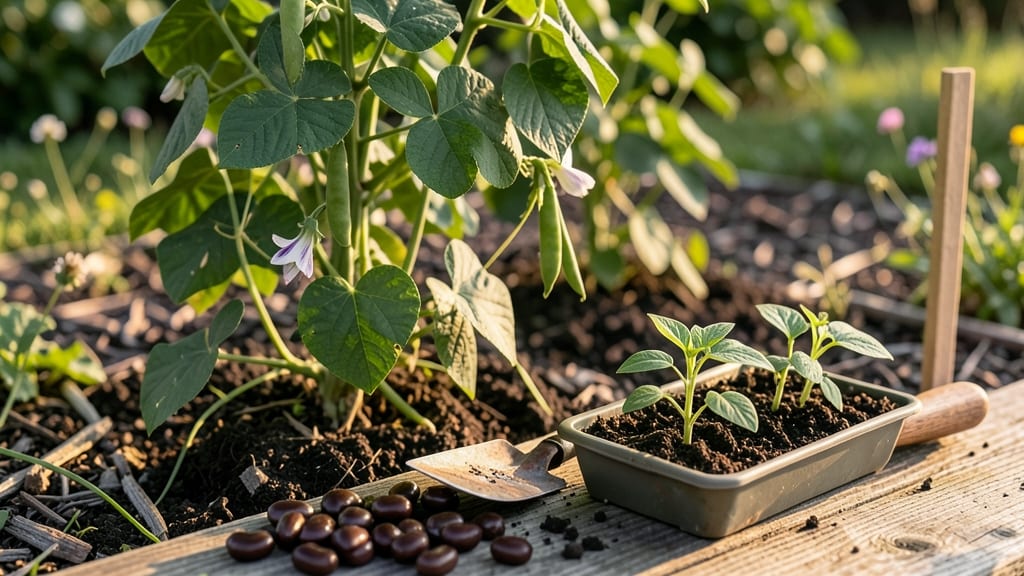
Knowing when to plant beans in Minnesota can mean the difference between a bumper crop and wasted effort. With our short growing season and unpredictable spring weather, timing is everything for your 🌱 harvest.
Plant too early, and frost will nip your beans in the bud. Wait too long, and you’ll miss out on weeks of fresh, homegrown pods.
Most Minnesota gardeners aim to plant beans between mid-May and early June, right after the last frost date. But here’s the catch: soil temperature matters just as much as calendar dates.
Beans need warm soil—at least 60°F—to germinate properly. If your spring drags on, don’t rush; cooler soil will slow or even stop germination, leaving you with patchy growth.
This guide will walk you through the exact weeks before last frost to plant for reliable yields, plus how to adjust for Minnesota’s quirky weather. We’ll cover the best varieties for your zone, soil prep tips, and even companion plants to boost your harvest.
Whether you’re a first-time gardener or a seasoned pro, these strategies will help you maximize your bean patch from July through September.
Ready to turn your garden into a bean bonanza? Let’s dive into the steps that’ll have you picking fresh pods in no time—without the guesswork.
Best weeks before last frost to plant beans in Minnesota (with exact dates)
Minnesota’s short growing season demands precision when planting beans. Most gardeners should aim for 2-4 weeks before the last frost date, typically between May 15-31 in most regions. However, northern Minnesota (USDA zones 3-4) may need to wait until June 1-15 to avoid frost damage.
For bush beans, which mature faster, start planting 1-2 weeks after your last frost date. Pole beans, with their longer vines, benefit from a slightly later start—2-3 weeks post-frost—to ensure they have enough time to establish roots before summer heat arrives.
In southern Minnesota (USDA zones 4b-5a), you can push the timeline slightly earlier, around mid-May. But always check soil temperatures, which should be at least 60°F (15°C) for optimal germination. Cold soil slows growth and increases disease risk.
Here’s a quick rule of thumb: Plant beans when your local weather service reports frost-free conditions and the soil is warm enough. Use a soil thermometer to confirm—beans won’t thrive in cooler conditions.
If you’re unsure about your last frost date, consult the Minnesota State Climatology Office or use a frost calendar for your specific county. Northern counties like International Falls may have frost risks well into June, while southern areas like Rochester can plant as early as late April in some years.
🌱 Minnesota Bean Planting Timeline
| Bean Type | Planting Window | Days to Maturity | Best For |
|---|---|---|---|
| Bush Beans | 1-2 weeks after last frost (May 15-31) | 50-60 days | Small gardens, containers |
| Pole Beans | 2-3 weeks after last frost (May 31-June 15) | 60-70 days | Trellises, vertical gardens |
| Snap Peas | 1 week before last frost (late April-early May) | 60-70 days | Early harvest, cool weather |
🌱 Adjust dates based on your specific USDA zone and microclimate.
For gardeners in northern Minnesota, consider starting bush beans indoors 4-6 weeks before the last frost. Transplant seedlings outdoors after Memorial Day to give them a head start. This method works well for short-season varieties like ‘Provider’ or ‘Tendercrop’.
If you miss the spring planting window, don’t despair! Fall planting is possible in southern Minnesota. Sow seeds in late July to early August for a harvest before the first frost. Choose fast-maturing varieties (50-55 days) to ensure success.
Always monitor your garden’s microclimate. Areas near lakes or rivers may warm up faster, allowing earlier planting. Conversely, low-lying spots can stay colder longer, delaying your planting date. Use frost cloth for extra protection if early frosts threaten.
Pro tip: Mark your last frost date on your calendar and count backward. For most of Minnesota, planting 4-6 weeks before the last frost ensures beans have enough time to mature before fall’s chill sets in. This timing aligns with Minnesota’s 150-day growing season in most regions.
How to adjust bean planting time for Minnesota’s unpredictable spring weather
Minnesota’s spring weather can be as unpredictable as a northern breeze, making it tricky to nail down the perfect planting time for beans. If you’ve ever planted too early and watched frost kill your seedlings, or too late and missed half the growing season, you know the stakes.
The key is flexibility—adjusting your planting schedule based on soil temperature, weather forecasts, and even microclimates in your garden.
First, always check the soil temperature before planting. Beans need soil that’s at least 60°F (15°C) to germinate properly. Use a soil thermometer to avoid guesswork. If your soil is still cool in May, wait a few more weeks—cold soil slows germination and can lead to weak, disease-prone plants.
In northern Minnesota, this might mean pushing planting back to early June.
Another trick is using row covers or frost cloth to extend your planting window. These lightweight fabrics can protect young seedlings from late frosts, allowing you to plant 1-2 weeks earlier than usual.
Simply lay the cover over your bean rows in the evening and remove it during the day to let sunlight through. This method works especially well for bush beans, which mature faster and can tolerate cooler temperatures better than pole beans.
⚠️ Warning: Late Frosts Can Wipe Out Your Beans
If you’re planting in northern Minnesota (USDA zones 3-4), late frosts are a real risk. Even after your official last frost date, temperatures can dip below freezing. Here’s how to protect your beans:
- Use row covers for the first 2-3 weeks after planting.
- Avoid planting near low-lying areas where cold air settles.
- Choose fast-maturing varieties (50-55 days) to minimize frost risk.
- Monitor weather forecasts and have frost cloth ready.
If your spring is unusually cold or wet, consider starting bush beans indoors 4-6 weeks before your last frost date. Use small pots or seed trays and place them in a sunny window or under grow lights.
Once the soil warms up and frost risk passes, transplant the seedlings outdoors. This method gives your beans a head start and can add 2-3 weeks to your growing season, which is crucial in Minnesota.
For gardeners in southern Minnesota, where springs can arrive early, don’t rush to plant. Early planting in cold soil can lead to poor germination and disease issues. Instead, wait until the soil reaches 60°F and the air temperature consistently stays above 55°F.
This usually happens around late May, giving you a reliable window to plant beans without risking frost damage.
Finally, keep an eye on the weather forecast in the days leading up to your planting date. If a cold snap is predicted, delay planting or use row covers for protection.
In Minnesota, a single late frost can set your entire bean crop back by weeks, so it’s better to be cautious. With these adjustments, you’ll be well on your way to a bountiful bean harvest despite the challenges of our unpredictable climate.