
Plants
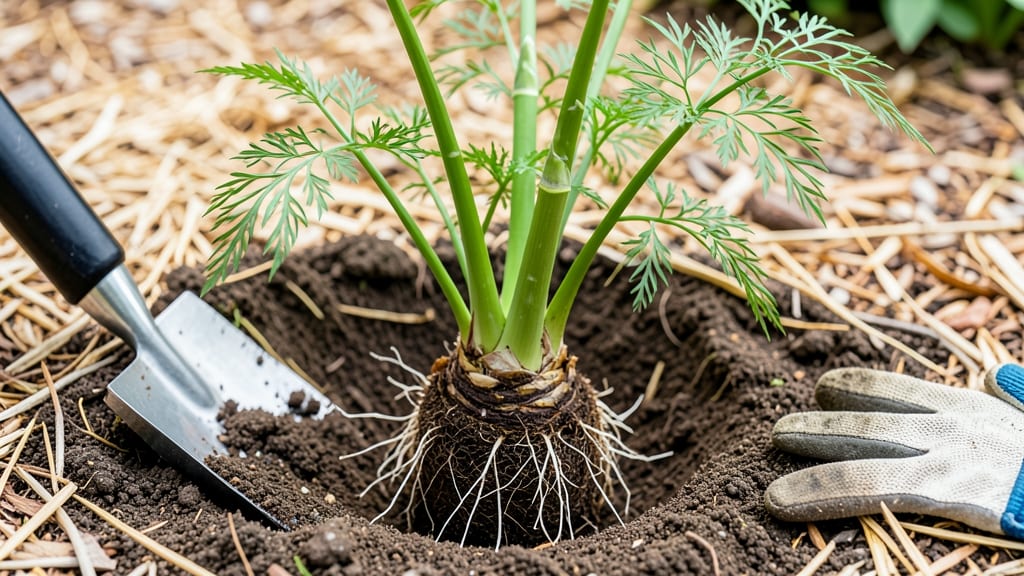
Planting asparagus at the wrong time in Zone 6 could mean waiting years before your first harvest—because this perennial takes patience to establish. The key to success lies in timing it just right, when soil temperatures warm enough to encourage strong root growth but before summer’s heat sets in.
For gardeners in Zone 6, the ideal window opens in early spring—typically between March and April—when the last frost has passed and the ground is workable. This gives your asparagus crowns or seeds the perfect head start, setting the stage for a bountiful harvest in years to come.
But here’s the catch: rushing too early can leave young plants vulnerable to frost damage, while planting too late may stunt their growth before summer arrives.
I’ll walk you through the exact steps to prepare your soil, choose the right variety, and care for your asparagus so it thrives for decades.
Whether you’re a first-time gardener or a seasoned pro, mastering this timing will transform your garden into a spear-producing powerhouse. Let’s get those crowns in the ground the right way.
Best planting months for asparagus in Zone 6 (with exact dates)
Planting asparagus in Zone 6 requires precision—timing your crowns or seeds just right ensures a thriving perennial crop. The ideal window is early spring, when soil temperatures reach 50°F (10°C) and the threat of late frosts has passed.
For most of Zone 6, this means March to early April, but exact dates depend on your specific microclimate.
Zone 6’s average last frost date is around April 15, but don’t rush—planting too early risks crown rot from cold, wet soil. If you’re in Zone 6a (colder end), wait until mid-April.
For Zone 6b (warmer), late March works. Fall planting is not recommended in Zone 6, as the short growing season leaves little time for roots to establish before winter.
Soil temperature is critical. Use a soil thermometer to confirm it’s at least 50°F (10°C)—asparagus crowns won’t sprout until then. If your soil is still chilly, hold off for 1-2 weeks or use black plastic mulch to warm it faster.
This small step can mean the difference between success and failure for your asparagus bed.
Here’s a quick guide to Zone 6 asparagus planting based on your location’s frost patterns:
| Planting Stage | Zone 6a (Colder) | Zone 6b (Warmer) |
|---|---|---|
| Soil Temperature | 50°F+ (mid-April) | 50°F+ (late March) |
| Last Frost Date | April 20 | April 10 |
| Ideal Planting Window | April 15-30 | March 25-April 15 |
| Soil Prep Time | 2-3 weeks before planting | 2-3 weeks before planting |
| First Harvest | Year 3 (late May) | Year 3 (early May) |
If you miss the spring window, don’t panic—you can still plant asparagus in late May, but expect a delayed first harvest by 1-2 years. The key is ensuring the crowns have 4-6 weeks of warm soil before winter sets in.
For container growing, extend your window slightly—containers warm up faster in spring.
Preparing your soil is just as important as timing. Asparagus thrives in well-draining, slightly alkaline soil (pH 6.5-7.5). Work in 2-3 inches of compost and a balanced fertilizer (10-10-10) before planting.
Avoid fresh manure—it can burn crowns and attract pests. A raised bed is ideal for Zone 6, as it improves drainage and warms up faster in spring.
Once planted, mulch heavily with straw or wood chips to retain moisture and regulate soil temperature. This is especially critical in Zone 6, where temperature swings can stress young plants. Water deeply 2-3 times per week for the first month, then taper off as roots establish.
By Year 2, your asparagus will be drought-tolerant, but early care makes all the difference.
Pro tip: Mark your asparagus bed with stakes or flags—it’s easy to forget where you planted it, and disturbing the roots in Years 1-2 can set back harvests by a full season.
Patience is key; first harvests won’t come until Year 2 or 3, but once established, your asparagus patch can produce for 15-20 years with minimal care.
For Zone 6 gardeners, the best time to plant asparagus is clear: early spring, when soil is warm and frosts are behind you. Follow these guidelines, and you’ll be enjoying homegrown spears for decades—no grocery store asparagus needed!
Best planting months for asparagus in Zone 6 (with exact dates)
Zone 6’s cool springs and unpredictable frosts make timing critical for asparagus success. The ideal planting window is between mid-March and mid-April, when soil temperatures reach 50-60°F—warm enough for roots to establish but cool enough to avoid summer stress.
For gardeners in Zone 6a (colder microclimates), aim for late March to early April after the last average frost date (April 15). In Zone 6b (warmer), you can plant as early as February’s end if soil isn’t frozen.
Fall planting is possible but risky—only attempt it in late August to early September, giving roots time to establish before winter. Most Zone 6 gardeners skip fall planting due to frost vulnerability.
| Planting Window | Soil Temp | Frost Risk | Best For |
|---|---|---|---|
| Mid-March to Mid-April | 50-60°F | Low (post-last frost) | Crowns (ideal) |
| Late August to Early Sept | 60-70°F | Moderate (fall frosts) | Seeds (experimental) |
| February (Zone 6b only) | 45-50°F | High (early frost risk) | Crowns (warm microclimates) |
Use a soil thermometer to confirm temperatures—cold soil delays root growth. If planting in March, cover crowns with straw mulch (3-4 inches) to insulate against late frosts (28°F or below).
For container growing, plant in late April when nighttime temps stay above 40°F. Containers warm faster and are more frost-sensitive than in-ground plantings.
After planting, water deeply to settle soil and encourage root contact. Avoid overwatering—soggy soil causes crown rot, a common killer of young asparagus. Mulch again in spring to retain moisture as spears emerge.