
Plants
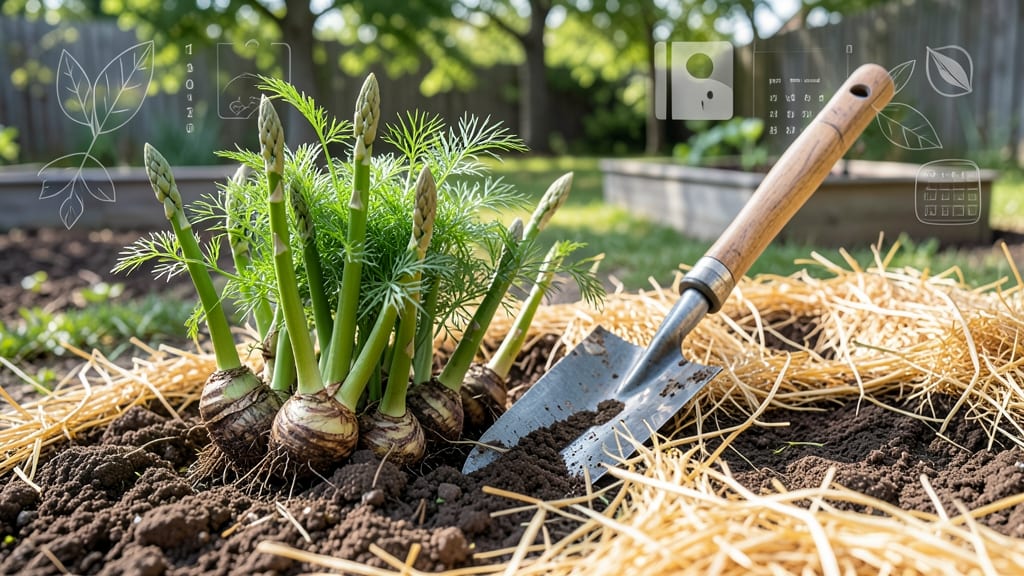
Timing your asparagus planting in Nebraska can mean the difference between a bountiful harvest and wasted effort. With Nebraska's unpredictable spring frosts and variable USDA Zones 5a-6b, getting those crowns in the ground at just the right moment is the key to success.
I've seen firsthand how a week too early can fry tender shoots, while planting too late might leave you scrambling to establish roots before summer heat sets in.
Most Nebraska gardeners swear by early spring planting between March and April, but there's more to it than just picking a month. You'll want to wait until soil temperatures consistently reach 40°F—a critical threshold that signals it's safe to plant.
This timing ensures your 🌱 asparagus crowns establish strong roots before the real growing season kicks in, setting you up for that first harvest in June or July of the third year.
What I've learned is that Nebraska's climate demands patience and precision. Whether you're in Lincoln, Omaha, or rural areas, local frost-free dates can vary by two weeks or more.
That's why I'll walk you through exactly how to time your planting based on your specific microclimate, plus the best varieties that thrive in our Zone 5-6 conditions. Let's make sure your asparagus gets off to the right start.
The secret to long-term success isn't just about when you plant—it's about preparing your soil properly and understanding your asparagus' growth cycle. I'll share my top tips for Nebraska gardeners to avoid common mistakes that can derail even the most well-timed planting.
Trust me, getting this right now will save you headaches (and lost harvests) down the road.
Nebraska asparagus planting calendar: exact dates by frost-free zones 5-6
Nebraska’s variable frost dates make timing critical for asparagus success. Planting too early risks crown damage, while waiting too long delays root establishment. The key is soil temperatures of 40°F+ and frost-free conditions—typically mid-April in most of the state.
For Zone 5a areas (like western Nebraska), aim for late April planting when nighttime temps stay above 32°F.
In Zone 6b (eastern Nebraska), you can start as early as early April, but always check your local last frost date—Lincoln averages April 15, while Omaha leans toward April 20.
Asparagus crowns are perennial, meaning they’ll produce for 10+ years if planted correctly. This makes spring planting the preferred method in Nebraska—fall planting (September) is riskier due to early freezes and requires extra care to protect crowns.
Here’s your Nebraska-specific planting timeline, accounting for soil warmth and frost risks:
| Zone | Ideal Planting Window | Soil Temp Requirement | Backup Date (Late Frost) | Key Risk |
|---|---|---|---|---|
| 5a (Western NE) | Late April | 40°F+ for 7+ days | May 1 | Late spring frost |
| 5b (Central NE) | Early to mid-April | 40°F+ for 5+ days | April 25 | Unpredictable frost |
| 6a (Eastern NE) | Early April | 40°F+ for 3+ days | April 10 | Soil too cold |
| 6b (Southeast NE) | Late March | 40°F+ for 5+ days | April 5 | Early frost |
Use a soil thermometer to confirm readiness—asparagus roots need consistent warmth to establish. If temps dip below 40°F, wait 1-2 weeks to avoid stunted growth. Pro tip: Plant Jersey Knight or Mary Washington varieties—they tolerate Nebraska’s alkaline soils better than others.
For fall planting (only recommended in Zone 6b), aim for late August to early September, giving crowns time to root before first frost. Mulch heavily with straw to insulate roots. However, spring planting is far more reliable for Nebraska’s unpredictable winters.
After planting, avoid harvesting for 3 years—this lets roots build energy. In Nebraska, your first harvest will likely be June 2024 if planted in April 2021. Mark your calendar: asparagus spears emerge when soil hits 55°F+, typically late May in most areas.
Local Nebraska Extension offices provide hyper-local frost data. Call ahead or check their websites for 2024 updates—some years, May frosts delay planting until mid-May. Don’t rush: patience pays off with asparagus!
How to choose the right asparagus varieties for Nebraska’s climate
Nebraska’s variable climate—from freezing winters to humid summers—demands asparagus varieties that thrive in USDA Zones 5-6. The wrong choice can lead to poor yields or even crown rot in wet years.
My top recommendations focus on cold hardiness, disease resistance, and harvest windows that align with Nebraska’s growing season.
For early harvests, 'Jersey Knight' is my go-to—it’s disease-resistant and produces tender spears 2-3 weeks sooner than most varieties. If you prefer purple asparagus (richer in antioxidants), 'Purple Passion' handles Nebraska’s alkaline soils better than green types and adds visual appeal to your garden.
Both varieties tolerate short growing seasons and late frosts better than heat-sensitive types.
Avoid tropical varieties like 'Mary Washington' unless you’re in southern Nebraska—they struggle with late frosts and short growing seasons. Instead, opt for 'Pacific 2000' if you want a high-yielding option with green spears that mature faster in cooler climates.
For organic gardens, 'Millennium' stands out for its rust resistance and adaptability to Nebraska’s alkaline soils.
Pro tip: If your garden gets humid summers (common in eastern Nebraska), space plants 18 inches apart to improve airflow and reduce fungal diseases. I’ve seen crown rot wipe out entire beds when plants are crowded—don’t let that happen to you!
For urban gardeners with limited space, 'Baby’s Favorite' is a compact choice, though it yields smaller spears. Pair it with 'Jersey Knight' for a two-tiered harvest from May through July. Just remember: patience is key—asparagus takes 2-3 years to establish, but the long-term rewards are worth it.
Always check the seed packet for Nebraska-specific trials—some nurseries now offer locally tested varieties that outperform generic types. My favorite local source is Nebraska Statewide Arboretum, which sells crowns pre-acclimated to our climate. Planting the right variety means fewer headaches and more spears for your dinner table! 🌱