
Planting
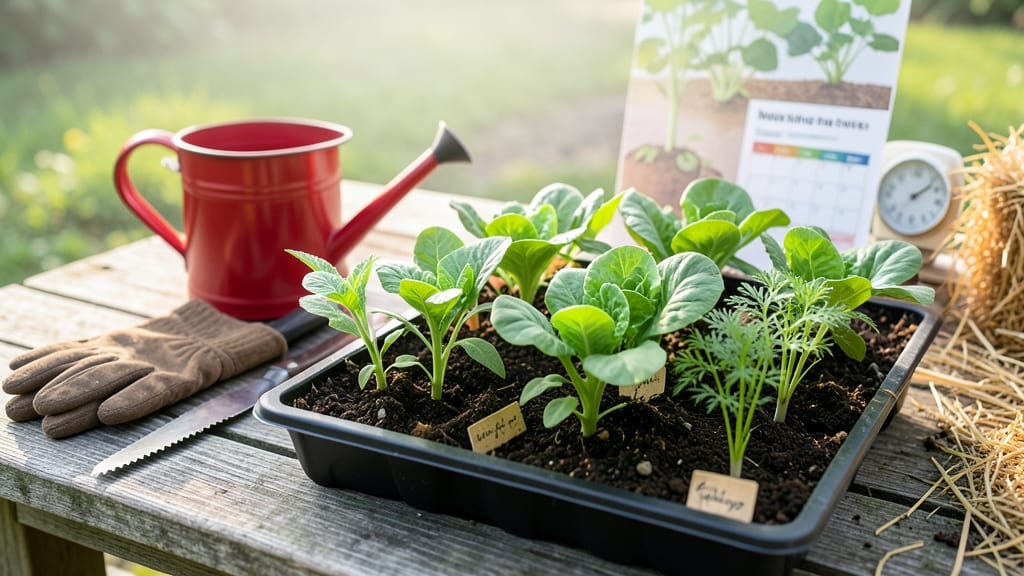
Timing when to plant a vegetable garden in Iowa isn’t just about throwing seeds in the dirt—it’s the difference between a bumper crop and a sad, wilted disappointment.
With only about 165 frost-free days in most of the state, getting those planting dates right means the difference between a harvest and a wasted season.
I’ve learned the hard way that jumping the gun with warm-season crops like tomatoes or peppers before the last frost in mid-April can turn your garden into an icy graveyard. But planting too late? You’ll miss out on the sweet, homegrown rewards you’ve been dreaming of all winter.
The key is knowing when to start cool-season crops like spinach and peas—4-6 weeks before that last frost—and when to wait for the soil to warm up for heat-lovers like cucumbers and beans.
Here’s what I’ll show you: how to read Iowa’s Zone 5a-6b frost dates like a pro, which crops thrive in spring vs. fall, and how to stretch your growing season with simple tricks.
Whether you’re a first-time gardener or a veteran with a few failed attempts under your belt, this guide will help you plan your Vegetable Garden 🥕 like a local expert.
Let’s cut through the guesswork and get your garden on track for a season of fresh, homegrown goodness—starting with the perfect planting window for your Iowa zone.
Iowa’s frost-free timeline: when to plant cool vs warm-season vegetables by Zone 5a-5b
Iowa’s Zone 5a-5b climate means your last spring frost typically arrives around April 15-30, while the first fall frost hits between October 10-20. These dates create a 165-day growing window—just enough for quick-maturing crops but too short for slow growers like artichokes or asparagus.
Understanding these frost dates is critical for timing your cool-season (spinach, peas) and warm-season (tomatoes, peppers) vegetables correctly.
Northern Iowa (Zone 5a) has a shorter frost-free period than southern Iowa (Zone 5b), so adjust your planting schedule accordingly. For example, bush beans in Zone 5a need to go in by May 15, while Zone 5b gardeners can plant them until June 1.
Always check your local Almanac frost dates for the most accurate timing each year.
Here’s how to align your planting with Iowa’s soil temperature thresholds: Most cool-season crops thrive when soil temps are 40-50°F, while warm-season crops need 60-70°F to germinate. Use a soil thermometer to confirm readiness—planting too early in cold soil stunts growth.
For spring planting, start cool-season crops indoors 6-8 weeks before last frost (early March) and transplant seedlings 4-6 weeks before frost (late March). Warm-season crops should wait until 2-3 weeks after last frost (mid-May) when soil is consistently warm.
Fall planting in Iowa works best for cool-season crops like kale or radishes, which can tolerate light frosts. Aim to sow seeds 8-10 weeks before first frost (early August) for a fall harvest. Use row covers to extend the season by 2-3 weeks.
Here’s a quick reference for Iowa’s planting windows by crop type:
| Crop Type | Planting Window (Zone 5a) | Planting Window (Zone 5b) | Soil Temp Requirement | Notes |
|---|---|---|---|---|
| Cool-Season (Spinach, Peas, Lettuce) | March 15 - April 15 | March 20 - April 20 | 40-50°F | Can handle light frost; use row covers. |
| Warm-Season (Tomatoes, Peppers, Cucumbers) | May 15 - June 1 | May 20 - June 5 | 60-70°F | Wait until soil is warm; use black plastic mulch. |
| Fall Cool-Season (Kale, Radishes, Carrots) | August 1 - August 15 | August 5 - August 20 | 50-60°F | Plant early for harvest before hard frost. |
Pro tip: Use succession planting to extend your harvest. For example, sow bush beans every 2 weeks from late May to early July in Zone 5b. This ensures a steady supply even in Iowa’s short season.
If you’re unsure about your last frost date, sign up for local weather alerts or use a frost calendar from the Iowa State University Extension. Their free resources include county-specific planting guides tailored to microclimates.
For warm-season crops, consider starting seeds indoors in March to get a head start. Transplant seedlings outdoors 2-3 weeks after last frost when they’re 3-4 inches tall. Harden them off by placing them outside for 1-2 hours daily for a week before full transplant.
Remember: Iowa’s unpredictable spring weather can delay planting. Always have backup seeds and row covers ready to protect tender seedlings from late frosts. With the right timing, you’ll turn Iowa’s short season into a bountiful harvest! 🌱
Top 5 fast-growing vegetables for Iowa’s short season (and how to extend it)
Iowa’s 165-day growing season means every day counts—especially when you’re racing to harvest before frost. The key to success? Choosing fast-maturing varieties and using succession planting to stretch your harvest window.
These top 5 vegetables thrive in Iowa’s climate and deliver results in 30-60 days, giving you time to replant for a second harvest.
Radishes are the undisputed champions of speed, ready in just 25-30 days—perfect for early spring or late summer plantings. Their quick turnaround lets you squeeze in multiple harvests before frost.
Pair them with bush beans, which mature in 50-60 days and produce prolifically in Iowa’s heat. Both crops tolerate cool evenings and dry spells, making them low-maintenance picks.
Don’t overlook turnips (ready in 40-50 days) and spinach (35-45 days), both of which handle Iowa’s cool springs and fall chills beautifully. For turnips, try the ‘Tokyo Cross’ variety—its mild flavor and fast growth make it a crowd-pleaser.
Spinach’s cut-and-come-again nature lets you harvest leaves repeatedly, extending your harvest by weeks.
To maximize your short season, time your plantings like a pro: Start cool-season crops in early spring (March-April) and again in late summer (August-September). For warm-season crops, wait until 2-3 weeks after last frost (typically mid-May) and keep sowing every 2 weeks until July.
This staggered approach ensures you’re always harvesting something fresh—even when Iowa’s first frost arrives in October.
Pro tip: Use row covers to push early plantings even further. They add 2-4 weeks of frost protection, letting you start spinach or peas in late February or extend your fall lettuce harvest into November. Just
With these fast-growing varieties and smart succession planting, you’ll turn Iowa’s short season into a year-round harvest party—one radish, bean, and leaf at a time. 🌱