
Plants
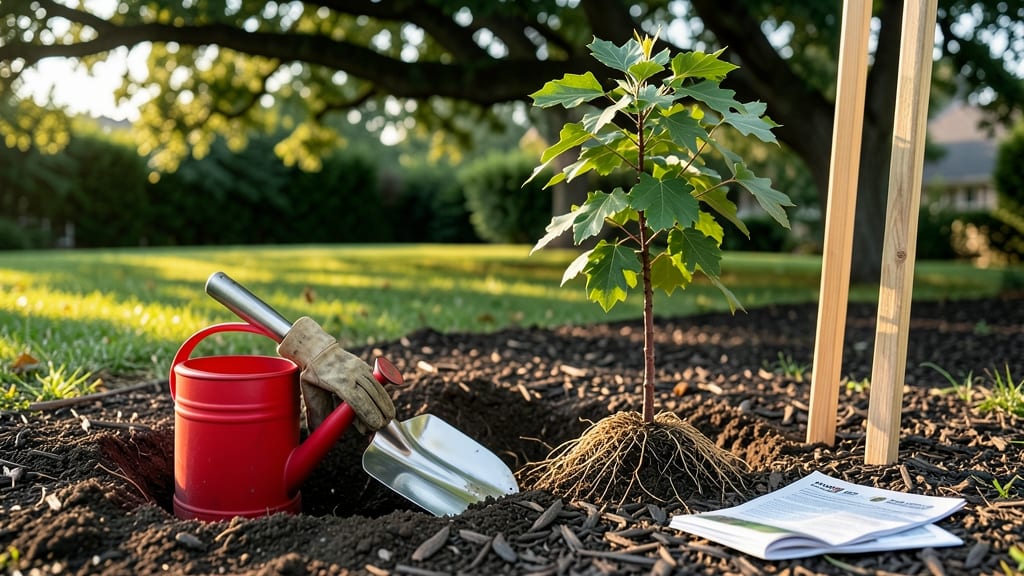
If you’ve ever wondered when to plant a tree in Texas, the answer isn’t as simple as picking a random weekend—it’s about beating the heat, avoiding frost, and giving your 🌳 the best shot at thriving in Texas’ tough climate.
Planting at the wrong time can mean struggling roots, stunted growth, or even death for your young tree. Texas’ extreme temperatures and regional differences (from North to South) make timing everything.
The best months depend on where you live—fall and early spring are your golden windows, but there’s more to it than just the calendar.
I’ll break down the exact timing for your region, whether you’re in humid East Texas, variable Central Texas, or arid West Texas. You’ll also discover how to prep your tree for Texas’ brutal summers and which native species stand the best chance of survival.
Ready to plant with confidence? Let’s dive into the game-changer strategies that’ll set your tree up for long-term success—no guesswork required.
Best months to plant trees in Texas by region (North vs South vs west)
Texas isn’t one-size-fits-all when it comes to planting trees. The North Texas Panhandle faces harsh winters, while South Texas battles summer droughts, and West Texas combines both extremes. Your planting window depends on your USDA zone (8a-10b) and local microclimate.
Let’s break it down by region so you can give your tree the best shot at thriving.
For most of Texas, the ideal planting window is late fall through early spring—specifically, October to December or February to March. These months offer cooler temperatures, allowing roots to establish before the brutal Texas heat or cold sets in.
However, South Texas (Zones 9b-10b) can plant year-round with proper watering, while Panhandle regions (Zone 8a) must avoid late spring to prevent frost damage.
Soil temperature is your secret weapon for success. Aim to plant when soil temps are between 60°F and 70°F—this encourages root growth without stressing the tree.
Use a soil thermometer to check: in North Texas, this typically aligns with late February to early March, while Houston and Gulf Coast areas can plant as late as April.
Rainfall patterns also play a critical role. East Texas (humid) benefits from spring rains, making March and April prime months. Meanwhile, West Texas (arid) requires deep watering schedules even in fall, as summer droughts can linger into October.
Always check your local Almanac frost dates—last frost in Dallas is around March 15, but Amarillo can see frost until April 15.
| Region | Best Planting Months | Soil Temp Goal | Key Consideration |
|---|---|---|---|
| North Texas (Dallas/Fort Worth) | February–March | 60°F–70°F | Avoid late spring frost; amend clay soil. |
| Central Texas (Austin/San Antonio) | October–December or February–March | 60°F–70°F | Caliche layer common; test depth before planting. |
| South Texas (Houston/Gulf Coast) | November–March or year-round with irrigation | 65°F–75°F | Humidity increases fungal risk; space trees for airflow. |
| West Texas (El Paso/Midland) | October–November or February | 55°F–65°F | Drought-prone; mulch heavily and water deeply. |
| Panhandle (Amarillo/Lubbock) | April–May (after last frost) | 50°F–60°F | Wind exposure; stake young trees. |
If you’re planting in spring (March–May), prioritize fast-growing species like Cedar Elm or Texas Redbud, which establish roots quickly before summer heat sets in. For fall planting (October–December), focus on native oaks and pecans, which benefit from cooler temps and winter rains.
Avoid planting in summer (June–August) unless you’re in South Texas with supplemental irrigation—otherwise, your tree will struggle to survive the heat stress.
One common mistake I see is planting too late in spring. By May, Texas soil can reach 90°F+, shocking young roots. If you miss the fall window, opt for container-grown trees with established root balls—they handle heat better than bare-root saplings.
Always water deeply after planting, even in cooler months, to encourage root expansion into the soil.
Regional nurseries are your best resource for localized advice. Ask about mycorrhizal fungi—a natural soil additive that boosts root growth, especially in clay-heavy soils like those in East Texas. For West Texas, consider gypsum amendments to break up compacted soil.
And remember: native Texas trees (like Eastern Red Cedar or Mexican Sycamore) already adapt to your climate, giving them a survival edge over non-native species.
Timing isn’t just about the calendar—it’s about reading your local microclimate. Shade patterns, wind exposure, and even your yard’s drainage slope affect success. For example, North-facing slopes stay cooler longer, while South-facing areas dry out faster. Use these insights to fine-tune your planting schedule for maximum root development.
Finally, don’t overlook tree size at planting. Smaller, 1- to 3-gallon container trees establish
How to prepare your tree for Texas heat: pre-planting tips for root success
Texas summers aren’t just hot—they’re brutal for young trees. Without proper preparation, your sapling could struggle with heat stress, poor root establishment, or even die within months. The key is mimicking natural conditions before planting to harden roots and reduce transplant shock.
Start by selecting container-grown trees over balled-and-burlapped (B&B) options. Container trees have established root systems that adapt faster to Texas’ calcareous soil. If you must use B&B trees, soak the root ball for 2-3 hours before planting to rehydrate roots.
🌱 Soil amendments are non-negotiable. Texas clay soil drains poorly and lacks organic matter. Mix in 2-3 inches of compost and 1 cup of gypsum per hole to improve drainage and reduce compaction. For sandy soils (common in West Texas), add peat moss or coconut coir to retain moisture.
⚠️ Warning: Avoid Fresh Mulch
Fresh wood chips or grass clippings can mat down and trap moisture, causing root rot. Use shredded bark mulch (3-4 inches deep) and keep it 6 inches away from the trunk to prevent disease.
🌡️ Pro Tip: Water the mulch (not the trunk) to settle it properly.
Before planting, prune any broken or circling roots gently with sterilized shears. This encourages outward root growth, which is critical for drought resistance. For large trees, consider root tabbing—a technique where you score the root ball to promote root expansion into native soil.
Timing your watering is just as important as how much you give. Water deeply 2-3 times per week for the first month, then taper to once every 10-14 days once roots establish.
Use a soaker hose or drip irrigation to deliver water slowly at the root zone, avoiding leaf wetness that invites fungal diseases.
Finally, shade cloth can be a lifesaver during the first 4-6 weeks post-planting. Use 30-50% shade cloth to reduce stress on young leaves while allowing light penetration. Remove it gradually to avoid sudden shock when full sun returns.
With these steps, your tree will hit the ground running—ready to tackle Texas’ 100°F+ summers with confidence. 🪴