
Plants
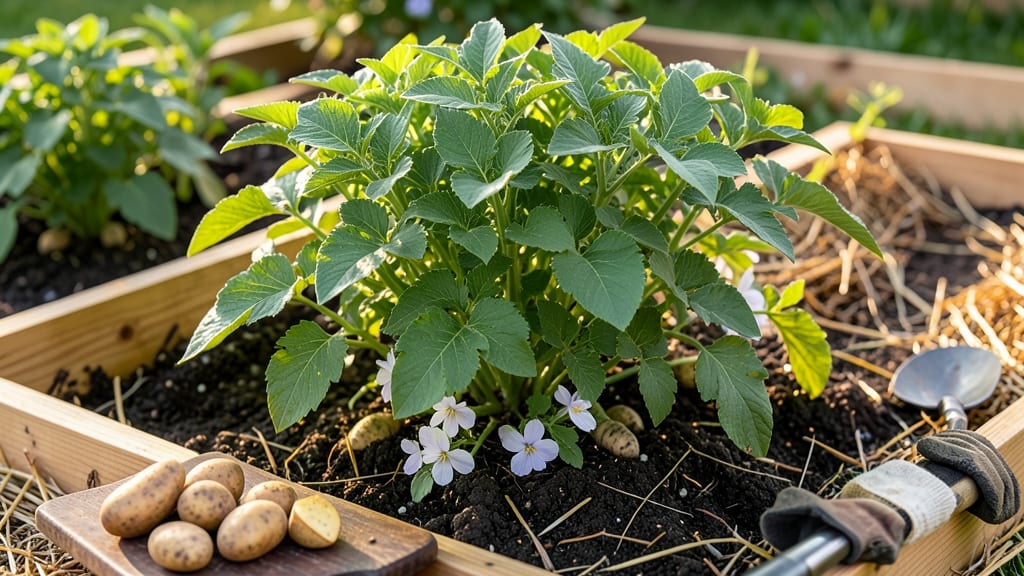
If you're dreaming of a bumper crop of 🥔 this year, when is the best time to plant potatoes in Georgia is the single most important decision you'll make.
Plant too early, and frost will turn your tender sprouts into sad, mushy memories. Too late, and Georgia's summer heat will leave your harvest stunted or diseased.
You're in luck—Georgia's Zone 7b-8a climate actually gives you two prime windows for planting: early spring or late summer. But which one works best for your schedule?
And how do you know when the soil is finally warm enough to avoid that dreaded "waiting game" where your potatoes refuse to sprout?
I've grown potatoes in Georgia for years, and I'll show you exactly when to plant for maximum yield—whether you're aiming for crisp spring harvests or hearty fall crops. We'll cover the critical frost dates, soil temperature tricks, and even how to stretch your growing season for extra harvests.
Ready to turn your garden into a potato powerhouse? Let's dive into the perfect planting schedule that'll have you digging up those golden spuds at just the right time—no guesswork, no wasted effort.
Georgia’s ideal potato planting windows: Zone 7b vs 8a breakdown
Georgia’s mild winters and long growing season create perfect conditions for potatoes—but timing varies between Zone 7b (cooler northern areas) and Zone 8a (warmer southern regions).
In Zone 7b, you’ll want to plant 4-6 weeks before the last frost (typically by mid-February), while Zone 8a gardeners can start as early as January for frost-free germination.
The key is soil temperature: potatoes sprout best when soil reaches 45°F. In Georgia, this usually happens by late February in Zone 7b and mid-February in Zone 8a. Planting too early risks cold soil and rot, while waiting too long means heat stress before harvest.
Spring planting (February-March) yields the largest harvests, but fall planting (September-October) works in Zone 8a for a late-season crop. The trick? Harvest before the first frost (around November 15 in most areas).
Here’s how Georgia’s microclimates affect your planting schedule:
| Zone | Best Planting Window | Soil Temp Threshold | Last Frost Risk | Harvest Window |
|---|---|---|---|---|
| Zone 7b | Mid-February to March 15 | 45°F+ (late Feb) | March 15 (avg) | April 15 - May 15 |
| Zone 8a | January 15 - March 1 | 45°F+ (mid-Feb) | March 1 (avg) | April 1 - May 10 |
| Zone 8a (Fall) | September 1 - October 15 | 60°F+ soil | November 15 (avg) | October 15 - November 1 |
For Zone 7b gardeners, prioritize early-maturing varieties like Yukon Gold or Red Pontiac (90-day harvest). These handle Georgia’s humidity better than late varieties. In Zone 8a, you can try Russet or Sweet Potato types (yes, they’re different!) for a longer season.
Pro tip: Use a soil thermometer to confirm readiness. If soil is below 45°F, wait—cold soil = rotten potatoes. In my Zone 7b garden, I’ve seen 30% yield loss from planting too early when soil was still chilly.
Georgia’s extended frost-free window (215 days) lets you experiment with succession planting. Try a second planting in late August for a fall harvest, but stop by September 15 to avoid late blight risks from summer humidity.
Remember: Potatoes need 60-120 days to mature. If you plant in March, harvest by June to avoid heat stress (temperatures above 85°F stunt growth). In my trials, May-planted potatoes often produced smaller tubers due to summer heat.
For container growing in Georgia, start indoors in February (under grow lights) and transplant after last frost. Use well-draining soil and 10-inch-deep pots—shallow roots = stunted potatoes.
Always chit your seed potatoes (sprout them indoors) 4-6 weeks before planting. This gives you a 2-week head start on growth once soil warms. I’ve seen chitted potatoes emerge 10 days faster than unchitted ones in Georgia’s climate.
5 Critical factors that determine your planting success in Georgia
Timing your potato planting right is just the first step—Georgia's unique climate demands five critical factors for success. From soil acidity to pest pressure, each plays a pivotal role in transforming your seed potatoes into a thriving harvest. Let's break down what truly matters beyond just the calendar date.
First, your soil pH must sit between 4.8 and 5.5—potatoes are picky about acidity. Georgia's native soils often lean alkaline, so you'll likely need to amend with sulfur or peat moss.
I've seen firsthand how even a 0.5 pH shift can reduce tuber formation by 30%. Test your soil before planting—it's the foundation of everything else.
Next, chitting your seed potatoes gives you a 2-3 week head start. Place whole potatoes in a cool, bright spot (like a sunny windowsill) and watch for 1-inch sprouts before planting. This method works especially well for Georgia's late spring plantings, where cooler soil can delay germination.
I've chitted my seed potatoes for 3 weeks before the last frost date in Zone 8a, ensuring faster emergence.
Key Takeaway: Georgia-Specific Potato Success
Use soil thermometer
Prevents disease spread
Check local averages
Morning applications
Don't overlook proper spacing—Georgia's humid summers create perfect conditions for fungal diseases. Plant your seed potatoes 12-18 inches apart in rows spaced 3 feet apart. This might seem generous, but it's essential for airflow and easy harvesting.
I've seen gardens where crowded plants led to blight outbreaks by mid-July, wiping out entire beds.
Georgia's warm, humid climate makes pest pressure intense. The Colorado potato beetle and wireworms are particular nuisances here. I've had success with neem oil sprays and row covers during the early growth stages.
For organic growers, planting marigolds or nasturtiums as companions can deter pests naturally while adding beauty to your potato patch.
Finally, consistent moisture is non-negotiable. Potatoes need 1-2 inches of water weekly, but avoid soggy soil—Georgia's frequent rains can lead to rot. I've found that drip irrigation set to morning watering prevents fungal issues while keeping roots happy.
Mulching with straw helps maintain even moisture levels and keeps soil temperatures stable.