
Plants
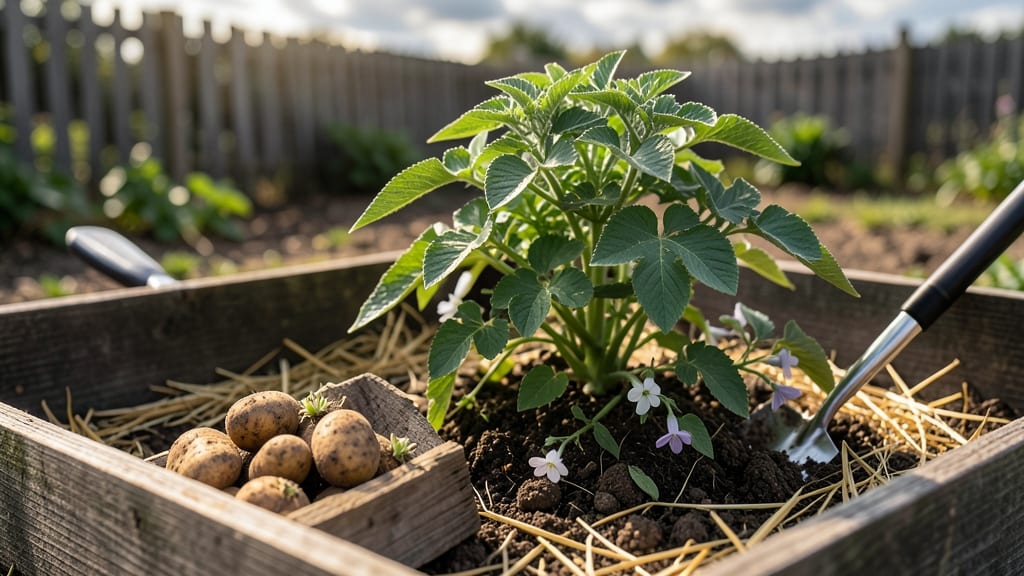
Timing when do you plant potatoes in Colorado isn’t just about following a calendar—it’s about outsmarting the state’s notorious frost swings and altitude shifts. One wrong move, and you’ll either lose your crop to late freezes or watch your harvest shrink before summer’s peak.
The key? Planting at the precise moment when soil warms enough to support root growth but still has enough chill to prevent early sprouting.
Most Colorado gardeners know the basics—spring planting—but the Front Range’s Zone 5-6 and the Western Slope’s milder Zone 6-7 demand different strategies. For example, early varieties in Denver might go in as soon as late February, while high-altitude areas near the mountains should wait until April.
The goal? Beat the last frost (typically around March 15 in Denver) while giving your tubers enough time to mature before summer’s heat sets in.
What you’ll discover here is how to adjust your planting schedule based on your specific microclimate, from choosing cold-hardy varieties like Yukon Gold to using row covers for extra protection.
We’ll also break down the 3-step process to prep your soil, time your planting, and extend your growing season—so you can enjoy a harvest from July through August, no matter where in Colorado you’re gardening.
Whether you’re a first-time gardener or a seasoned pro, getting this right means the difference between a meager harvest and a potato patch so productive you’ll wonder why you didn’t start sooner. Let’s get those spuds in the ground the right way.
Colorado planting zones and ideal potato planting dates by month
Colorado’s diverse geography—from the Front Range’s urban gardens to the Western Slope’s high deserts—means potato planting dates vary wildly. The USDA Hardiness Zones 3-7 across the state dictate when to plant, but altitude and microclimates add complexity.
For example, Denver (Zone 5) has a last frost date around March 15, while Grand Junction (Zone 7) can plant weeks earlier. Understanding your zone and local frost patterns is key to avoiding wasted seed potatoes.
Most Colorado gardeners plant potatoes in early spring (March-April), but late winter (February) is possible for cold-hardy varieties. The goal is to plant 2-4 weeks before the last frost, giving tubers time to sprout before soil warms.
In high-altitude areas (above 7,000 feet), like Boulder or Estes Park, wait until after April 1 to avoid frost damage. Meanwhile, lower elevations (e.g., Colorado Springs, Pueblo) can start as early as mid-February for early varieties.
| Zone/Region | Last Frost Date | Ideal Planting Window | Notes |
|---|---|---|---|
| Zone 3 (e.g., Steamboat Springs) | May 1 | April 15–May 1 | Use cold-hardy varieties; extend season with row covers. |
| Zone 4-5 (e.g., Denver, Fort Collins) | March 15 | March 1–April 15 | Standard window; monitor for late frosts. |
| Zone 6 (e.g., Colorado Springs, Pueblo) | March 10 | February 15–April 1 | Earlier planting possible for early varieties. |
| Zone 7 (e.g., Grand Junction, Durango) | February 28 | January 15–March 15 | Longer growing season; consider fall planting. |
For high-altitude gardens (above 6,500 feet), like those in Summit County or Clear Creek, delay planting until after April 15. These areas experience later frosts and cooler soils, which can stunt potato growth.
If you’re unsure about your last frost date, check local CoCoRaHS weather stations or use the Old Farmer’s Almanac for regional averages. Pro tip: Plant a test crop of radishes in early spring—they’ll tell you when the soil is warm enough for potatoes.
Colorado’s Western Slope (e.g., Mesa County, La Plata County) enjoys warmer temperatures and longer growing seasons. Here, you can plant as early as January for early varieties like Red Norland or Yukon Gold.
However, avoid planting too soon—soil temperatures below 40°F can cause rot. Use a soil thermometer to confirm the soil is at least 45°F before planting.
In urban gardens (e.g., Denver, Aurora), microclimates play a big role. South-facing beds warm up faster, while north-facing areas may need row covers or black plastic mulch to speed up soil warming.
If you’re in a Zone 5 area with urban heat islands, you might even see earlier sprouting in microclimates near buildings or pavement. Adjust your planting timeline accordingly—sometimes late March is ideal for these spots.
For gardeners in Zone 7 (e.g., Grand Junction, Alamosa), consider a fall planting in late summer (August) for a winter harvest. Varieties like Kennebec or Russet can tolerate cooler fall soils and may yield tubers before the first frost.
This strategy works best in low-altitude areas with mild winters. Always use certified disease-free seed potatoes to avoid introducing blight or other pathogens to your fall crop.
Regardless of your zone, plant potatoes in blocks, not rows, to maximize space and make harvesting easier. Space seed potatoes 12 inches apart in all directions, and plant them 4 inches deep.
As they grow, hill soil around the stems every 2-3 weeks to encourage tuber formation. This method works for both early and late varieties, ensuring a steady harvest throughout the summer.
If you’re new to potato growing in Colorado, start with early-maturing varieties (60-90 days) like Red LaSoda or Kennebec. These give you flexibility to adjust planting dates based on weather forecasts.
Always keep an eye on the National Weather Service’s Colorado forecasts—unpredictable late frosts or hailstorms can derail your harvest if you’re not prepared.
Finally, remember that Colorado’s growing season is short, especially at higher elevations. Planning your potato crop around frost-free days (typically 120 days) ensures you’ll have time to harvest before the first frost in October
How to adjust planting dates for Colorado’s unpredictable weather patterns
Colorado’s weather is famously unpredictable, with late frosts lingering into April and sudden heatwaves arriving by June. To protect your potato crop, you’ll need to extend your growing season with smart strategies.
Start by planting cold-hardy varieties like Red Pontiac in late February or early March, then use row covers to shield young plants from unexpected freezes. For areas with high-altitude microclimates (like Boulder or Estes Park), delay planting until soil temps reach 45°F—typically mid-April.
Another trick is to plant in succession: start with early varieties in March, then add mid-season types like Yukon Gold in April. This staggered approach ensures a continuous harvest from July through August.
If your area faces hail risks (common in the Front Range), consider using lightweight netting or raised beds to protect tender foliage. Always monitor your local frost-free date—tools like the National Weather Service or Almanac provide real-time updates.
Soil warming is your secret weapon against Colorado’s chill. Spread black plastic mulch over your beds 2-3 weeks before planting to raise soil temps by 5-10°F. For high-altitude gardens, a cold frame can give you an extra 2-3 weeks of growing time.
If you’re in a Western Slope area (like Grand Junction), where springs warm faster, you can plant as early as late February—but always check for soil moisture first. Dry soil won’t warm efficiently, delaying sprouting.
⚠️ Watch for These Colorado-Specific Risks
- Late Frosts: Even in May, mountain valleys can drop below 32°F. Use frost cloth until danger passes.
- Hail Storms: Front Range gardens face late-spring hail. Protect plants with row covers or temporary shelters.
- Sudden Heat: By June, temps can spike to 90°F+, stressing tubers. Mulch heavily to retain moisture.
- Dry Soil: Colorado’s low humidity means soil dries fast. Drip irrigation is ideal for consistent watering.
Pro Tip: Set up a soil thermometer to track temps—potatoes need 50°F+ soil to thrive.
Urban gardeners in Denver or Colorado Springs face unique challenges like heat islands and limited space. Opt for container-growing with 5-gallon buckets filled with loose, well-draining soil. Place containers near south-facing walls to maximize warmth.
If you’re in a rural area, leverage natural windbreaks (like fences or hedges) to protect plants from drying winds. Always test your soil’s pH (6.0-7.0) and amend with compost—Colorado’s alkaline soils often need acidification.
To maximize your harvest, hill soil around plants as they grow. This exposes more tuber surface to sunlight, preventing greening (toxic solanine buildup). In high-altitude zones, where growing seasons are shorter, focus on early-maturing varieties like Kennebec (70-90 days).
For the Western Slope, where summers are hotter, choose heat-tolerant types such as Fingerling potatoes, which handle 90°F+ temps better than Russets.
Finally, keep a planting journal to track what works in your microclimate. Note when you planted, soil temps, and any weather surprises. Over time, you’ll refine your localized planting schedule—perhaps shifting from March to April or adding a fall planting for a late harvest.
With these adjustments, you’ll turn Colorado’s quirks into advantages, ensuring a reliable potato harvest every season. 🥔