
Plants
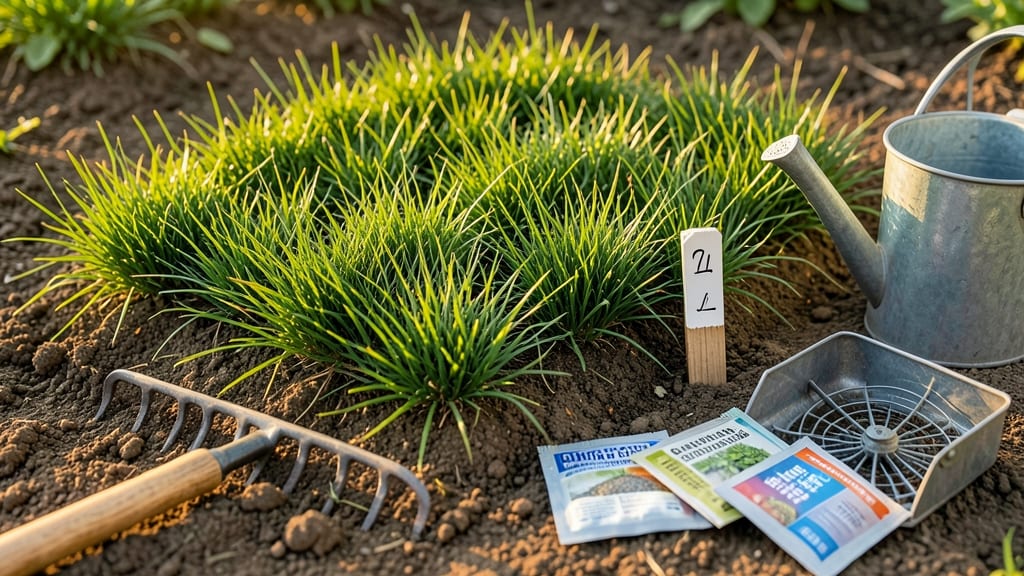
If you're wondering when is the best time to plant grass seed in Indiana, you're not alone—many Hoosiers have watched their new grass struggle through summer heat or freeze before taking root.
The ideal timing isn't just about picking a month; it's about understanding your local climate, soil temperatures, and the unique needs of cool-season grasses that dominate Indiana lawns.
Indiana's 5b-6b growing zones mean you've got a narrow window to get it right. Plant too early, and frost will stall germination. Too late, and summer's brutal heat will stress young grass before it establishes.
But when you time it perfectly—typically in early spring (March-April) or fall (September-October)—you're setting your lawn up for success.
I'll walk you through the science behind ideal planting temperatures, how to prep your soil for maximum seed-to-soil contact, and which grass varieties thrive best in Indiana's unpredictable weather. Let's turn that patchy lawn into the envy of the neighborhood.
Whether you're seeding a new yard or overseeding an established one, these Indiana-specific tips will help you avoid common mistakes and create a lawn that stays lush year-round. Ready to dig in?
Optimal Indiana grass seed planting windows: cool season vs warm season timing
Indiana’s cool-season climate (USDA zones 5b-6b) makes spring and fall the perfect windows for planting grass seed, but timing is everything. Most Indiana homeowners grow cool-season grasses like Kentucky Bluegrass or Tall Fescue, which thrive when soil temperatures hover between 50°F and 65°F.
This range ensures seeds germinate quickly without overheating or freezing.
For spring planting, aim for early April to mid-May—after the last frost (typically around April 15) but before summer’s brutal heat sets in.
Southern Indiana’s warmer microclimates may push this window slightly later, while northern regions should plant closer to late March or early April to avoid late frosts.
Fall planting offers a second chance, with September to early October being ideal. Seeds establish roots before winter, giving you a head start in spring green-up. However, avoid planting after mid-October, as cooler temps slow germination and increase frost risks.
Warm-season grasses like Bermuda or Zoysia (less common in Indiana) prefer late spring to early summer when soil temps exceed 65°F. But since cool-season grasses dominate, we’ll focus on those timing secrets.
To check soil readiness, use a soil thermometer (insert 4 inches deep). For cool-season grasses, target 50-65°F—any warmer, and seeds may dry out too fast. Air temperature is a secondary clue: 60°F+ days with 50°F+ nights signal go-time.
Northern Indiana’s shorter growing season means earlier spring planting (March-April) and earlier fall planting (August-September). Southern Indiana’s longer season allows late spring (May) and late fall (October-November) opportunities, but germination slows after November 1.
🌱 Indiana Grass Planting Windows Comparison
| Season | Ideal Months | Soil Temp | Grass Type | Indiana Microclimate Note |
|---|---|---|---|---|
| Spring | March–May | 50–65°F | Cool-season | Northern IN: March–April; Southern IN: April–May |
| Fall | September–October | 50–65°F | Cool-season | Southern IN can extend to early November |
| Summer | June–July | 65–75°F | Warm-season | Rare in IN; risk of drought stress |
⚠️ Pro Tip: Use a soil thermometer to confirm temps before planting—don’t guess!
Missed the spring window? Fall planting is your backup, but act fast. Seeds need 4–6 weeks to establish roots before winter dormancy. If you plant in late September, cover seeds lightly with straw to insulate them from early frosts (common after October 10).
Indiana’s variable rainfall adds another layer. Plant in light showers (not drought or downpours) to avoid seed washout. If dry spells hit, keep soil consistently moist for 2–3 weeks post-planting—this is critical for germination.
For best results, combine timing with soil prep: loosen compacted soil, test pH (6.0–7.0), and remove weeds. This ensures your seeds focus on rooting, not competing with weeds or poor soil conditions.
Optimal Indiana grass seed planting windows: cool season vs warm season timing
Indiana’s cool-season grasses (like Kentucky Bluegrass and Tall Fescue) dominate lawns here, and they thrive when planted during ideal temperature windows—typically between 50°F and 65°F. This narrow range is critical because soil that’s too cold or too hot stalls germination, leaving you with patchy results.
For most of Indiana, that means early spring (March-April) or fall (September-October) are your best bets.
Warm-season grasses (like Bermuda or Zoysia) are rare in Indiana but can be planted in late spring to early summer (May-June) when soil temps hit 65°F+. However, they struggle in Indiana’s winters, so they’re not ideal for most Hoosiers. Stick with cool-season varieties for year-round resilience.
Here’s how to check if your soil is ready: Use a soil thermometer (available at garden centers) to measure 2 inches deep. If it’s consistently between 50°F and 65°F for at least a week, it’s time to plant.
Northern Indiana (closer to Zone 5b) may need to wait until late April, while southern Indiana (Zone 6b) can start as early as mid-March.
| Planting Window | Ideal Soil Temp | Best Months (Indiana) | Grass Type |
|---|---|---|---|
| Early Spring | 50°F–60°F | March–April | Cool-season (Kentucky Bluegrass, Tall Fescue) |
| Fall | 55°F–65°F | September–October | Cool-season (all varieties) |
| Late Spring | 65°F+ | May–June | Warm-season (Bermuda, Zoysia) |
Fall planting is often the best time in Indiana because cooler temps reduce weed competition, and grass has 6–8 weeks to establish strong roots before winter. Just avoid planting too late—if frost is forecast within 4–6 weeks, hold off until next spring.
Spring planting, on the other hand, gives grass a head start, but you’ll need to water diligently to prevent summer stress.
One common mistake? Planting in July or August when soil temps soar. Grass seeds baked in hot soil won’t germinate, and any that do will struggle to survive. If you missed your window, consider overseeding in fall instead of trying to plant new seed in summer.
Pro tip: If you’re in northern Indiana, err on the side of later planting (May or September) to avoid late frosts. Southern Indiana’s milder climate lets you plant earlier in spring or later in fall.
Always monitor your local frost dates—aim to plant at least 6 weeks before the first expected frost.