
Plants
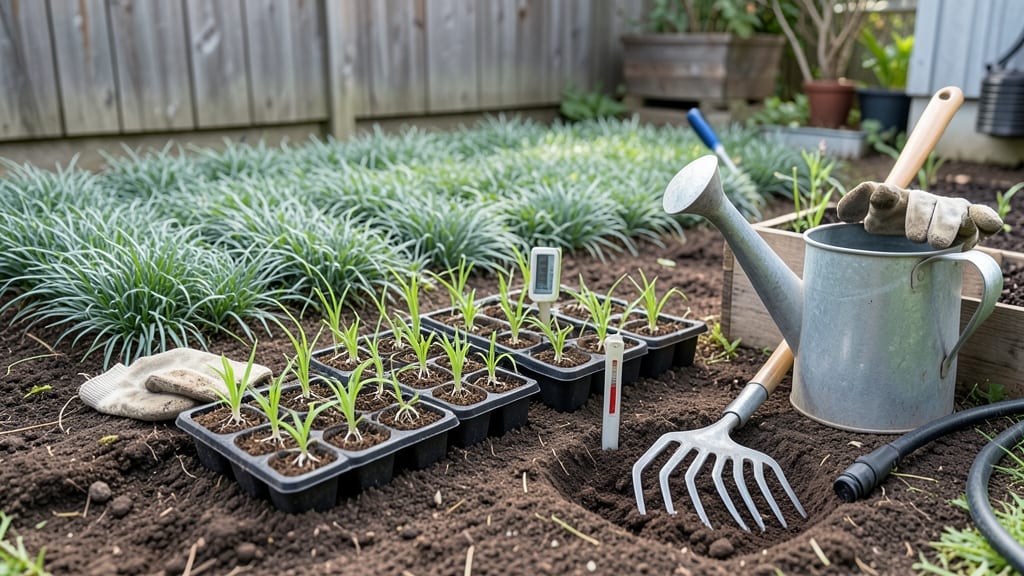
If you're dreaming of that deep green, drought-resistant Bermuda grass lawn in Texas, timing your planting is the secret weapon—because getting it wrong can mean months of frustration instead of weeks of lush growth.
The best time to plant Bermuda grass in Texas isn’t just about seasons; it’s about aligning with soil warmth, rainfall patterns, and avoiding those tricky early frosts that can stall your progress.
Here’s the truth: While late spring (March–May) works, fall (August–September) is actually the smarter move for most Texans. Why? Cooler temps mean less stress on new seedlings, and you’ll beat the brutal summer heat that can dry out fresh grass before it takes hold.
But don’t just take my word for it—let’s break down the exact windows that work best for your region, whether you’re in North Texas or down near the Gulf Coast.
You’ll also discover how to prep your soil like a pro, spot the critical temperature thresholds (hint: it’s not just about the calendar), and avoid common mistakes that turn hopeful homeowners into frustrated lawn owners.
By the end, you’ll have a step-by-step plan to plant Bermuda grass so fast and strong, your neighbors will ask for your secret.
Ready to skip the guesswork? Let’s dive into the Texas-specific planting calendar that’ll give you the fastest, healthiest Bermuda grass lawn possible—no matter where you live in the Lone Star State.
Spring vs fall planting: Texas-specific timeline for Bermuda grass success
If you're planting Bermuda grass in Texas, timing is everything—especially when comparing spring vs. fall planting. While both seasons work, fall planting (August-September) is the gold standard for most Texans because it avoids summer’s brutal heat and drought stress.
But if you’re in North Texas or dealing with early freezes, spring (March-May) can also deliver great results.
The key difference? Soil temperatures must stay above 65°F (18°C) for consistent germination. In South Texas, this means planting as early as late February for spring, while North Texas gardeners should wait until mid-April to avoid frost risks.
Fall planting, however, offers a longer window—typically August through mid-October—before cooler temps slow growth.
Here’s the critical factor: Bermuda grass thrives when established before winter dormancy. Fall planting gives roots 6-8 weeks of warm weather to strengthen before the first frost, while spring planting races against summer’s heat and water restrictions. Let’s break down the best Texas-specific windows for each season.
| Factor | Spring Planting (March-May) | Fall Planting (August-Sept) |
|---|---|---|
| Ideal Soil Temp | 65°F+ (varies by region) | 65°F+ (cooler nights help) |
| Best Months (North TX) | Mid-April to May | Late August to Sept 15 |
| Best Months (South TX) | Late Feb to April | August to Oct 1 |
| Watering Challenge | High (summer drought risk) | Moderate (cooler temps) |
| Establishment Time | 6-8 weeks (if watered well) | 4-6 weeks (optimal temps) |
| Frost Risk | Low (post-last frost) | Moderate (late Sept/Oct) |
For most Texans, fall planting wins because it aligns with cooler temps and higher humidity, reducing stress on young grass. However, if you’re in South Texas or have irrigated lawns, spring planting can still work—just be prepared for aggressive watering to combat summer heat.
Pro tip: Use soil thermometers to confirm temps before planting; seeds won’t germinate below 65°F.
Another key advantage of fall? Fewer weeds compete for resources, and your lawn will green up faster in early spring when neighbors’ grass is still dormant. That said, if you’re planting in North Texas, avoid late September to early October—this is when early freezes can stunt growth.
Always check your local USDA frost dates (e.g., December 1 in North Texas vs. November 15 in South Texas).
One common mistake? Planting too late in fall. If you miss the August-September window, your grass may struggle to establish before winter dormancy. For sod vs. seed, fall is even better for sod because it establishes 3x faster in cooler weather.
If you’re seeding, choose fast-germinating varieties like Tifway 419 or Midiron, which thrive in Texas heat.
Regional microclimates matter too. In East Texas, humidity helps germination, while West Texas may need extra irrigation. Always adjust your planting window 1-2 weeks earlier if you’re in a warmer microclimate (e.g., urban heat islands or near the Gulf Coast).
For drought-prone areas, fall planting is non-negotiable—spring heat will dry out seeds before they sprout.
Bottom line: Fall is the safest bet for most Texans, but spring can work with proper prep. Start by testing your soil temperature at 6 inches deep—this is the real indicator, not just air temps.
If you’re unsure, err on the side of earlier planting; Bermuda grass is forgiving but won’t tolerate prolonged heat stress during establishment.
Ready to plant? Grab your soil thermometer and check local rainfall forecasts—consistent moisture is just as critical as timing. Next, we’ll dive into the critical factors that determine your perfect planting window, from soil prep to microclimate tweaks.
Spring vs fall planting: Texas-specific timeline for Bermuda grass success
Deciding between spring and fall planting for Bermuda grass in Texas isn’t just about picking a season—it’s about avoiding heat stress or early frost risks. Most Texas gardeners swear by fall planting (August–September) because cooler temps and higher humidity give seedlings a fighting chance.
But spring (March–May) can work if you’re in South Texas or have irrigation set up to handle summer heat.
Here’s the key difference: In North Texas, where last frosts can linger until February 15, fall planting lets you establish roots before winter dormancy. Meanwhile, South Texas (with frost-free winters) can push spring planting later, even into June, thanks to warmer soil.
The critical threshold for planting is soil temperature—Bermuda grass needs 65°F+ to germinate. In Texas, this usually means waiting until mid-April for spring or mid-August for fall. But don’t just check the air temp—use a soil thermometer to confirm.
🌱 Texas Bermuda Grass Planting Comparison
| Factor | Spring Planting | Fall Planting |
|---|---|---|
| Best Months (Texas) | March–May | August–September |
| Soil Temp Requirement | 65°F+ (by mid-April) | 65°F+ (by mid-August) |
| Key Advantage | Faster summer establishment | Cooler temps, less stress |
| Risk Factor | Summer heat/drought | Early fall frost (North TX) |
| Best For | South Texas, irrigated lawns | Most of Texas, beginners |
If you’re in East Texas, fall planting is your best bet—humidity helps germination, and you’ll avoid the 100°F+ summers that can bake new seeds. But in West Texas, where rainfall is scarce, spring planting with drip irrigation might be the only way to succeed.
Pro tip: Test your soil’s moisture before planting—Bermuda grass hates soggy conditions. If your area gets consistent rain (like Coastal Texas), fall is ideal. If you’re in a drought-prone zone, spring with supplemental watering wins.
Remember, sod vs. seed changes the game—sod can go in later (even June in South Texas), but seeds need that 65°F soil window. Plan accordingly, and you’ll have a lawn that’s green by summer—not struggling to survive.