
Plants
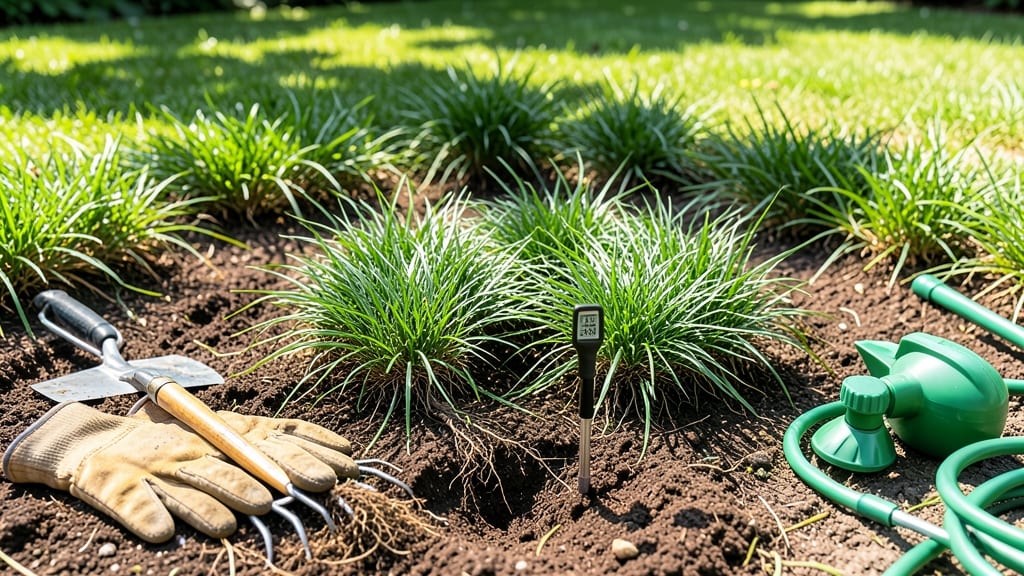
If you’ve ever stared at your Oklahoma yard in late spring, wondering when is the best time to plant Bermuda grass in Oklahoma, the answer might be simpler than you think: timing.
Planting at the wrong moment can leave your lawn struggling through Oklahoma's brutal summers, while getting it right means a thick, heat-resistant carpet that thrives when temperatures soar.
Most gardeners assume "spring" means planting as soon as the weather warms up, but Oklahoma's USDA Zones 6b-8a demand a more strategic approach.
The best time to plant Bermuda Grass isn't just about avoiding frost—it's about waiting for that perfect soil temperature window when your grass stands the best chance of establishing roots before summer's relentless heat arrives.
What you're about to discover isn't just about calendar dates—it's about understanding how Oklahoma's unpredictable spring rains and scorching summers interact with Bermuda Grass varieties.
We'll break down exactly when to plant for maximum success, whether you're working with Tifway 419 or another popular strain, and how to give your lawn the fighting chance it needs against drought and heat stress.
Ready to transform your Oklahoma lawn from a high-maintenance headache into a low-stress, high-reward landscape? Let's dive into the science and secrets behind planting Bermuda Grass at the optimal moment for your region's unique climate challenges.
Oklahoma Bermuda grass planting timeline: soil temperature & heat zone rules
Timing your Bermuda grass planting in Oklahoma isn’t just about avoiding frost—it’s about soil warmth and heat zone mastery. The USDA Zones 7a–8a here mean your window is tight but critical: April 15–May 15 for spring or August 1–September 15 for fall.
These dates align with soil temperatures hitting 65°F+, the sweet spot for germination.
Bermuda grass thrives on heat, but it won’t sprout until the ground warms up. If you plant too early, your seeds will rot in cool, wet soil.
Wait for consistent 65°F+ soil temps at a 4-inch depth, which typically happens after Oklahoma’s last frost (usually mid-April in most regions).
For varieties like Tifway 419 or Celebration, heat tolerance is key. These types need full sun exposure (6–8 hours daily) to establish strong roots before summer’s 100°F+ heat arrives. Planting too late risks drought stress or fungal diseases from lingering moisture.
🌱
Spring planting in Oklahoma demands drought preparedness. Once your grass sprouts, it’ll need 1–1.5 inches of water weekly to survive until roots deepen. Use a soil thermometer to track warmth—if temps dip below 65°F for more than 3 days, delay planting.
Fall planting, however, offers a safer bet. Cooler nights and higher humidity reduce evaporative stress, while roots have time to establish before winter. Aim for August–September when daytime highs are still 85°F+ but nights drop to 60°F, creating ideal conditions.
Pro tip: Test your soil’s pH (6.0–7.0) and drainage before planting. Bermuda grass hates waterlogged soil, so amend clay-heavy areas with compost or sand. In Oklahoma’s blackland prairie regions, this step is non-negotiable.
💧
For Oklahoma City and southern areas (like Tulsa), spring planting can start early April if soil temps are stable. In northern zones (e.g., Oklahoma Panhandle), wait until mid-May to avoid late frosts. Always check your local USDA zone for precision.
Remember: Bermuda grass is aggressive but fickle. Plant at the wrong time, and you’ll spend summer patching bare spots. Get the timing right, and you’ll have a drought-proof lawn that outlasts Oklahoma’s worst heat waves.
Spring vs. fall planting in Oklahoma: which offers faster establishment?
Oklahoma’s unpredictable spring rains and intense summer heat make choosing between spring vs. fall planting a critical decision for Bermuda grass success.
While many gardeners default to spring, fall often provides a more forgiving window for establishment—especially in Oklahoma’s USDA Zones 7a–8a, where temperatures can swing from 90°F+ in June to crisp 50°F nights in September.
Spring planting (April–May) offers longer daylight hours for rapid growth, but drought stress becomes a major risk by June. Fall planting (August–September), however, aligns with cooler temperatures and higher humidity, which reduce water loss and fungal threats like brown patch disease.
The key? Soil warmth—Bermuda grass needs 65°F+ soil temps to germinate, a threshold typically met by mid-April in southern Oklahoma but often delayed until late May in northern regions.
Spring Planting Pros & Cons
- Faster growth with 14+ hours daylight
- Established before summer heat peaks
- Easier to overseed existing lawns
- Drought risk by June in most regions
- Higher fungal threats from spring rains
- Soil may stay cool in northern OK
For fall planting, the trade-off is worth it in Oklahoma. Cooler nights (60–70°F) and moderate rainfall create ideal conditions for root development. Planting in early September gives Bermuda grass 6–8 weeks to establish before first frost risks (typically mid-November).
Pro tip: Use a soil thermometer—aim for 70–80°F soil temps for optimal germination.
Regional variations matter too. In southern Oklahoma (Zone 8a), fall planting can extend into early October, while northern areas (Zone 7a) should wrap up by September 15 to avoid frost damage.
Pre-condition your soil by aerating in late summer and applying a slow-release fertilizer (16-4-8 NPK) 4–6 weeks before planting to jumpstart root growth.
My top recommendation for Oklahoma gardeners? Fall planting wins for most regions, but spring is safer in northern OK where summers are harsher. If you choose spring, water deeply 2–3x weekly until establishment (about 6–8 weeks) to combat drought.
For fall, mulch lightly to retain moisture without smothering young shoots.
Remember: Bermuda grass is aggressive once established, but weak starts lead to thin patches. Whether you plant in spring or fall, consistent moisture and proper timing are your best tools to outsmart Oklahoma’s climate. 🌱