
Vegetables
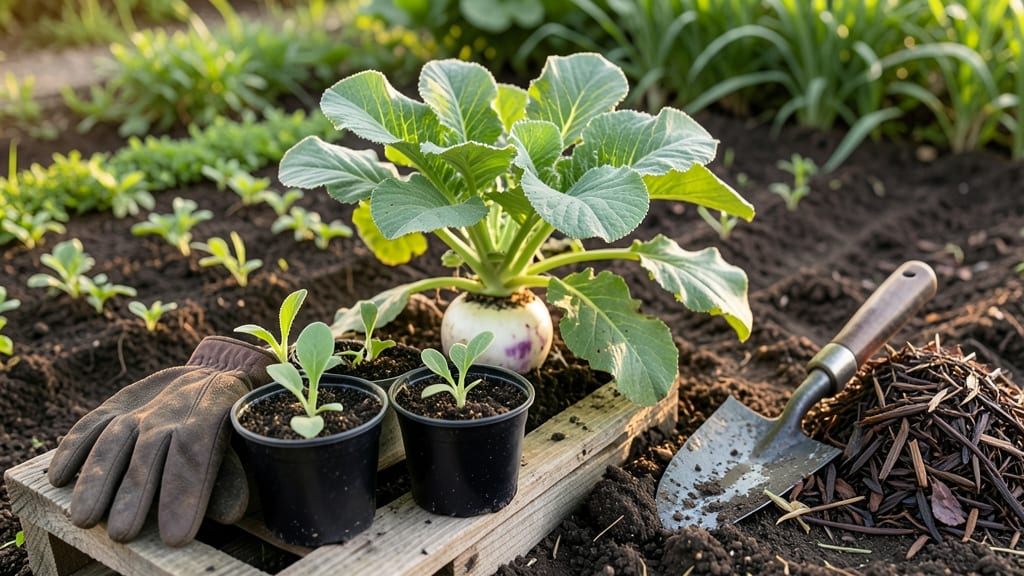
Timing your fall turnip planting just right is the difference between a crisp, sweet harvest and a bitter disappointment. Whether you're in chilly Zone 6a or a milder region, getting those seeds in the ground at the perfect moment ensures your 🥕 roots develop properly before winter sets in.
I’ve learned the hard way that planting too late can leave you with tough, woody turnips that never reach their full potential. The key is starting 4-6 weeks before your first frost, giving them enough time to mature while still benefiting from cooler fall temperatures.
For most gardeners, that means late summer to early fall—just when the air starts to crisp.
In this guide, I’ll break down exactly when to plant based on your USDA zone, plus soil prep tips and spacing tricks to maximize your harvest. We’ll also cover how to adjust for early vs. late varieties and troubleshoot common fall planting mistakes that could ruin your crop.
Ready to grow turnips that are tender, flavorful, and ready to harvest in 60-70 days? Let’s get those seeds in the ground at the perfect time—no more guesswork, just a bountiful fall harvest.
Fall turnip planting deadlines by USDA hardiness zone
Timing is critical for fall turnips—plant too early, and they’ll bolt; too late, and frost ruins your harvest. Your USDA hardiness zone determines the exact window. In Zones 3-5, aim for late August to early September to ensure roots mature before hard frost.
Meanwhile, gardeners in Zones 6-10 can stretch planting until mid-October, thanks to milder winters.
Soil temperature is just as important as calendar dates. Turnip seeds need 45–65°F soil to germinate. Use a soil thermometer to confirm readiness—cold soil delays sprouting. In northern zones, wait until soil warms after summer’s last heatwave. Southern zones may need shade cloth to prevent bolting from lingering summer heat.
Here’s your zone-by-zone planting timeline, including last-chance dates and frost-free days needed for a successful harvest:
Southern gardeners in Zones 10+ can treat turnips like cool-season crops year-round, but fall plantings still benefit from light mulching (straw or leaves) to moderate soil temps. In Zones 3–5, extend the season with row covers or cold frames—just remove them before harvest to avoid soil moisture buildup.
Pro tip: Check your local frost date average (USDA provides zone-specific data) and count backward from your variety’s maturity date. For example, ‘Tokyo Cross’ (50 days) needs planting 50 days before frost, while ‘Purple Top White Globe’ (60 days) requires an earlier start.
Adjust for your microclimate—valleys freeze faster than hillsides.
If you’re in a transition zone (e.g., Zone 7b)**, split your planting into two batches: one in early September for a late-October harvest and another in mid-October for a November pick (if frost arrives late). This succession planting strategy maximizes yield and reduces waste.
For container growers, use fast-maturing varieties like ‘Hollow Crown’ (45 days) and plant in 5-gallon pots with well-draining soil. Place containers in full sun and water consistently—containers dry out faster than garden beds. Harvest before roots outgrow their space, or they’ll become woody and bitter.
Remember: Turnips store poorly after harvest, so plan to eat or preserve them within 2 weeks of pulling. Roast, pickle, or shred into salads—just don’t let them sit in the crisper bin waiting for a recipe!
Fall turnip planting deadlines by USDA hardiness zone
Your USDA hardiness zone is the single most important factor in determining when to plant turnips in the fall. Too early, and your roots may bolt from warm weather; too late, and frost will turn them woody.
For most gardeners, the ideal window is 4-6 weeks before your first frost date, but exact timing varies dramatically across regions.
In Zones 3-5, where winters arrive early, aim for late August to mid-September. These northern climates have shorter growing seasons, so you’ll need fast-maturing varieties like 'Tokyo Cross' (50 days) to reach harvest before hard frosts.
Meanwhile, gardeners in Zones 6-8 can plant through early October, while Zone 9-10 gardeners might even squeeze in a late fall planting in November.
Here’s how to pinpoint your exact planting window using your local frost dates:
| USDA Zone | First Frost Date | Planting Window | Soil Temp Requirement | Recommended Variety |
|---|---|---|---|---|
| 3-5 | Mid-September | Late August - Mid-September | 45-55°F (7-13°C) | 'Tokyo Cross' (50 days) |
| 6-8 | Mid-October | Late August - Early October | 50-60°F (10-16°C) | 'Purple Top White Globe' (60 days) |
| 9-10 | Late November | September - Early November | 55-65°F (13-18°C) | 'Hollow Crown' (55 days) |
Pro tip: Check your local average first frost date using the USDA Plant Hardiness Zone Map or your extension office’s frost calendar. For example, in Zone 6a (like much of the Midwest), I plant my turnips around September 1st to ensure harvest by mid-November before hard frosts hit.
Southern gardeners in Zones 9-10 have more flexibility but should still avoid planting too late. Warm fall nights can trigger bolting (flowering prematurely), which makes roots bitter. If your evenings stay above 70°F (21°C), opt for shade cloth or evening watering to cool the soil.
Remember, turnips thrive in cool weather—aim for daytime temps between 60-70°F (15-21°C). Once nights dip below freezing, your turnips will stop growing, so time your planting to give them 60-70 days of active growth before frost.