
Plants
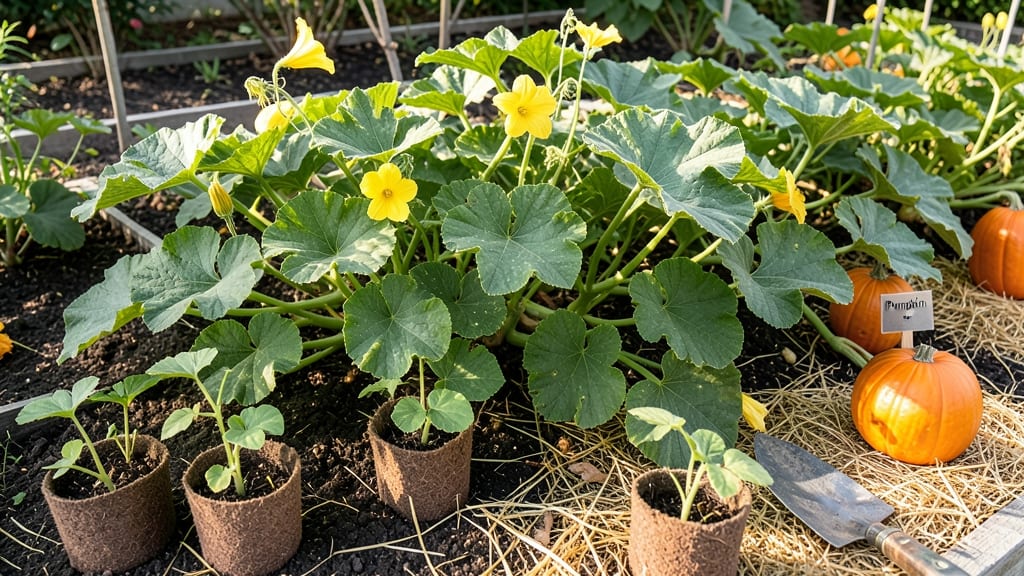
If you're dreaming of carving jack-o'-lanterns or baking pies this fall, knowing when to plant pumpkins in South Carolina is the first step to a successful harvest.
The state's warm climate and long growing season make it perfect for 🎃 cultivation, but timing is everything—plant too early, and you risk frost damage; too late, and your pumpkins may not mature before winter.
Most gardeners in USDA zones 7b-8a should start seeds between mid-April and early June, after the last frost date, when soil temperatures hit 70°F. This window ensures your pumpkins have enough time to reach maturity by September or October, just in time for Halloween or Thanksgiving.
But with South Carolina's unpredictable humidity and heat spikes, a few extra tips can make all the difference.
Whether you're growing heat-tolerant varieties like 'Cinderella' or classic 'Howden' pumpkins, the key is balancing soil prep, moisture, and sunlight. I'll walk you through the exact steps to maximize your yield, from choosing the right variety to managing humidity without fungal risks. Let’s get those vines thriving!
By the end, you’ll have a clear checklist to avoid common pitfalls—like powdery mildew or uneven ripening—and ensure your pumpkins are ready for harvest when the weather turns crisp. Ready to turn your garden into a pumpkin patch? Let’s dive in.
Optimal pumpkin planting times in South Carolina by variety and climate zone
South Carolina’s USDA zones 7b-8a offer a 120-150 day growing season, perfect for pumpkins—but timing matters. Plant too early, and you risk fungal diseases from spring rains; too late, and your Halloween harvest shrinks.
The ideal window spans mid-April to early June, after the average last frost date (March 15), when soil temps hit 70°F.
For heat-tolerant varieties like 'Cinderella' or 'Jack Be Little', aim for late April to early May—these mature in 85-90 days, perfect for Thanksgiving harvests.
If you’re after giant pumpkins (like 'Howden'), start seeds indoors in March and transplant after frost, giving them 120+ days to bulk up.
Here’s how to align your planting with SC’s climate zones and harvest goals:
| Variety | Days to Maturity | Best Planting Window | Harvest Timeframe | Notes |
|---|---|---|---|---|
| Cinderella | 85-90 days | Late April–May | Late Sept–Oct | Small, heat-tolerant; great for containers. |
| Jack Be Little | 80-85 days | Early May–June | Early Oct–Nov | Mini pumpkins; ideal for Halloween. |
| Howden | 120+ days | Indoors March; transplant April | Late Oct–Nov | Giant; needs full sun and space. |
| Ghost Rider | 90-100 days | Mid-April–May | Sept–early Oct | White; thrives in SC’s heat. |
| Jarrahdale | 100-110 days | Late April–early May | Late Sept–Oct | Cold-hardy; good for zone 7b. |
For direct sowing, drop seeds 1 inch deep in hills spaced 4-6 feet apart—pumpkin vines spread 10-20 feet, so plan your garden layout accordingly. If transplanting, start seeds 2-3 weeks indoors under grow lights to avoid shock when moving outside.
Adjust your planting time based on local weather forecasts. If SC’s spring is cooler than average, delay until soil warms to 70°F (use a soil thermometer to check). For early harvests, choose shorter-season varieties like 'Jack Be Little' and plant in early May.
In zone 8a (coastal SC), you can push planting to early June for a fall harvest, but expect smaller yields due to shorter daylight in late summer. Always monitor first frost dates—aim to harvest before November 15 to avoid cold damage.
Pro tip: Use black plastic mulch to warm soil faster and straw mulch to retain moisture during SC’s hot, humid summers. This extends your planting window by 1-2 weeks in both directions.
✅ Remember: Soil temp > seed temp. If your soil is below 60°F, seeds may rot—wait for consistent warmth to ensure germination.
Soil preparation and heat management for 120-Day pumpkin harvests in SC’s humidity
South Carolina’s humid summers and 90°F+ heat spikes can turn pumpkin patches into fungal hotspots if you don’t prep your soil and manage moisture correctly. The secret to thriving vines lies in well-draining, nutrient-rich soil with a pH of 6.0-6.8—this range keeps nutrients available while preventing blossom-end rot.
I’ve found that amending clay-heavy SC soils with 3-4 inches of compost or aged manure before planting makes all the difference in root development.
Don’t skip the soil temperature check—pumpkin seeds need 70°F soil to germinate reliably. Use a soil thermometer in the afternoon; if it’s cooler, wait a few days or use black plastic mulch to warm the ground faster.
Pro tip: Plant on cloudy days to reduce seed stress from direct sun.
🌱
🔧 5 Critical Steps for SC Pumpkin Soil Prep
- Test soil pH 4-6 weeks before planting; amend with lime (to raise pH) or sulfur (to lower it) as needed.
- Till in compost to a depth of 12 inches—this improves drainage and holds moisture during heatwaves.
- Install drip irrigation or soaker hoses to deliver 1-2 inches of water weekly at the base of plants (avoid overhead watering after noon).
- Mulch heavily with straw or shredded leaves (3-4 inches thick) to retain moisture and block weeds—critical in SC’s 90% humidity.
- Plant companion crops like marigolds (repel pests) or nasturtiums (trap aphids) around the patch edges.
Heat management is where many SC gardeners stumble. Pumpkins wilt in afternoon humidity, but the fix is simple: shade cloth (30-50%) during peak sun (11 AM–3 PM) can save your vines when temps hit 95°F.
I’ve also had success with vertical trellising for smaller varieties like 'Jack Be Little'—this lifts fruit off hot soil and improves air circulation.
Watch for powdery mildew, a common SC scourge. At the first sign of white powder on leaves, spray with a baking soda mix (1 tbsp baking soda + 1 gallon water + a drop of dish soap) in the early morning.
Prevention is key: prune lower leaves to improve airflow and remove any diseased foliage immediately.
Finally, fertilize lightly but consistently. Use a balanced 10-10-10 NPK fertilizer every 4-6 weeks starting when vines are 12 inches long. Over-fertilizing leads to lush foliage but fewer pumpkins—a classic SC gardener mistake. Always water fertilizer in to prevent root burn.
With these adjustments, your pumpkins will thrive even in SC’s oppressive heat, giving you plump, disease-free fruit ready for harvest by Halloween. The key is consistency—don’t let humidity or heat throw off your routine.