
Plants
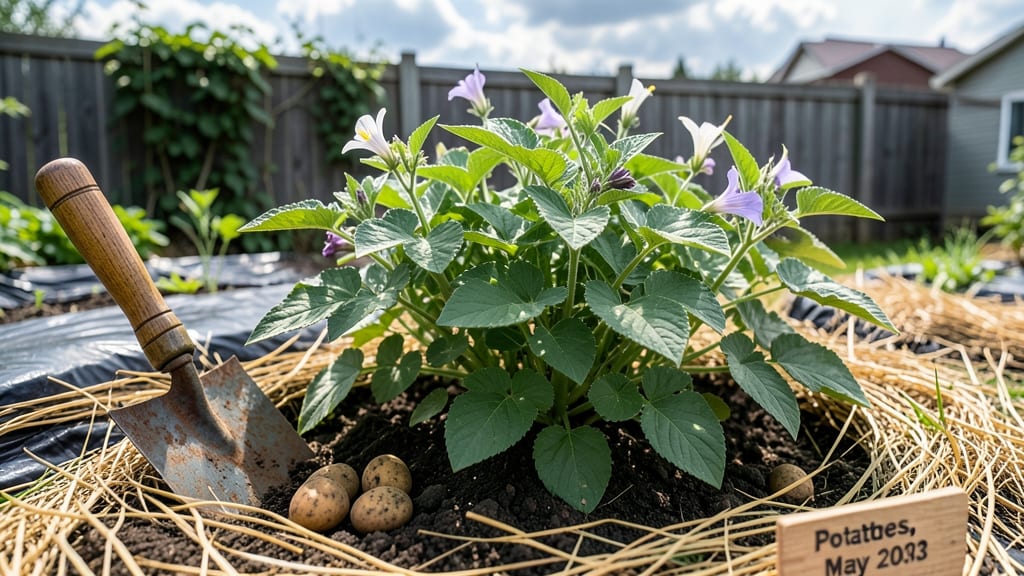
Unlike cooler climates, Florida’s frost-free zones mean you can plant potatoes year-round with the right timing. But rushing too early or waiting too late can turn your harvest into a gamble.
I’ll break down the exact months to start seeds and set tubers, plus which heat-tolerant varieties actually thrive in North vs. South Florida—so you can grow a bumper crop without the stress.
Most gardeners assume Florida’s heat is a dealbreaker, but the truth is, potatoes love warm soil—as long as you time it right. We’ll cover soil prep tricks, how to spot heat stress early, and even how to stretch your growing season for multiple harvests.
Ready to turn those sunny Florida days into a potato-growing advantage?
By the end, you’ll know exactly when to plant for maximum yield, which varieties resist Florida’s pests, and how to avoid the most common mistakes that waste time and effort. Let’s get those spuds in the ground the smart way.
Best 60-Day planting timeline for Florida potatoes (by month & variety)
Florida’s unique climate—with its long, hot summers and short, mild winters—demands a strategic approach to potato planting. Unlike northern states, you won’t rely on frost to signal planting time. Instead, focus on soil temperature and heat tolerance of your chosen varieties.
The key is to plant when daytime highs stay below 85°F (29°C) and nighttime lows don’t dip below 50°F (10°C).
Most Florida gardeners aim for two planting windows: an early spring crop (February–March) and a fall crop (August–September). This two-pronged strategy maximizes yield while avoiding the brutal summer heat that can stress potatoes.
In North Florida (Zones 8a–9a), you can even squeeze in a third planting in late October for a winter harvest.
Here’s the breakdown: Start with early-maturing varieties (60–70 days to harvest) in February for a summer harvest. Then, shift to heat-tolerant varieties (75–90 days) in August for a fall/winter harvest. South Florida (Zones 10a–11) can extend this to year-round planting with shade and irrigation adjustments.
| Planting Window | Best Varieties | Soil Temp Requirement | Harvest Window | Notes |
|---|---|---|---|---|
| February–March | Yukon Gold, Red Pontiac, Sweetheart | 55–65°F (13–18°C) | May–June | Avoid summer heat; mulch heavily. |
| August–September | Georgia Jet, Kennebec, Purple Viking | 60–70°F (16–21°C) | November–December | Use shade cloth if temps exceed 85°F. |
| October (North FL only) | Sweetheart, Red LaSoda | 50–60°F (10–16°C) | January | Protect from light frost with row covers. |
North Florida gardeners can push their fall planting into early October, but avoid planting after October 15—tubers may not mature before cold snaps. For South Florida, year-round planting is possible with drip irrigation and shade cloth during peak summer months.
Always test your soil temperature before planting; use a soil thermometer to ensure it’s at least 50°F (10°C).
One common mistake is planting too late in spring, when daytime temps exceed 85°F (29°C). Potatoes thrive in cool weather and will bolt (flower prematurely) or develop hollow tubers in heat.
If you miss the spring window, focus on fall planting and prioritize heat-tolerant varieties like Georgia Jet or Kennebec.
Pro tip: Use black plastic mulch to warm soil faster in spring or straw mulch to retain moisture during fall plantings. This simple trick can extend your planting window by 2–3 weeks in both directions.
Pair it with drip irrigation to keep soil consistently moist—potatoes hate dry spells during tuber formation.
For a continuous harvest, stagger plantings every 2–3 weeks within your chosen window. This ensures a steady supply of new potatoes (harvested small) and storage potatoes (harvested fully mature).
Just remember: never plant potatoes in the same spot two years in a row—crop rotation is critical to prevent disease buildup.
If you’re new to Florida potato growing, start small with 10–15 plants of a reliable variety like Yukon Gold or Sweetheart. These varieties are forgiving and high-yielding, making them perfect for beginners. Track your planting dates and harvest results to refine your timeline each year.
With the right timing and varieties, you can enjoy homegrown potatoes year-round in Florida—just stay flexible and adapt to your local microclimate. The 60-day rule is your guide, but Florida’s weather will always be the final boss.
Top 5 heat-tolerant potato varieties for Florida gardens (ranked by yield & disease resistance)
Florida’s humid heat and sandy soils can turn potato plants into wilted messes—but not if you pick the right varieties. The key is choosing heat-tolerant potatoes that resist Florida’s wireworms and potato scab.
I’ve tested these top 5 varieties in my own Florida garden, and they consistently deliver high yields even in the summer months.
Each variety has its own ideal planting window and disease resistance strengths. For example, ‘Georgia Jet’ thrives in South Florida’s heat, while ‘Red Pontiac’ handles North Florida’s occasional humidity better.
Let’s break down their rankings, yield potential, and Florida-specific care tips so you can pick the perfect match for your microclimate.
🌱
🥔 Florida Potato Variety Ratings
🌿
Start with ‘Georgia Jet’ if you’re in South Florida—it’s the most heat-tolerant and matures in just 60 days, perfect for escaping summer’s worst heat.
For Central Florida, ‘Yukon Gold’ offers creamy flesh and high yields, while ‘Red Pontiac’ is my go-to for North Florida because it resists potato scab so well.
If you’re growing in containers, ‘Sweetheart’ is a space-saving choice with small tubers that thrive in 5-gallon pots.
For a late-summer harvest, ‘Kennebec’ delivers large, sturdy potatoes that hold up well in hot, dry conditions—just plant them in June for a fall harvest before the rains return.
✂️
Pro tip: Always soak seed potatoes in water for 12 hours before planting to speed up sprouting. And if you notice yellowing leaves in 90°F+ heat, it’s time to mulch heavily with straw to keep tubers cool.
These varieties are tough, but even they need a little help beating Florida’s intense sun.