Plants
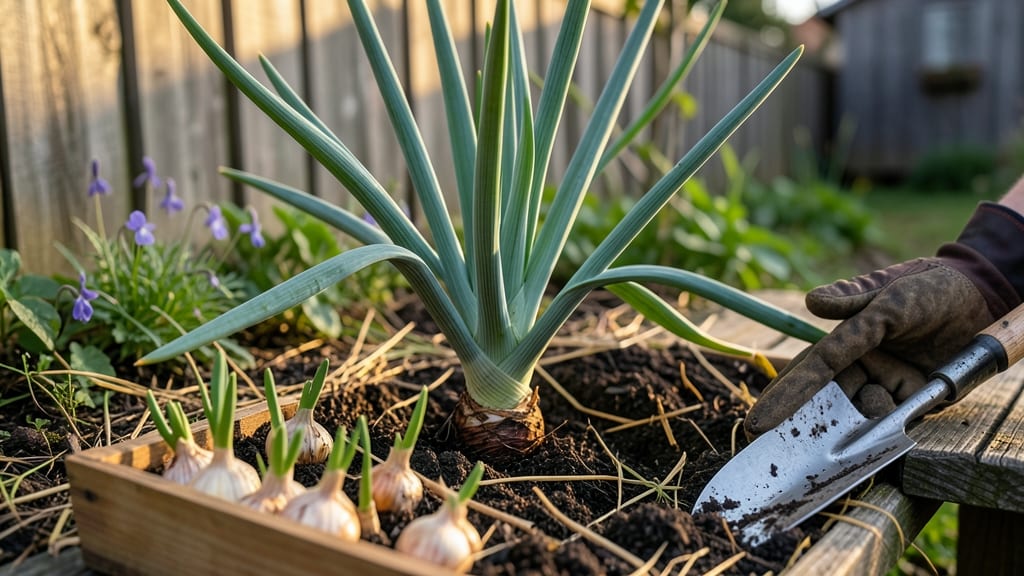
If you've ever wondered when to plant onions in North Carolina, timing is everything—get it wrong, and you might end up with bitter, bolted greens instead of sweet, plump bulbs.
The key lies in understanding your USDA zone (6a-8b) and working with North Carolina's unpredictable spring weather, where frost can linger well into March.
For most gardeners in the Tar Heel State, the sweet spot is late winter to early spring (February-March), but fall planting (August-September) also works if you're aiming for a late-summer harvest.
The difference between these two windows comes down to daylight hours and soil temperatures—both critical factors that determine whether your 🧅 onions will mature properly or send up flower stalks before bulbing.
I've grown onions in North Carolina for years, and what I've learned is that patience pays off. Planting too early risks bolting from cool weather, while waiting too long means smaller yields.
The solution? A strategic approach that aligns with your local frost dates and variety types—whether you're growing short-day onions that thrive in NC's climate or intermediate-day varieties that need careful timing.
In this guide, I'll walk you through the exact planting windows, soil prep secrets, and regional adjustments that make the difference between a mediocre harvest and a bumper crop of flavorful onions. Let's get those sets in the ground at the perfect moment.
North Carolina onion planting calendar: ideal spring vs fall dates by Zone
North Carolina’s diverse climate—spanning USDA Zones 6a to 8b—means your onion planting window shifts depending on location. In cooler Zone 6a (mountains), aim for late February to early April, while warmer Zone 8b (coastal) can start as early as January or extend into May.
The key? Avoid bolting by planting when daylight hours are 12-14 hours and soil temps hit 40°F+.
For spring planting, most gardeners in NC plant sets (dried bulbs) 4-6 weeks before the last frost (typically March 1-15). Seedlings can go in 2-3 weeks after frost danger passes.
Fall planting? Start August 15-September 15 for a late-winter harvest—just ensure bulbs mature before first frost (late October to November).
Here’s the critical rule: Short-day varieties (like Yellow Granex) bolt faster in long daylight, while intermediate-day types (e.g., Red Baron) handle NC’s summers better. Choose wisely!
🌱
| Planting Window | Zone 6a (Mountains) | Zone 7b (Piedmont) | Zone 8b (Coastal) |
|---|---|---|---|
| Spring Planting (Sets) | Late Feb–Early April | Mid-Feb–Mid-April | Jan–May |
| Spring Planting (Seedlings) | April 1–May 1 | March 15–April 15 | Feb 15–May 15 |
| Fall Planting (Sets) | Aug 15–Sep 15 | Aug 1–Sep 30 | Sep 1–Oct 15 |
| Harvest Window | May–July (Spring) / Late Winter (Fall) | May–July (Spring) / Feb–Mar (Fall) | Apr–Jun (Spring) / Jan–Feb (Fall) |
| Soil Temp Threshold | 45°F+ | 40°F+ | 50°F+ |
Pro tip: Use a soil thermometer to confirm temps—onsets should stay above 50°F for consistent growth. In Zone 8b, you can even plant green onions year-round, though bulbs form best in cooler months.
Bolting is the #1 enemy in NC’s heat. To prevent it, choose intermediate-day varieties like Candy or Texas Early White, and plant shade cloth if temps exceed 85°F. Mulch with straw to keep soil cool and moist.
For fall planting, prioritize late-maturing varieties (120+ days) to avoid winter. In Zone 6a, harvest before October 30; in Zone 8b, you might get a second crop in January.
🌿
Need a quick reference? Bookmark this: Spring = March-April, Fall = August-September. Adjust by 2 weeks for microclimates (e.g., valleys vs. ridges). Your onion harvest will thank you!
✂️
5 Critical factors that determine perfect onion planting timing in NC
When it comes to planting onions in North Carolina, I’ve learned that success hinges on five key factors—each one more critical than the last. The first is soil temperature, which must reach at least 45°F (7°C) for seeds to germinate or sets to sprout.
In NC’s Zone 7b/8a, this typically means waiting until mid-February to early March for spring planting, while fall planting should start in August when soil cools slightly.
Next, daylight hours play a huge role, especially for short-day onion varieties like ‘Texas Early White’ or ‘Yellow Granex’. These need 12-14 hours of daylight to bulb properly—something NC’s shorter winter days can’t provide, which is why spring planting is ideal.
Intermediate-day varieties like ‘Candy’ or ‘Sweet Sandwich’ are more forgiving but still require careful timing to avoid bolting.
- 🌡️ Soil Temperature: Minimum 45°F (7°C) for germination
- ⏰ Daylight Hours: 12-14 hours needed for bulbing
- 📅 Last Frost Date: Plant 4-6 weeks before average last frost (Zone 6a: March 15, Zone 8b: March 1)
- 🌱 Variety Maturity: Short-day vs. intermediate-day types require different timing
- 🌬️ Microclimates: Adjust for local frost pockets or urban heat islands
Your local frost dates are another non-negotiable. In NC, the average last frost ranges from March 1 in Zone 8b to March 15 in Zone 6a. To avoid frost damage, I always plant onion sets 4-6 weeks before these dates—typically by mid-February.
For fall planting, aim for August 15-30 to give bulbs time to mature before the first frost in November.
Don’t overlook variety maturity rates, either. Short-day onions like ‘1015Y Yellow’ mature in 90-100 days, while intermediate-day types like ‘Red Baron’ take 110-120 days. Matching your variety to your planting window ensures bulbs reach full size before bolting.
For example, planting ‘Yellow Granex’ in early March gives it enough time to mature by June, while ‘Candy’ onions planted in late February may bolt if harvested too early.
Finally, microclimates can shift your ideal planting window by weeks. A sheltered spot in the mountains might see frost a month later than a coastal garden. I always test my soil temperature with a soil thermometer and adjust planting dates accordingly.
If your area has a history of late frosts, err on the side of planting later—even if it means slightly smaller bulbs.
Pro tip: Use row covers or mulch to extend your planting window by 2-3 weeks in early spring or late fall. This gives you flexibility if frost sneaks up unexpectedly. The goal is to balance risk and reward—planting too early risks bolting, but waiting too long means smaller yields.
With these five factors in mind, you’ll nail the perfect timing for zero-bolt, flavorful onions every season. 🌿