
Plants
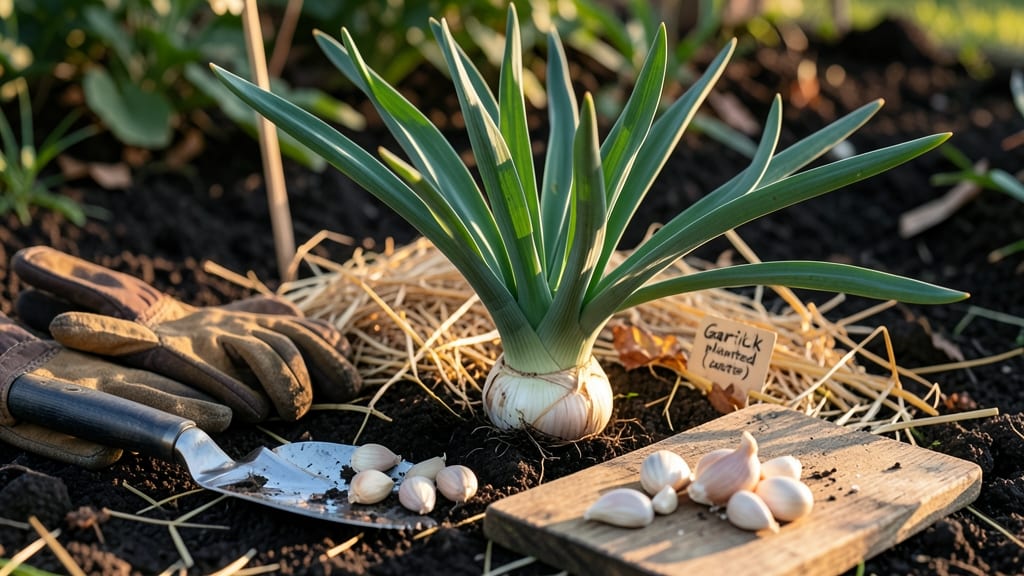
Planting garlic in Wisconsin at the wrong time can mean the difference between a thriving crop of 🧄 hardneck bulbs and a disappointing harvest. With Wisconsin's 4b-6a climate, timing is everything—and getting it right ensures your garlic plants establish strong roots before winter sets in.
Most Wisconsin gardeners swear by fall planting, typically between mid-October and early November, when soil temperatures drop but before the ground freezes. This window gives garlic the perfect head start, allowing it to develop a robust root system before winter dormancy.
But what if you miss that window? Spring planting is still an option, though it requires careful timing to avoid late frosts.
In this guide, you'll discover the exact planting schedule for your specific Wisconsin zone, plus soil prep tips tailored to our region's unpredictable weather. Whether you're a seasoned gardener or just starting, these insights will help you grow garlic that's bigger, healthier, and ready for harvest by late June.
Ready to master Wisconsin garlic planting? Let's dive into the key steps that separate a good harvest from a great one—and why fall planting is your best bet for hardneck success.
Optimal Wisconsin garlic planting dates by hardiness zone (fall schedule)
Wisconsin’s USDA hardiness zones 3-5 create unique challenges for garlic growers, but knowing the ideal planting window can transform your harvest. Most Wisconsin gardeners plant garlic in fall—typically mid-October to early November—to give bulbs a head start before winter dormancy.
This timing ensures strong roots develop before the ground freezes, setting the stage for robust growth next spring.
For northern Wisconsin (zones 3-4), aim to plant garlic 4-6 weeks before the first hard frost, usually between October 1st and October 15th. In southern Wisconsin (zone 5), you have a slightly longer window, with October 15th to November 1st being ideal.
The key is planting when soil temperatures drop to 40-50°F—garlic cloves need this cooler soil to initiate root growth without sprouting prematurely.
Here’s how to align your planting schedule with Wisconsin’s frost dates and soil conditions:
| Hardiness Zone | Best Planting Window | Soil Temp Target | Frost Consideration |
|---|---|---|---|
| Zone 3 (Northern WI) | October 1–15 | 40–50°F | Plant before first hard frost (usually mid-October) |
| Zone 4 (Central WI) | October 10–25 | 40–50°F | Avoid planting after October 30th—risk of premature sprouting |
| Zone 5 (Southern WI) | October 15–November 1 | 45–55°F | Soil may stay workable later; monitor for early frosts |
If you miss the fall window, spring planting is possible but less ideal. Plant garlic cloves in early March (as soon as soil can be worked) to avoid the 180-day minimum growth requirement for hardneck varieties.
However, spring-planted garlic often yields smaller bulbs compared to fall-planted crops. For best results, prioritize fall planting and use hardneck varieties like 'Music' or 'German White', which thrive in Wisconsin’s climate.
One common mistake Wisconsin gardeners make is waiting too late in fall to plant, assuming the ground won’t freeze. But garlic needs 6-8 weeks of cold dormancy to form bulbs properly.
If planted after November 1st, cloves may sprout before winter, leading to weak or rotted growth. Use a soil thermometer to confirm temperatures are consistently below 50°F before planting.
For container gardening, adjust your timing slightly. Containers warm up faster, so plant 2 weeks earlier than in-ground beds. Place pots in a protected location (like a cold frame or against a south-facing wall) to extend the growing season.
Mulch heavily with straw or leaves to insulate roots during winter fluctuations.
Pro tip: Mark your garlic planting dates on a calendar and set reminders for soil prep (adding compost or aged manure) and post-planting mulching. Wisconsin’s unpredictable weather means being prepared for early snow or sudden warm spells is key to success.
🌱
Optimal Wisconsin garlic planting dates by hardiness zone (fall schedule)
Wisconsin’s USDA zones 3-5 create unique challenges for garlic growers, but the key to success lies in planting 4-6 weeks before the first hard frost.
For most of the state, this means mid-October to early November, when soil temperatures hover around 40-50°F—ideal for root establishment before winter dormancy.
Northern Wisconsin (zones 3-4) has the earliest frost dates, often by late September to mid-October, so aim to plant by late September. Southern Wisconsin (zones 4-5) can wait until early November, giving you a slightly longer window to prep your garden beds.
Here’s the breakdown by zone to ensure your garlic thrives:
| Zone | Ideal Planting Window | Soil Temp Target | First Frost Date |
|---|---|---|---|
| 3 (Northern WI) | Late September | 40-50°F | Late September |
| 4 (Central WI) | Mid-October | 40-50°F | Mid-October |
| 5 (Southern WI) | Early November | 40-50°F | Early November |
Pro tip: Use a soil thermometer to confirm temperatures are in the 40-50°F range before planting. If soil is too warm, roots won’t establish properly, and if it’s too cold, cloves may rot. Aim for that sweet spot for the best results.
Spring planting is possible but riskier—plant in early March to avoid late frosts, which can damage emerging shoots. However, fall planting is always the gold standard for hardneck garlic, the variety most Wisconsin gardeners grow.
Once planted, mulch heavily with straw or leaves to insulate bulbs through winter. This protects them from freeze-thaw cycles and ensures a strong start come spring.