
Companion Plants
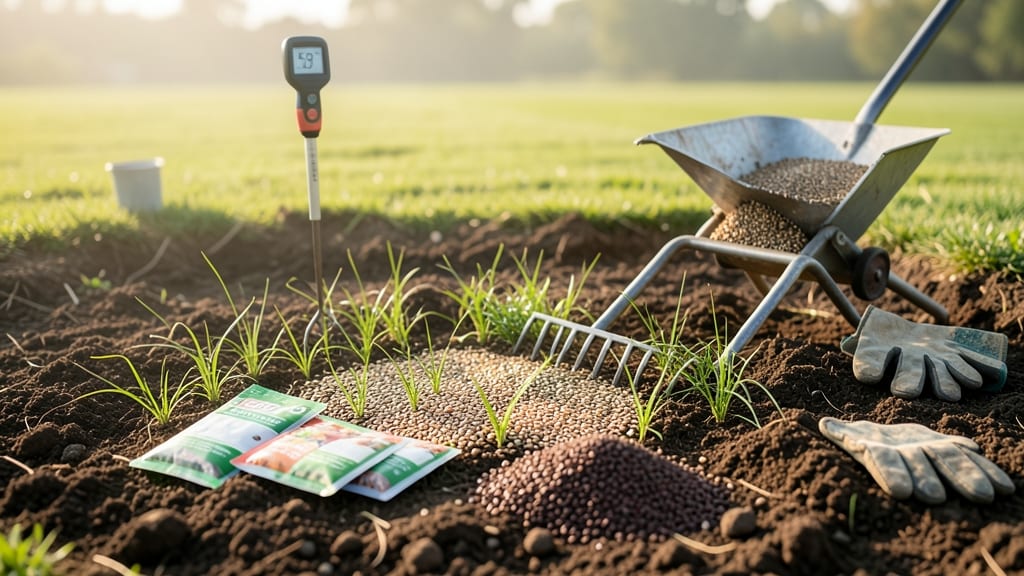
Planting grass seed at the right time in spring could mean the difference between a fast, vibrant lawn and weeks of frustration watching seeds disappear into the dirt—or worse, sprouting too late to outpace weeds.
The perfect window isn’t just about dates; it’s about soil temperatures, frost risks, and even your local climate’s quirks.
For most regions—especially USDA Zone 6a—like where I live—you’ll want to plant your 🌱 lawn grass seed 4-6 weeks before your last frost date. That usually lands in early to mid-April, but if you’re in a warmer zone, you might start earlier.
The key is waiting until the ground warms to at least 50°F, because cold soil slows germination and invites disease.
Here’s the game-changer: even if the calendar says “spring,” your lawn won’t be ready until the soil is workable and weeds are just starting to pop up.
I’ll walk you through how to spot those signs—so you can plant when your grass stands the best chance of taking off in 7-21 days, not months.
Ready to skip the guesswork? Let’s break down the exact steps to time your planting for fast germination, whether you’re dealing with cool-season fescue or heat-loving Bermuda. Your future lawn will thank you.
Spring grass seed planting timeline by USDA hardiness zones (with frost date maps)
Spring brings the perfect opportunity to grow a thick, lush lawn, but timing is everything. Planting too early risks frost damage, while waiting too long can leave your yard vulnerable to weeds.
The key lies in understanding your USDA hardiness zone and local frost patterns. Most gardeners aim to plant 4-6 weeks before the last expected frost, but this varies dramatically across regions.
For example, gardeners in Zone 3 (northern climates) like Minnesota or Montana should wait until late April or early May, while those in Zone 10 (southern climates) like Florida or Southern California can start as early as February.
Soil temperature is just as critical—ideal germination occurs when soil reaches 50-65°F.
Here’s a quick reference to help you pinpoint your planting window based on your zone. Remember, these are general guidelines—always check your local National Weather Service or USDA Plant Hardiness Map for precise frost dates.
If you’re unsure about your zone, use the USDA Interactive Map to find your exact location. Pro tip: Test your soil temperature with a soil thermometer—it’s the most accurate way to confirm readiness. Aim for consistent warmth for at least a week before planting.
Another critical factor is rainfall patterns. Regions with unpredictable spring showers may benefit from a light mulch layer to retain moisture, while drier climates might need extra irrigation. Always water deeply in the morning to prevent fungal issues.
For northern zones (3-6), focus on cool-season grasses like Kentucky Bluegrass or Tall Fescue, which germinate quickly in cooler soils. In southern zones (7-10), opt for warm-season grasses such as Bermuda or Zoysia, which handle heat better once established.
One common mistake is planting too close to the last frost date. Even if frost warnings clear, soil temperatures may still dip at night. Use a frost cloth for extra protection if needed, especially in Zone 4-6 where late frosts are common.
Finally, don’t forget to prepare your soil 2-3 weeks before planting. Remove debris, loosen the top 4 inches of soil, and add compost to improve drainage. A well-prepared seedbed ensures even germination and reduces weed competition.
With the right timing and preparation, your spring grass seed will sprout within 7-21 days, giving you a head start on summer’s heat. Keep an eye on your local weather and adjust your planting schedule accordingly—your future lawn will thank you! 🌱
5 Critical signs your lawn is ready for spring grass seed (beyond just dates)
Counting down the days until your last frost date is a great start, but the real secret to fast grass seed germination lies in your lawn’s current conditions. I’ve planted seed in April only to watch it fail because the soil was still too cold or weeds were too aggressive.
Here’s what to watch for instead of just dates.
First, check your soil temperature—it should be consistently above 50°F at a depth of 2-3 inches. Use a soil thermometer (they’re cheap!) or press your hand into the ground; if it feels warm to the touch, you’re in the clear.
Cold soil slows germination and invites fungal diseases like pythium, which can kill seedlings before they sprout.
Next, look for weed activity. When you see dandelions and crabgrass starting to pop up, that’s your cue that the soil is warming and moisture is right. Weeds are nature’s way of telling you, “The conditions are perfect for planting!”
But here’s the catch: if weeds are already thriving, your grass seed might struggle to compete. I recommend spot-treating weeds with a vinegar-based herbicide (safe for new seedlings) a week before planting.
- 🌡️ Soil temp above 50°F (test with thermometer or hand)
- 🌱 Weeds like dandelions and crabgrass emerging
- 💧 Moisture consistent (soil clumps when squeezed)
- 🌿 Old grass starting to green up (if overseeding)
- ☀️ Sunlight 6+ hours daily (check with sun tracker)
Don’t ignore the moisture level of your soil. Press a handful of dirt—if it crumbles easily, it’s too dry. If it sticks together like clay, it’s too wet. You want it to hold its shape when squeezed but not drip water.
Pro tip: water your lawn 2-3 days before planting to mimic spring showers and encourage seedbed readiness.
If you’re overseeding an existing lawn, wait until you see new green shoots from last year’s grass. This tells you the roots are active and ready to support new growth.
I once planted seed over dormant brown grass in March—it just sat there until the soil warmed in May. Patience here saves you from wasted seed and money.
Finally, check your sunlight exposure. Grass needs 6-8 hours of direct sun daily to thrive. If your lawn is shaded by trees, choose shade-tolerant varieties like fine fescue.
Use a sun tracker app to confirm sunlight patterns before planting. Shady spots will slow germination and lead to thin, weak grass.
When all five signs align—warm soil, emerging weeds, ideal moisture, green shoots (if overseeding), and full sun—you’re ready to plant. Trust your lawn’s signals over the calendar, and you’ll see those first green sprouts in 7-14 days. 🌱