
Companion Plants
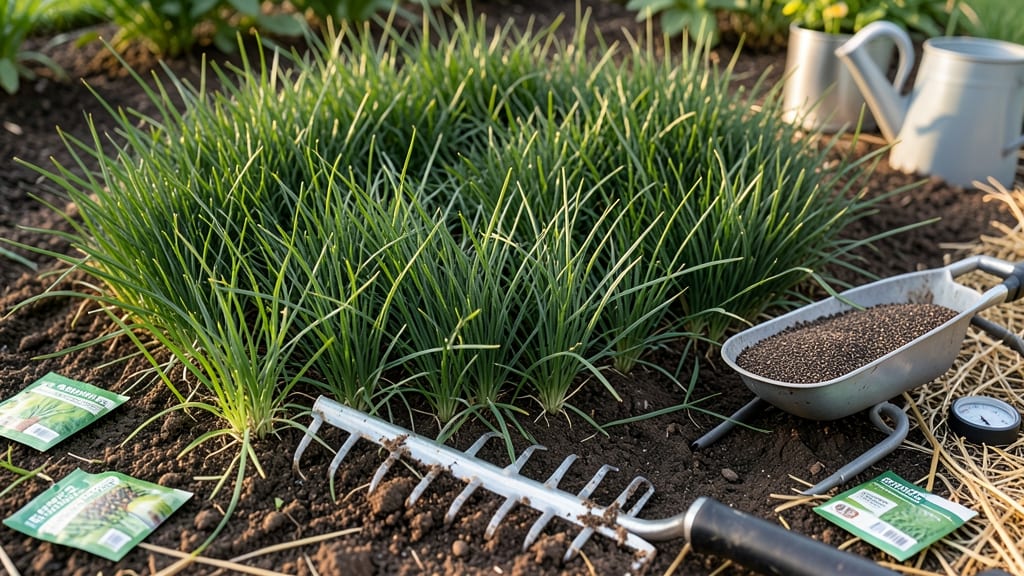
Timing your Grass (Lawn) seed planting in Michigan isn’t just about waiting for spring—it’s about beating the 5b-6b zone’s tricky frost dates and soil conditions. Plant too early, and frost will kill your tender sprouts; too late, and weeds steal the show.
The right window means the difference between a thick, green lawn and a patchy disappointment.
Most Michigan gardeners swear by two ideal planting windows: early spring, right after the last frost (usually mid-April), or early fall, before the first frost hits (around mid-October). But here’s the catch: soil temperature matters just as much as the calendar.
Grass seeds need soil that’s warmed to 50–65°F—any cooler, and germination grinds to a halt.
I’ve seen firsthand how a well-timed planting can transform a bare patch into lush turf in just 3–4 weeks. The secret? Preparing your soil properly, choosing the right seed mix for Michigan’s climate, and knowing when to water (and when to hold back).
Let’s break down the exact steps to nail your planting window—no guesswork, just results.
Whether you’re seeding a new yard or repairing thin spots, this guide will help you avoid common pitfalls like uneven germination or weed takeover. Ready to grow grass that lasts? Let’s get started.
Michigan grass seed planting deadlines by USDA zone (5-6b)
Michigan’s USDA zones 5b-6b give you two prime windows to plant grass seed: early spring (right after the last frost) and early fall (before the first frost). But timing isn’t one-size-fits-all—northern Michigan (zone 5b) has later frost dates than southern Michigan (zone 6b).
For example, Detroit (zone 6b) can plant as early as late March, while Traverse City (zone 5b) should wait until mid-April.
The key to success? Soil temperature must reach 50–65°F for seeds to germinate. Use a soil thermometer to check—if it’s cooler, wait. I’ve learned the hard way that planting too early in chilly soil leads to slow, uneven germination or worse, seed rot.
Fall planting is equally critical: aim for 6–8 weeks before the first frost to give grass time to establish roots before winter.
Here’s the breakdown: Northern Michigan (zone 5b) has a shorter growing season, so focus on late April to early May or early September to mid-October. Southern Michigan (zone 6b) can start earlier—mid-March to early April or late August to early October.
These windows maximize growth while avoiding frost damage or weed competition.
Microclimates complicate things further. Urban areas like Detroit or Grand Rapids often warm up faster than rural zones, while Upper Peninsula regions stay colder longer. To adjust, check local Almanac frost dates and add 1–2 weeks of buffer time.
For example, if your area’s last frost is April 15, plant no earlier than April 25 to avoid frost damage.
Pro tip: Seed mix matters. Cool-season grasses like Kentucky bluegrass and tall fescue thrive in Michigan’s climate. For northern zones, opt for fine fescue blends, which handle cooler soils better.
Southern zones can tolerate perennial ryegrass for faster germination. Always choose a mix labeled for your USDA zone.
Once you’ve picked your window, prep your soil by removing debris and tilling to a depth of 2–3 inches. This ensures good seed-to-soil contact, which is critical for uniform germination.
After planting, keep the soil moist (not soggy) with daily watering for the first 2 weeks. A light layer of straw mulch helps retain moisture and protect seeds from drying out.
Fall planting has a secret advantage: cooler temperatures reduce weed competition and pests like chinch bugs. Grass seeds sown in September have time to establish roots before winter, giving them a head start in spring. Just avoid planting if frost is forecasted within 2 weeks—new grass won’t survive freezing.
Remember, Michigan’s weather is unpredictable. If you miss the ideal window, don’t panic—late spring or early fall plantings can still work, but expect slower growth. The goal is to give your grass 4–6 weeks of warm soil before dormancy or extreme heat sets in.
For extra peace of mind, test your soil’s pH (ideal: 6.0–7.0) and amend with lime if needed. A healthy soil foundation means faster germination and stronger turf. With the right timing and care, you’ll have a thick, green lawn that outcompetes weeds all season.
Michigan grass seed planting deadlines by USDA zone (5-6b)
Michigan’s USDA zones 5b-6b create two distinct planting windows for grass seed: early spring and early fall. Each offers unique advantages—spring gives you a head start for summer’s heat, while fall establishes roots before winter’s chill.
But timing is everything: plant too early, and frost will kill tender sprouts; too late, and weeds will outcompete your grass.
Most Michigan gardeners target mid-April to early May for spring planting (after the last frost) and mid-September to early October for fall. However, these dates shift slightly based on your region.
Northern Michigan (zone 5b) has a shorter growing season, while southern Michigan (zone 6b) enjoys a few extra weeks. Always check your local last frost date—it’s your planting deadline.
Soil temperature is the real game-changer. Grass seeds need soil that’s warmed to 50–65°F for consistent germination. Use a soil thermometer to confirm—if it’s cooler, wait a week or two. In Michigan, this typically means waiting until late April for spring or early September for fall.
Pro tip: Early fall plantings often yield better results because cooler temps reduce weed pressure and drought stress.
| Season | Ideal Planting Window | Soil Temp Requirement | Key Consideration |
|---|---|---|---|
| Spring | Mid-April to early May | 50–65°F | Avoid late frosts; water deeply |
| Fall | Mid-September to early October | 50–65°F | Cooler temps reduce weeds; roots harden for winter |
| Northern MI (Zone 5b) | Late April to early June | 50–60°F | Shorter season; prioritize fall |
| Southern MI (Zone 6b) | Early April to late May | 55–65°F | Longer season; spring or fall work |
Microclimates add another layer to Michigan’s planting puzzle. Urban areas like Detroit (zone 6b) often warm up faster than rural spots, while the Upper Peninsula’s zone 5b regions demand extra caution.
If you’re unsure, err on the side of waiting—cool-season grasses like Kentucky bluegrass and tall fescue can handle Michigan’s chill, but they won’t germinate in cold soil.
Once you’ve nailed the timing, prep your soil like a pro: rake out debris, loosen the top 2–3 inches, and level the surface. A thin layer of compost blends into the soil for nutrients, while a light mulch of straw holds moisture without smothering seeds.
Water gently but consistently—1 inch per week—until germination (about 10–21 days). Avoid walking on new seedlings until they’re 2–3 inches tall.
Remember, Michigan’s weather is unpredictable. If a late frost or drought threatens, don’t hesitate to reseed bare spots later in the season. Patience and preparation pay off with a lawn that’s the envy of the neighborhood. Ready to dig in? Grab your seeds and let’s get growing!